I am a level 1 autistic person and a tourism professional: what is it like to travel on the autism spectrum?
💙 On April 2nd, World Autism Awareness Day, I want to invite you to go beyond definitions and understand a little more about the real experience.
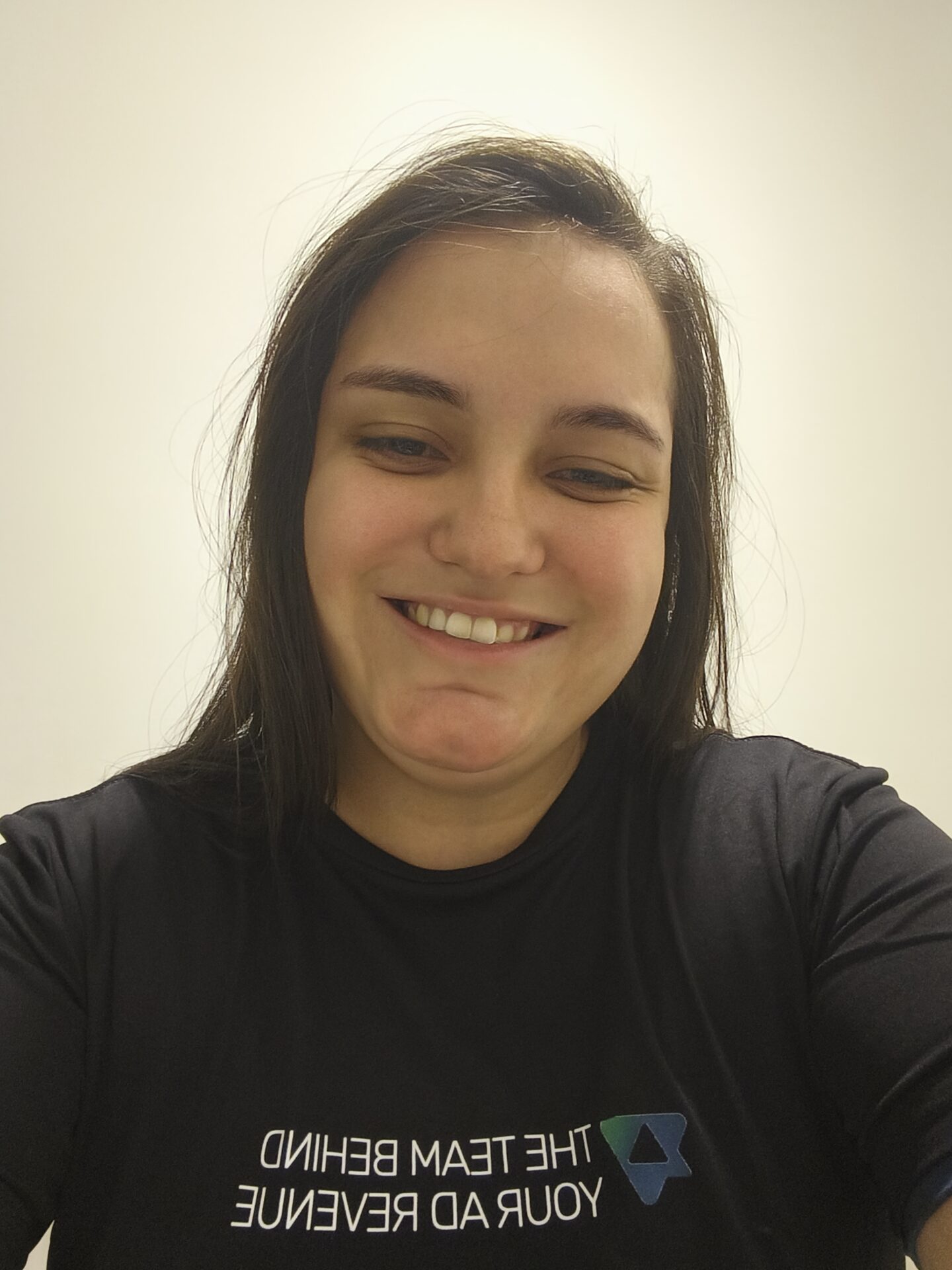
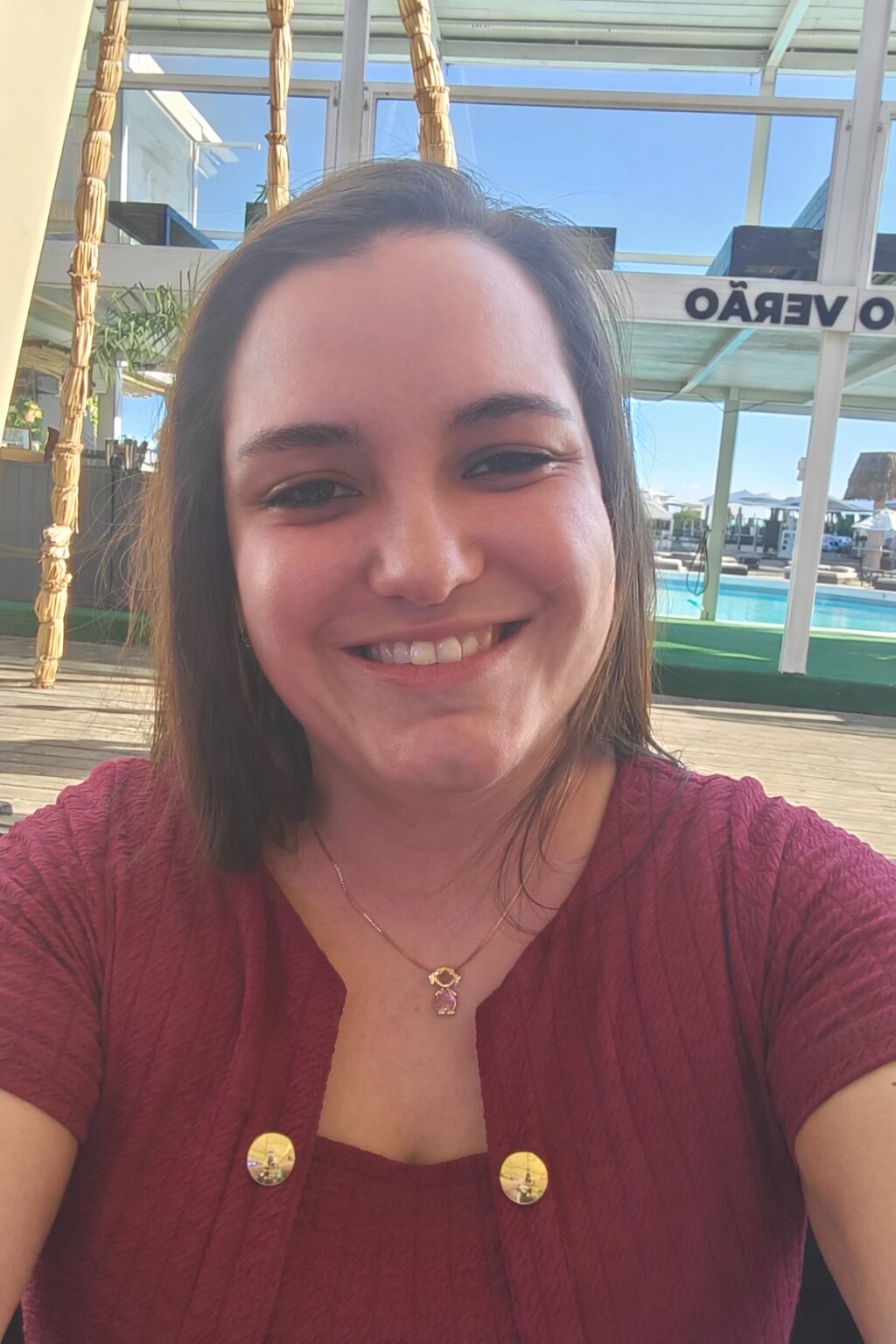
I am a level 1 autistic person and I am also a tourism professional ✈️
And these two parts of me completely shape how I see the world, people, and especially travel.
For many people, traveling is synonymous with rest, leisure, and happy moments. But for an autistic person, traveling can also mean dealing with invisible challenges.
And that's what I want to talk about today.
🌎 The world isn't always comfortable for an autistic person.
Noise. Bright light. Crowded environments. Changes in routine. Many people talking at the same time.
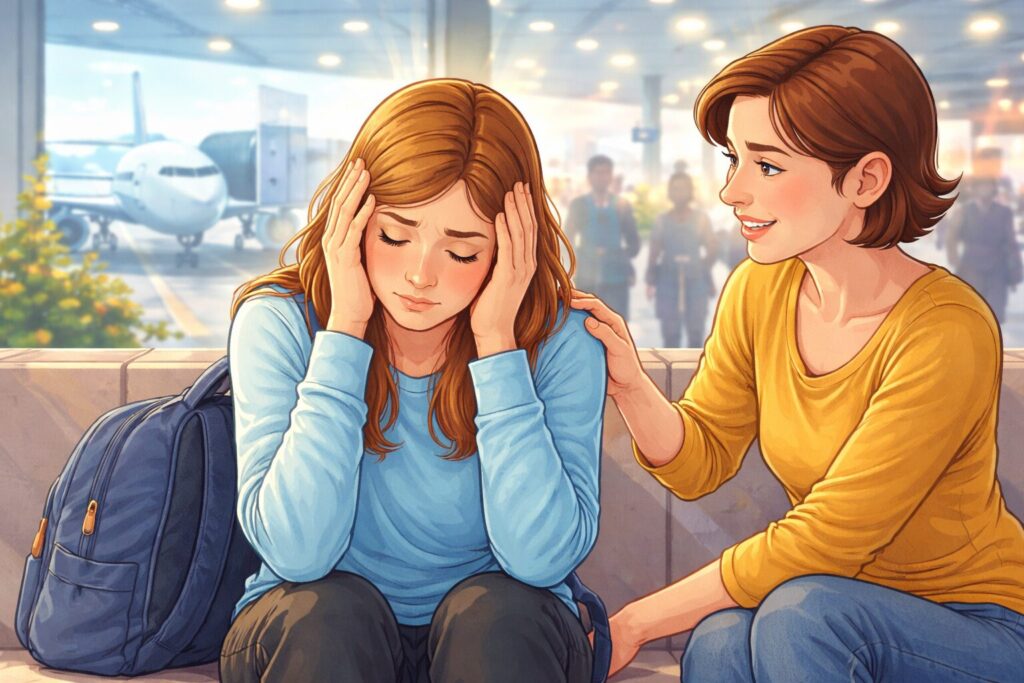
These elements are part of everyday life on any trip. But, for an autistic person, they can represent something much bigger: sensory overload.
Being autistic level 1 doesn't mean having "few difficulties." It often means experiencing challenges that aren't visible to others.
From the outside, everything may seem fine. But inside, there may be a constant struggle to:
- Process stimuli
- Controlling reactions
- Maintaining social interactions
- Dealing with anxiety and fatigue
🧠 And this effort is real, even when no one notices.
⚡ What is sensory overload?
Sensory overload occurs when the brain receives more stimuli than it can comfortably process.
When traveling, this can easily happen:
- Airports are full.
- Long lines
- Loud music at attractions
- Bright lights
- Unpredictable environments
For some people, this is just "part of the experience".
For an autistic person, this can be extremely exhausting 😓
Sometimes this manifests as tiredness. Other times, as anxiety. And in some cases, it can lead to the need to step away and take a break.
😴 Social fatigue also exists.
Another very important point — and one that is rarely discussed — is social fatigue.
Interacting all the time, maintaining conversations, being present in environments with many people... all of this requires energy.
And for autistic people, this expense can be even greater.
This does not mean lack of interest or dislike.
It simply means that the brain is working harder to sustain that interaction.
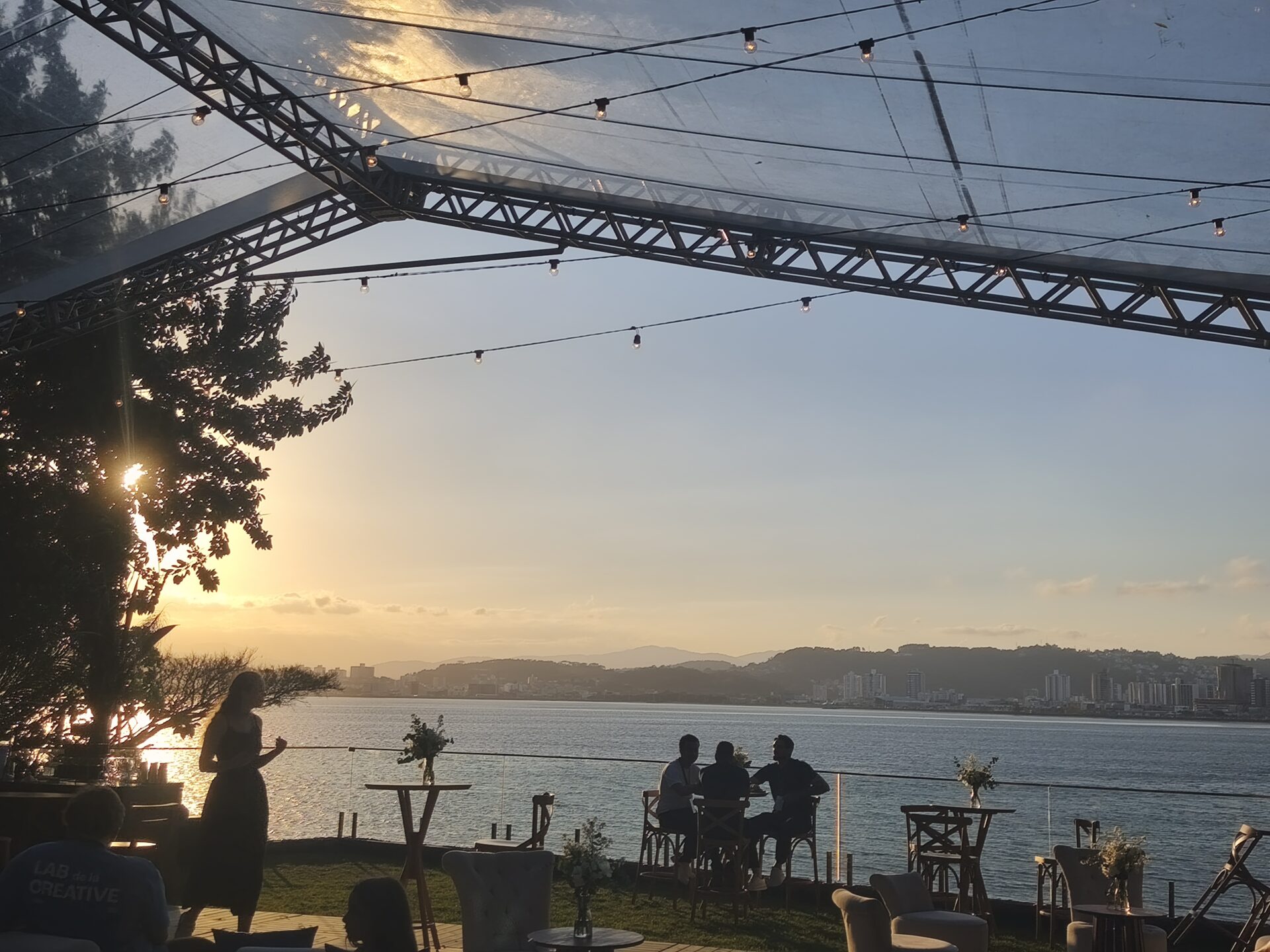
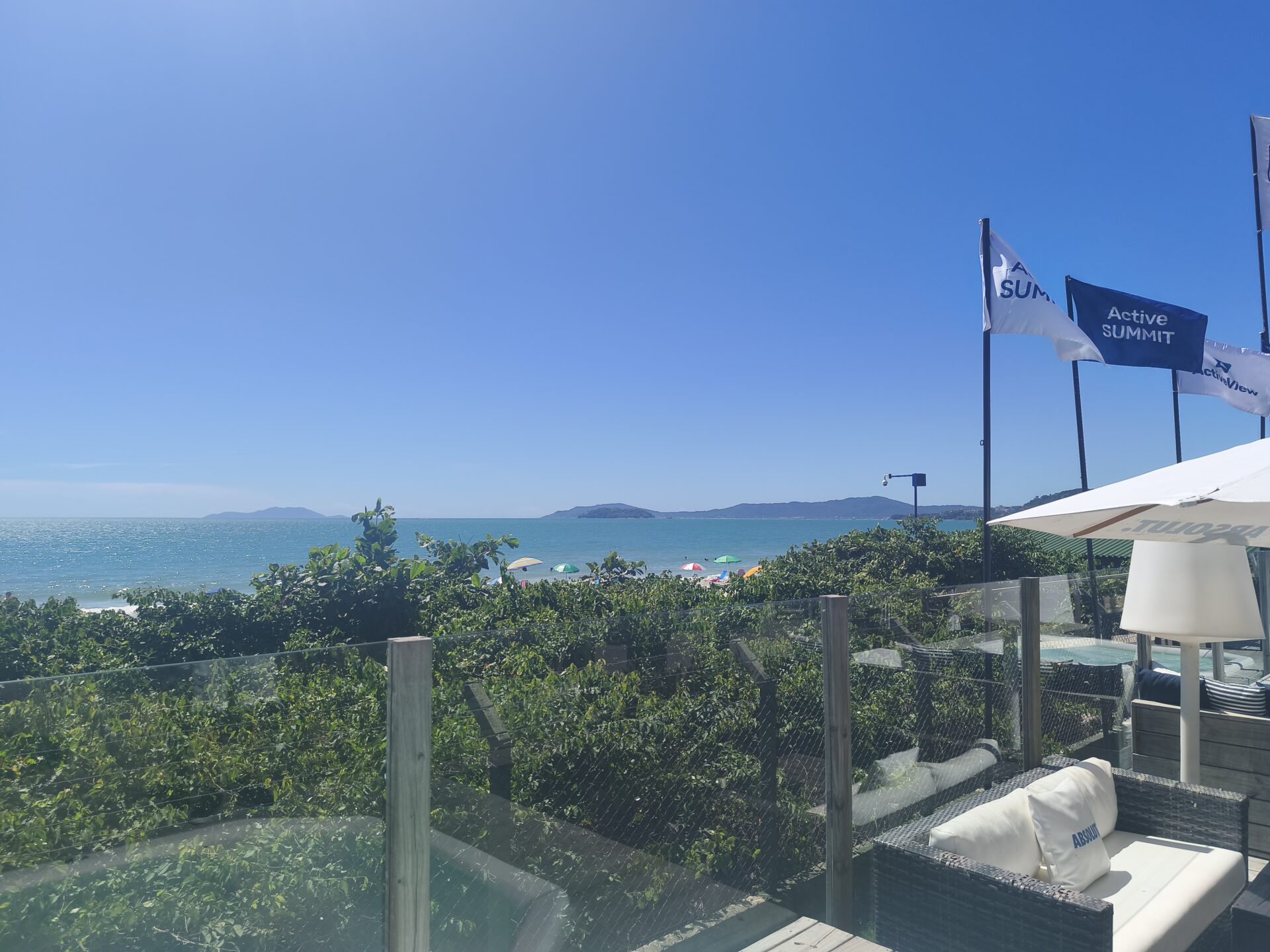
✈️ My recent experience traveling for work
Recently, I had an experience that reinforced all of this even further.
I traveled for work to attend a company event.
It was an important moment, full of learning and connections. But it was also a situation with many stimuli:
- busy environment
- Many social interactions
- Few moments of pause
At times, I felt social fatigue setting in.
I needed to breathe, reorganize myself internally, and respect my limits.
💙 And this is where something made all the difference:
I was welcomed and understood.
The people around me were respectful and sensitive during those moments.
And that completely changes the experience.
🤝 Empathy changes everything
Often, inclusion doesn't require major adaptations.
You need something much simpler — and much more powerful:
- Respect
- Understanding
- Listening
- Less judgment
When empathy exists, the experience of an autistic person is transformed.
The environment ceases to be merely "tolerable" and becomes welcoming.
🧭 Why did I choose tourism?
It may seem contradictory that an autistic person would choose tourism as a field of work.
But, to me, it makes perfect sense.
Because I don't just see destinations. I see experiences.
And, more than that, I think about how these experiences can be lived by different people.
I observe details such as:
- If the environment is accessible
- If there is an excess of stimuli
- If there is organization and predictability
- If the space accommodates different profiles
🌱 For me, tourism needs to be inclusive.
It needs to be designed for everyone.
Traveling as an autistic person is different — and that's okay.
Traveling as an autistic person doesn't mean not traveling.
It means traveling in a different way.
And this involves:
- Planning
- Respect your own pace.
- Take breaks when necessary.
- Conscious choices
It's not always about doing everything.
Sometimes, it's about doing what makes sense — and that's okay 💙
👀 Autism doesn't have a face.
One of the biggest challenges remains the lack of understanding about the spectrum.
Many people expect to see "visible" signs to recognize autism.
But autism doesn't have just one appearance.
In the case of level 1 autism, this is even more challenging.
Because often the person seems to "be fine".
But what seems easy may actually require constant effort.
🌍 The purpose of Autistando pelo Mundo
Autistando pelo Mundo was born with a clear purpose:
💙 To show that traveling as an autistic person is possible 💙 To share real experiences 💙 To encourage more inclusive tourism
Here, each piece of content carries an intention:
To make tourism more human, more accessible, and more conscious.
💙 A message for April 2nd
If I could leave one message today, it would be this:
Autism is not what you see. It's what a person lives every day.
And when there is empathy, everything changes.
At work. While traveling. In life.
More empathy. More understanding. More inclusion.
💙
📣 Share your inclusion experience!
Have you had a positive accessibility experience at a park, hotel, restaurant, or other location? Your story could help other families plan more inclusive trips.
Send your report and it may appear here on the website, in our section Reviews or General Tips!
Don't miss any tips!
Sign up and receive our inclusive tourism experiences directly to your email.
Want to make tourism more inclusive?
We are open to partnerships with accessible spaces, inclusive inns and projects that value diversity.
Get in touch and let's talk!