
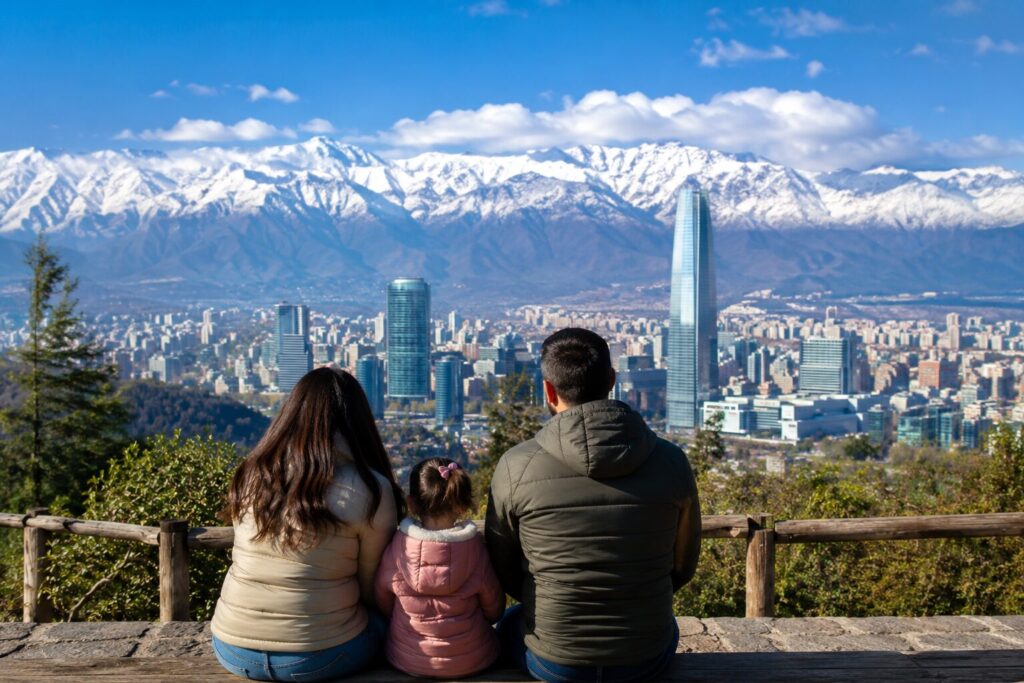
🇨🇱 Our experience in Chile: is it worth traveling to Santiago as a family?
Traveling to Chile was something we had wanted to do for quite some time. Like many Brazilian families, we had that classic image of the country: snow, the Andes Mountains, cozy cafes, beautiful landscapes, and an international experience relatively similar to Brazil.
But here at Autistando pelo Mundo (Autistic Around the World), we like to share real experiences, not just the "Instagrammable" version of travels.
So let's be honest: we don't hate Chile, but we didn't come back in love with the destination either.
We had some great moments, visited beautiful places, and managed to relax a bit, but we also felt that several aspects of the trip ended up weighing heavily on us.
And perhaps the main conclusion was this: Chile seems to make much more sense when the trip revolves around snow.
❄️ Chile seems much more interesting in winter.
That was a feeling we had for practically the entire trip.
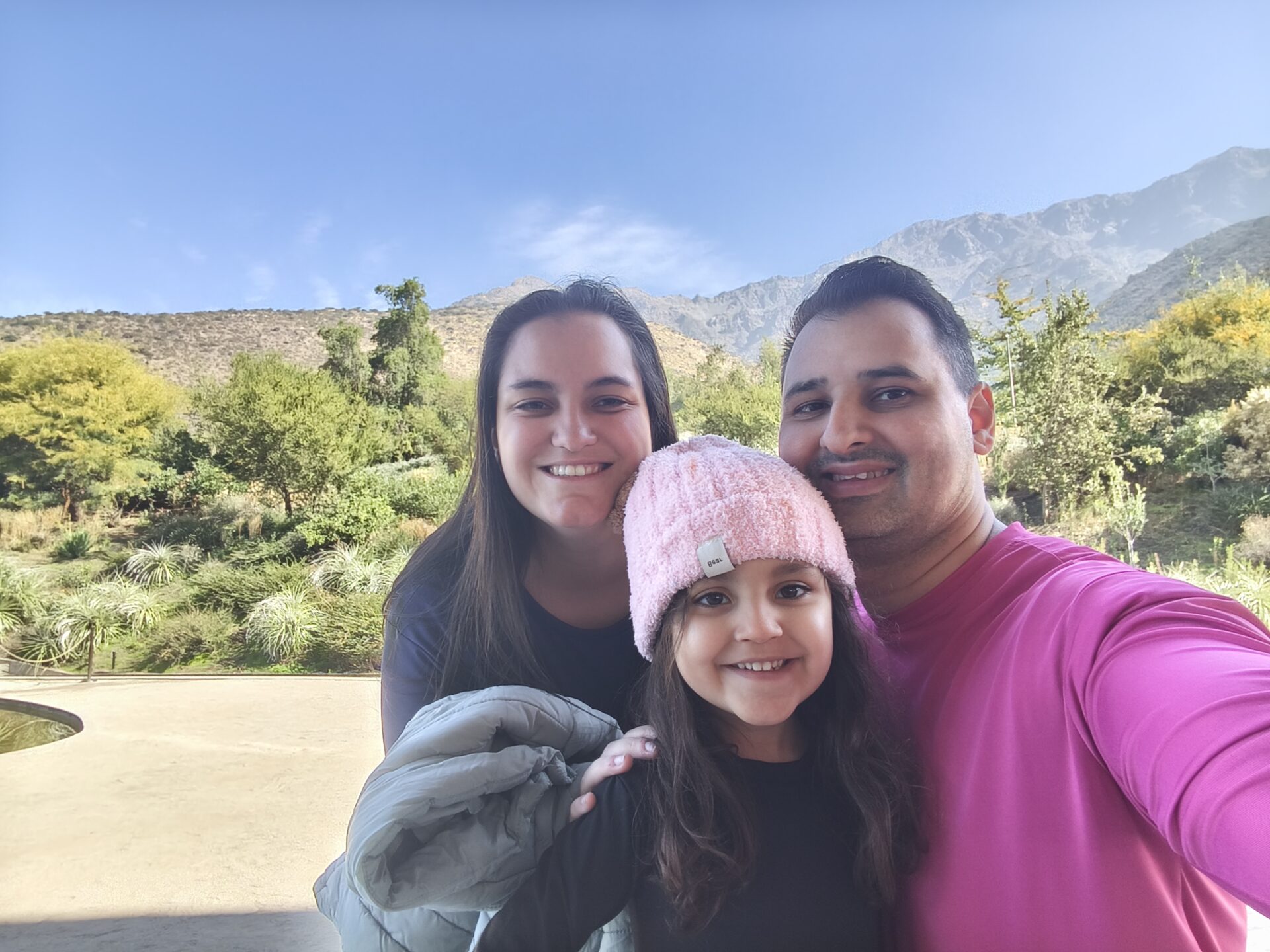
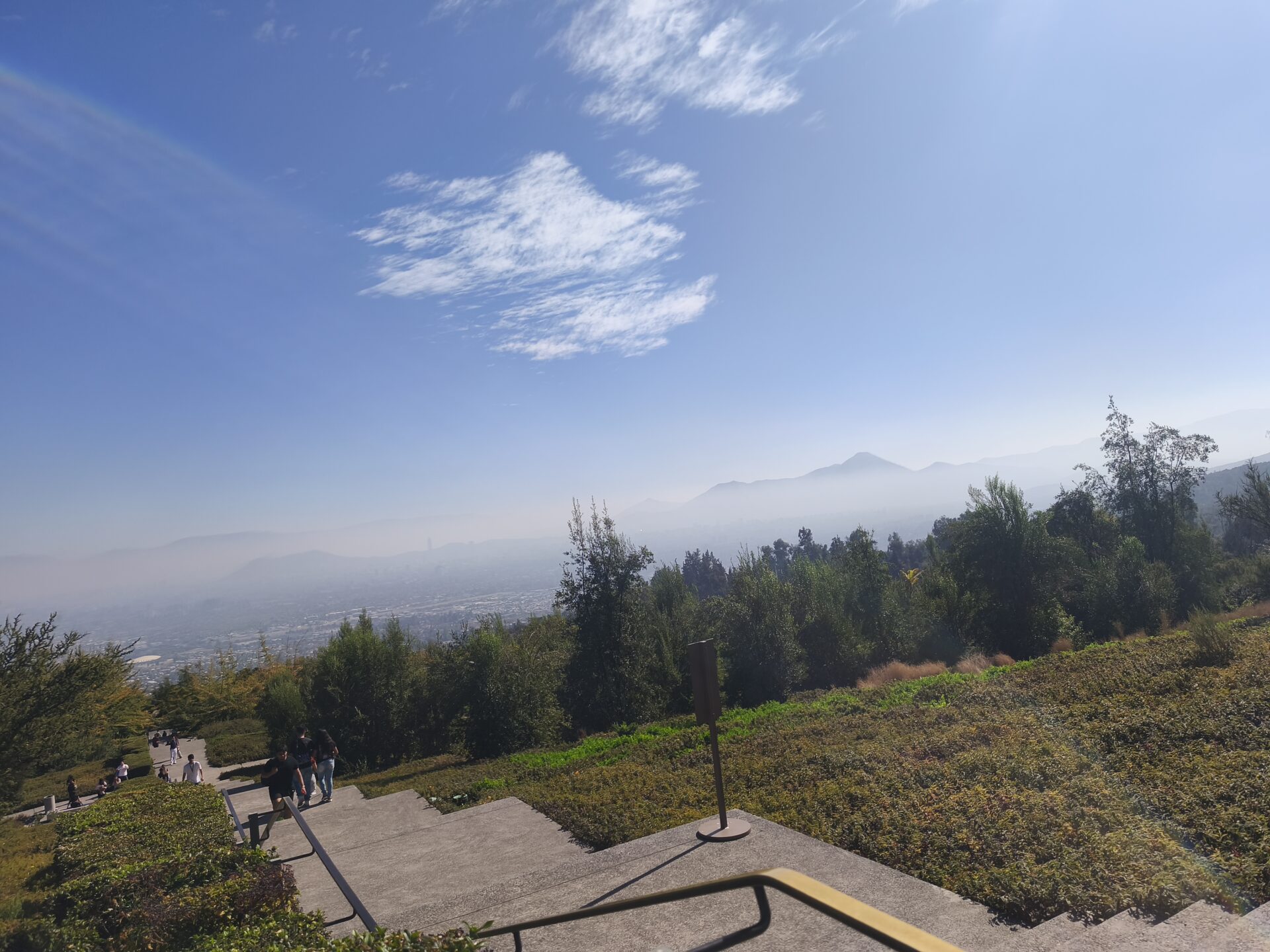
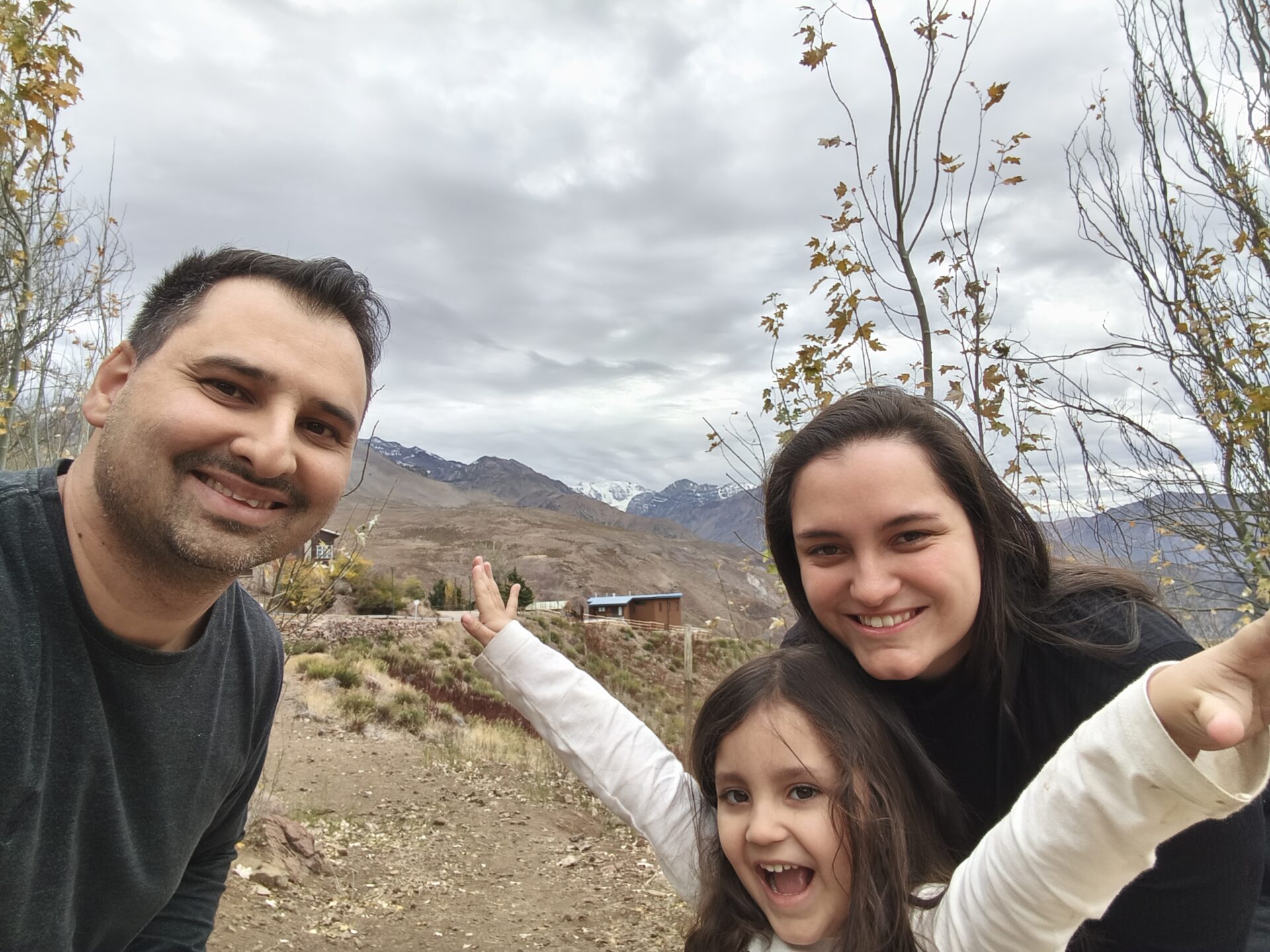
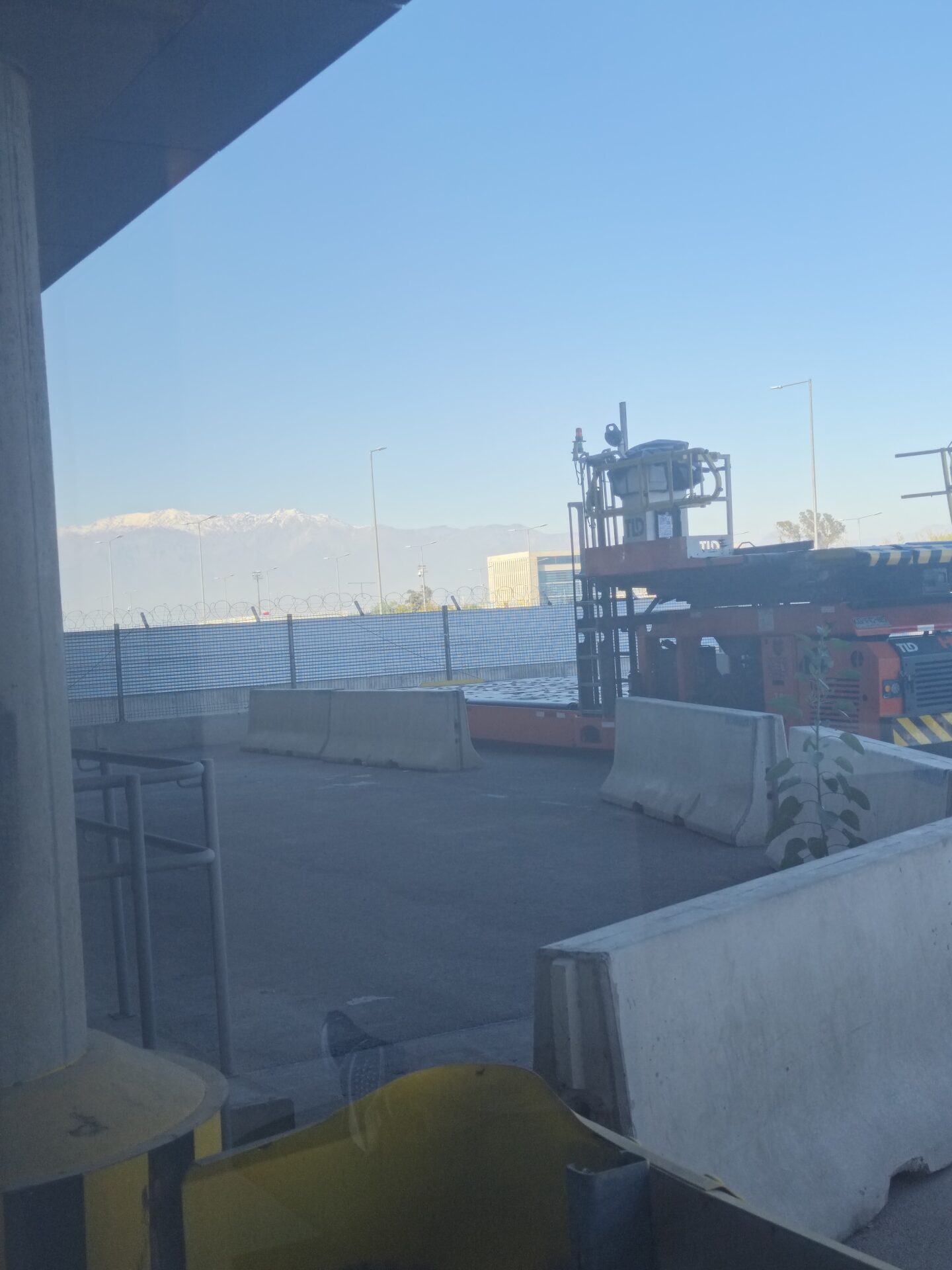
Of course, Santiago is beautiful, well-organized in some areas, and has great city tours. Seeing the Andes Mountains in the background is truly impressive at times.
But honestly? We were left with the feeling that something was missing.
Perhaps this happens because a large part of Chile's tourist identity is linked precisely to winter, snowy mountains, and snow experiences.
Since we went during a period without heavy snowfall, it felt like we were only seeing a part of the complete experience.
So today we would probably say: Chile seems much more worthwhile when the main focus is really on winter and snow.
💸 We found Chile to be an expensive destination.
Another point that drew a lot of attention was the cost of the trip.
Chile seemed expensive to us in practically every aspect: food, groceries, gasoline, attractions, parking, and even small daily expenses.
And when you travel as a family, this is even more of a burden.
It's not just the cost of a meal. It includes snacks, water, transportation, breaks, comfort, travel, and unexpected expenses.
For neurodivergent families, this can become even more delicate, because we often need to prioritize comfort and predictability instead of simply choosing the cheapest option.
So we realized that Chile requires more careful financial planning than we initially imagined.
💸 The cost ended up impacting even our itinerary.
One important thing to mention is that we ended up doing fewer activities than we had initially planned.
And it wasn't for lack of interest.
The main reason was the cost.
We had the feeling that practically everything involved a high cost.
We even visited a public park where you had to pay to use the restroom.
This ended up creating that constant feeling that everything had an extra cost.
One example was Buin Zoo, the zoo we visited.
Converting to Brazilian reais, the tickets for the three of us came to around... R$300.
The zoo is beautiful and well-organized, but this kind of cost is quite significant when added to all the other expenses of the trip.
We also had attractions that were planned, but we ended up cancelling them.
One example was the famous Sky Costanera viewpoint.
We wanted to visit, but honestly, we thought it was expensive for the type of experience offered.
And there's another important detail: in Chile, we don't experience that strong culture of installment payments that exists in Brazil.
Here in Brazil, we can often pay for tickets, accommodations, or larger purchases in installments without feeling such an immediate impact on our budget.
In Chile, the feeling was that everything needed to be paid for practically "on the spot," and that weighs heavily psychologically during the trip.
⛽ Expensive gasoline and many automatic tolls
We rented a car during the trip because we like the freedom it gives us, especially when traveling as a family.
Being able to adjust schedules, take breaks, and change the itinerary greatly enhances the comfort of the experience.
However, driving in Chile also brought up some important points to consider.
First: the gasoline seemed expensive to us.
Depending on how much the family plans to drive, this has a significant impact on the final budget.
Second: automatic tolls.
Santiago has many roads with a TAG system, which works automatically.
For those renting a car, this can cause a lot of confusion at the beginning of the trip.
It's important to ask the rental company everything you need to know:
- 🚗 How does TAG work?
- 💳 How tolls will be charged;
- 📄 If there are any extra administrative fees;
- ⚠️ If there will be a subsequent charge to the card.
This type of detail may seem small before the trip, but it can turn into an unpleasant surprise afterward.
🏡 We're staying in Las Condes
During our stay we chose to stay in Las Condes, a highly recommended neighborhood for tourists in Santiago.
And honestly, we really liked the region.
We found it beautiful, organized, modern, and with a greater sense of security compared to other areas of the city.
For neurodivergent families and individuals, this makes a significant difference.
Having nearby markets, quieter streets, and a sense of security greatly enhances the travel experience.
However, we also felt that this significantly increased the cost of accommodation.
In fact, finding really good accommodation on Booking was more difficult than we imagined.
Many options had strange reviews or started asking for upfront payment outside of the platform.
This made us uncomfortable, because this type of practice can create opportunities for scams.
So here's an important tip: be very careful with accommodations that try to take the negotiation out of Booking.com.
Always read recent reviews and be wary of upfront external charges.
🧩 My experience as an autistic adult traveling
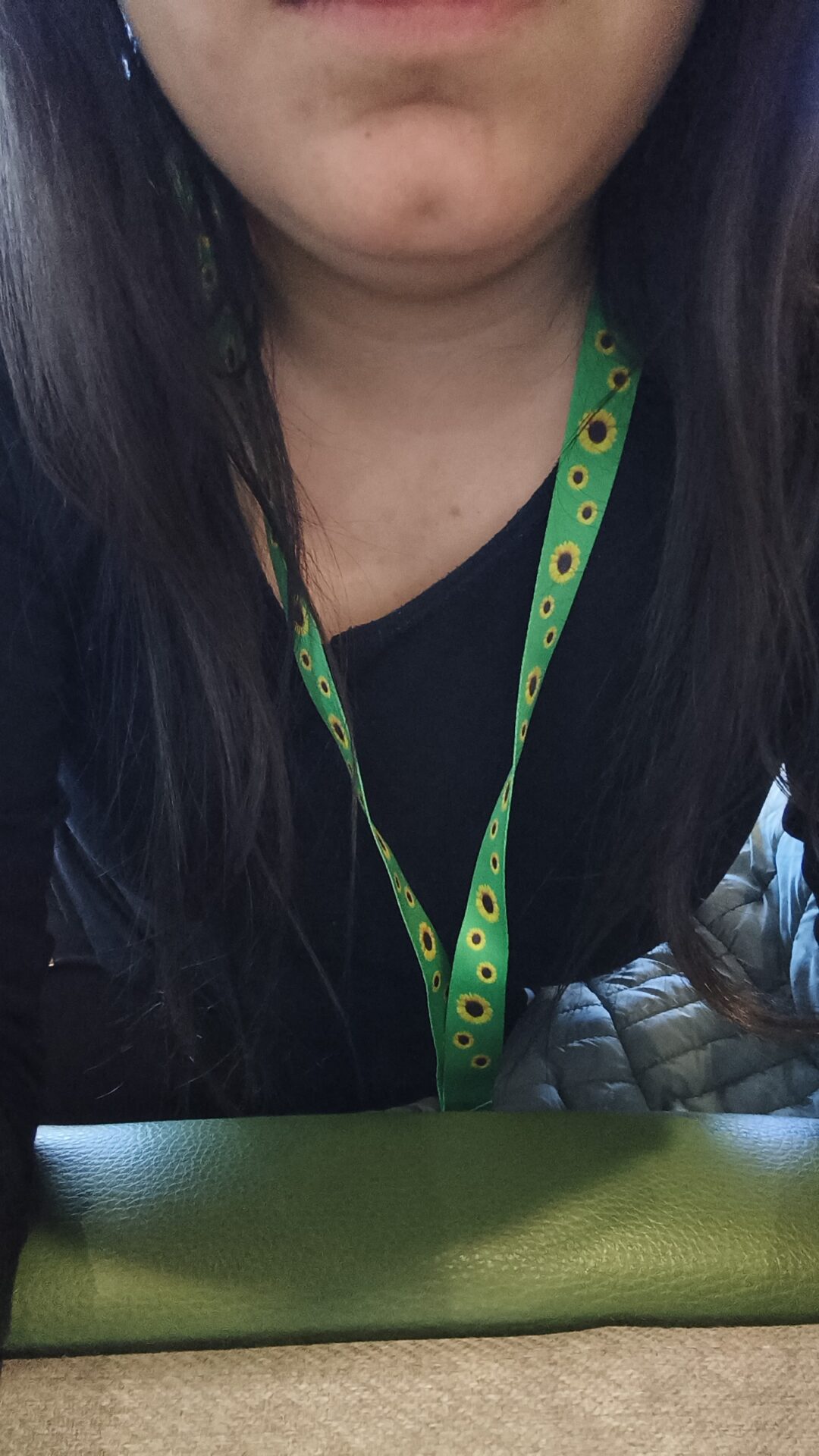
One important thing to mention is that I, Vitória, am the one who is autistic.
And traveling as an autistic adult significantly changes how we perceive certain destinations.
Changes in routine, excessive stimuli, queues, traffic, a different language, and financial worries end up generating greater mental strain.
Then we realized how much details like comfortable accommodation, a quiet neighborhood, and a less rushed itinerary made a difference to our well-being during the trip.
We also think it's important not to overload the itinerary by trying to "see everything in sight".
In expensive destinations, there's that psychological pressure of trying to do a thousand activities to recoup the investment, but this can turn the trip into something exhausting.
✈️ Our experience with LATAM flights
Another point we felt was important to share was the flight experience.
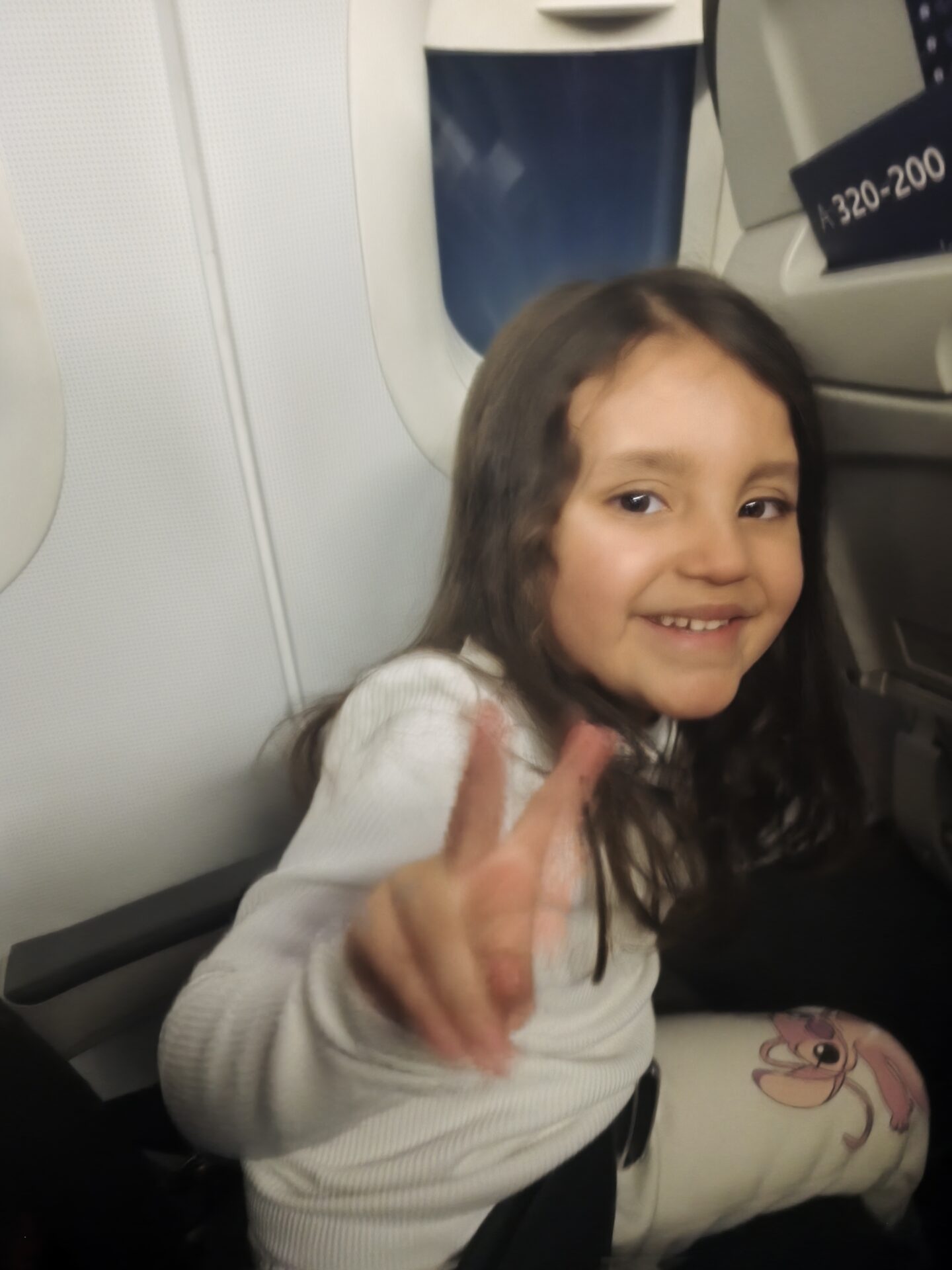
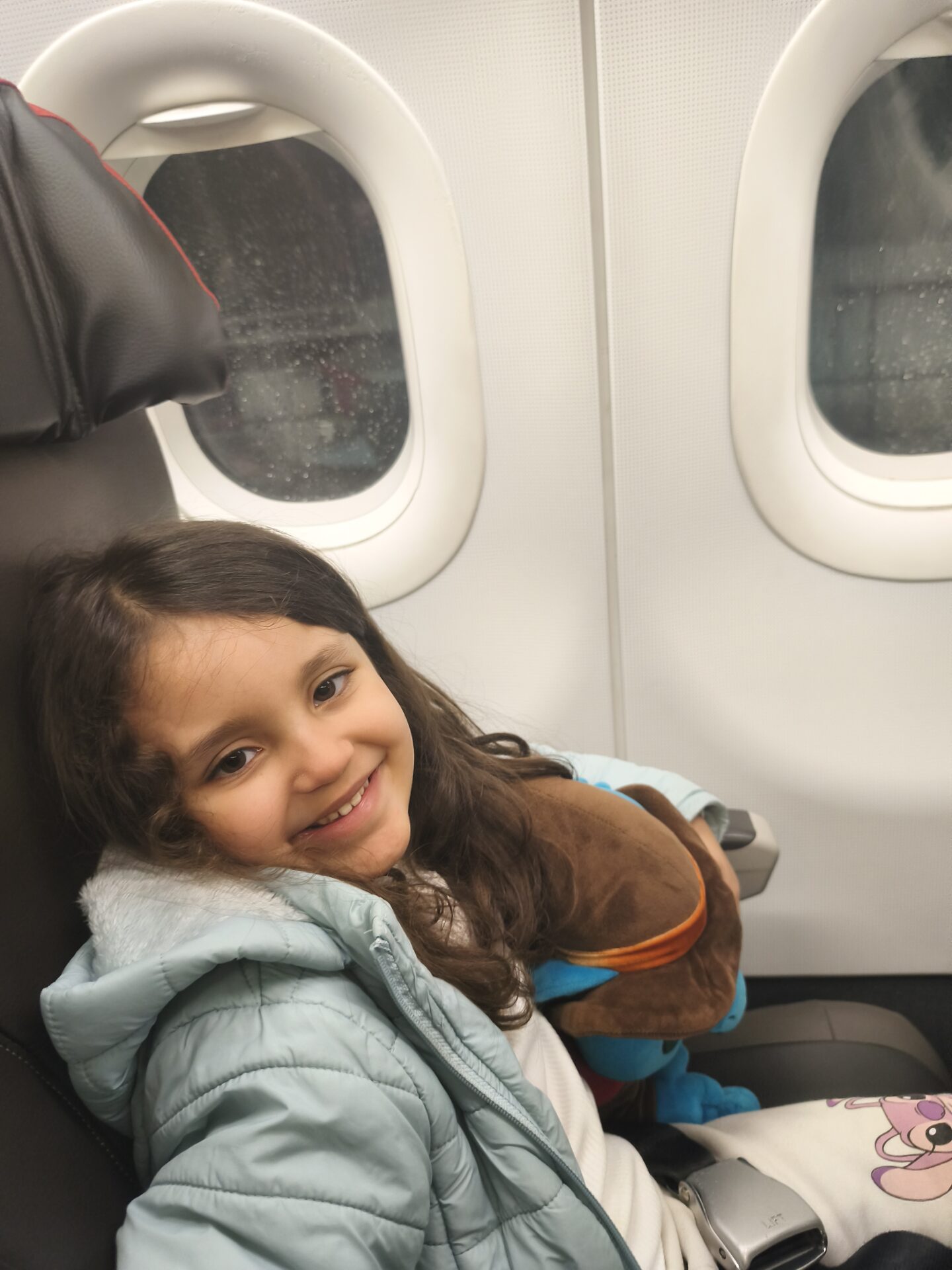
Our trip was a direct LATAM flight from Porto Alegre to Santiago.
The flight was over 3 hours long, but honestly, we were somewhat negatively surprised by the aircraft's structure.
It was a simple, single-aisle plane, without individual screens, without entertainment, and with a fairly basic in-flight service.
The snack basically consisted of potato chips and a cereal bar.
And this was on a relatively long international flight, traveling with a child.
It wasn't a serious problem, but it fell short of the expectations we usually have when we think about an international flight.
On the way back we had a different experience.
We flew the Santiago → Guarulhos leg in a larger aircraft, with two aisles and much more comfort.
On that flight we had a blanket, a pillow, and a simple meal.
However, on the Guarulhos → Porto Alegre leg, we returned to a more basic experience, similar to the outbound trip.
So it's interesting to comment on this because we often imagine that every international flight will have a "premium" experience, and that's not always the case — especially on shorter flights within South America.
🏙️ Santiago is beautiful, but it hasn't become our favorite destination.
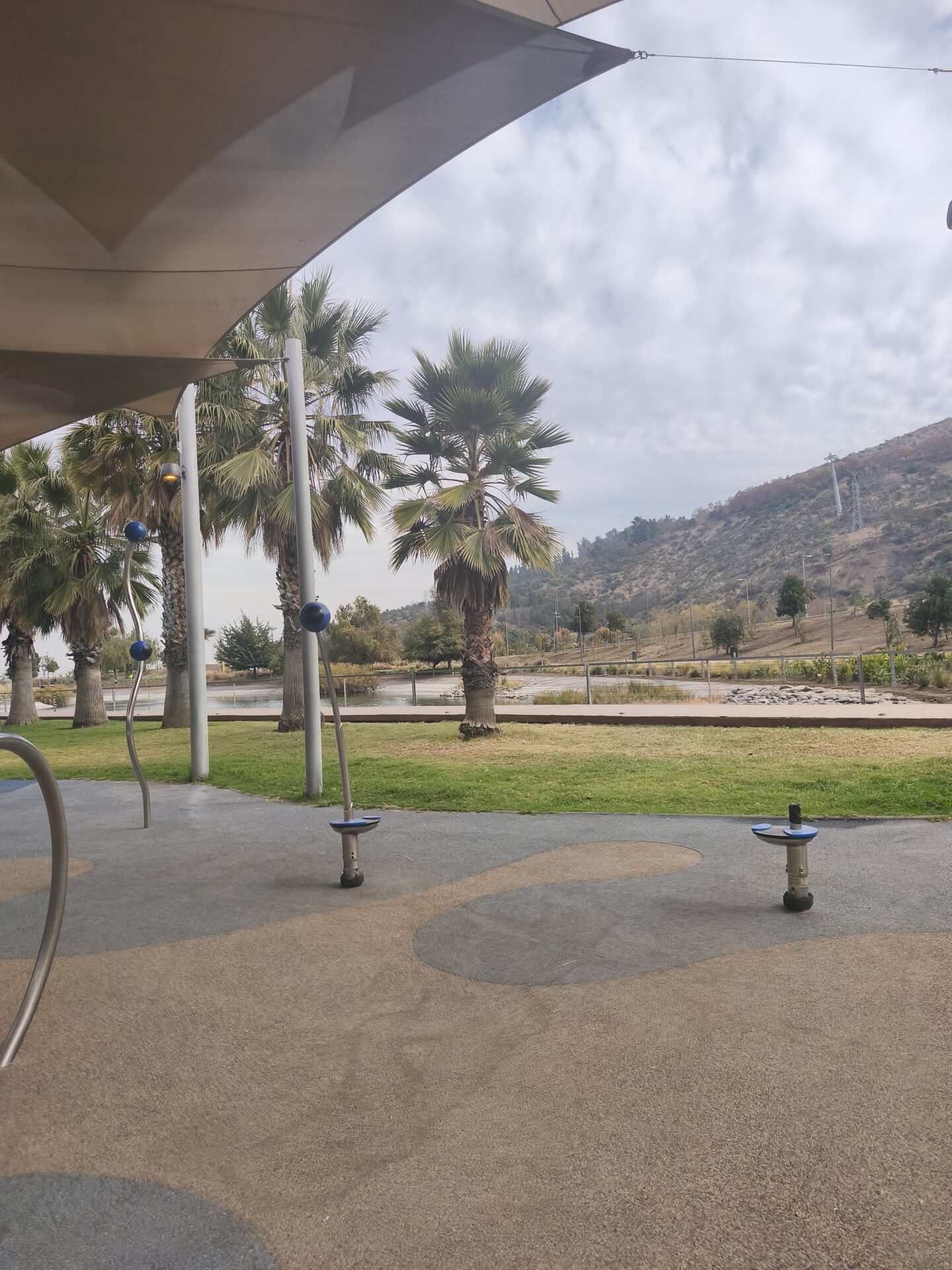
Santiago has its qualities. There are beautiful areas, good shopping malls, parks, and a relatively organized urban infrastructure.
But honestly, it wasn't a city that deeply charmed us.
Perhaps it was the anticipation, perhaps the cost of the trip, or perhaps the lack of snow.
We came back with the feeling that it was an "okay" experience, but not unforgettable.
And it's okay to say that.
Not every trip needs to be romanticized as perfect on social media.
💬 Our honest conclusion
Chile was a worthwhile experience for us, but honestly, it didn't make it onto our list of favorite destinations.
We found it expensive, felt that many costs would accrue during the trip, and got the impression that the country makes much more sense when the focus is really on snow.
This doesn't mean it's a bad destination. It just means that perhaps it didn't quite match our travel style.
And here at Autistando pelo Mundo (Autistic Around the World), we like to share real experiences because real families need real information to better plan their trips.
In upcoming posts, we'll talk more specifically about the parks, attractions, and places we visited in Chile, providing details about accessibility, comfort, infrastructure, and sensory experience.
📣 Share your inclusion experience!
Have you had a positive accessibility experience at a park, hotel, restaurant, or other location? Your story could help other families plan more inclusive trips.
Send your report and it may appear here on the website, in our section Reviews or General Tips!
Don't miss any tips!
Sign up and receive our inclusive tourism experiences directly to your email.
Want to make tourism more inclusive?
We are open to partnerships with accessible spaces, inclusive inns and projects that value diversity.
Get in touch and let's talk!