
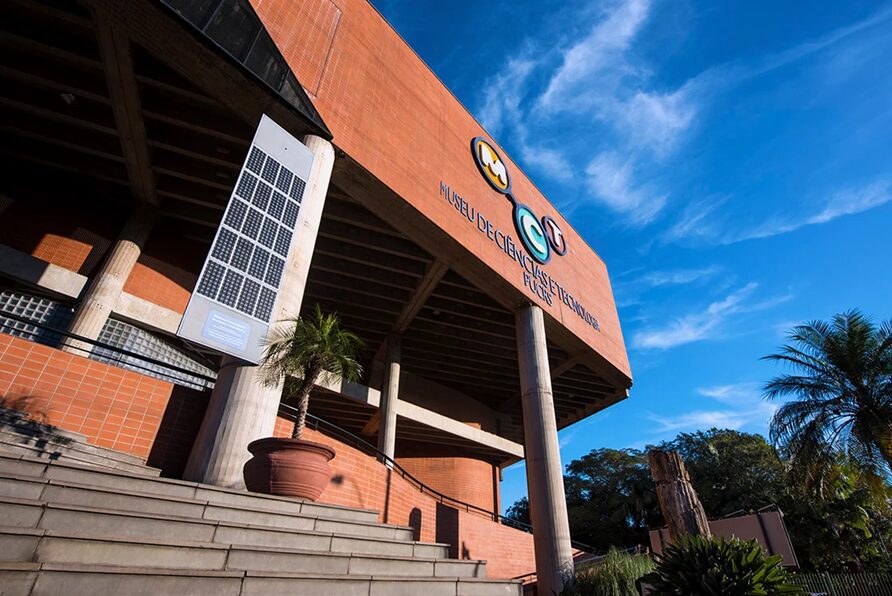
We visited the Science and Technology Museum at PUC-RS.
During our search for more accessible cultural and tourist sites for autistic people and their families, we had the opportunity to visit the PUCRS Science and Technology Museum, in Porto Alegre. The experience was very positive and highlighted several points that can help other families plan their visit with more peace of mind.
In this article, we will share our complete experience, highlighting aspects related to accessibility, inclusion, service, physical structure, and resources available for people with disabilities and neurodivergent individuals. 💙
Contact before the visit.
Our experience began even before we arrived at the museum.
From the first contact via email, the team was always very helpful and receptive. At the time we contacted them, the museum was undergoing renovations, which made it impossible to schedule the visit immediately. Even so, communication was always very cordial and transparent.
After the renovations were completed, we were finally able to schedule our visit. During the visit planning, we requested a complimentary visit for our family—my parents and my brother, who has level 3 autism—and the staff promptly granted our request.
We appreciate the attention and receptiveness shown throughout the scheduling process. This care from the very first contact demonstrated a genuine concern for welcoming visitors.
Arrival at the museum and parking.
The museum is located on the PUCRS campus in Porto Alegre, and access is relatively easy for those traveling by car.
Upon arrival, we observed several points related to accessibility that deserve highlighting.
During our time in the campus parking lot, we did not find any priority parking spaces near the museum or any specific signage that would make it easier to identify these spaces for people with disabilities.
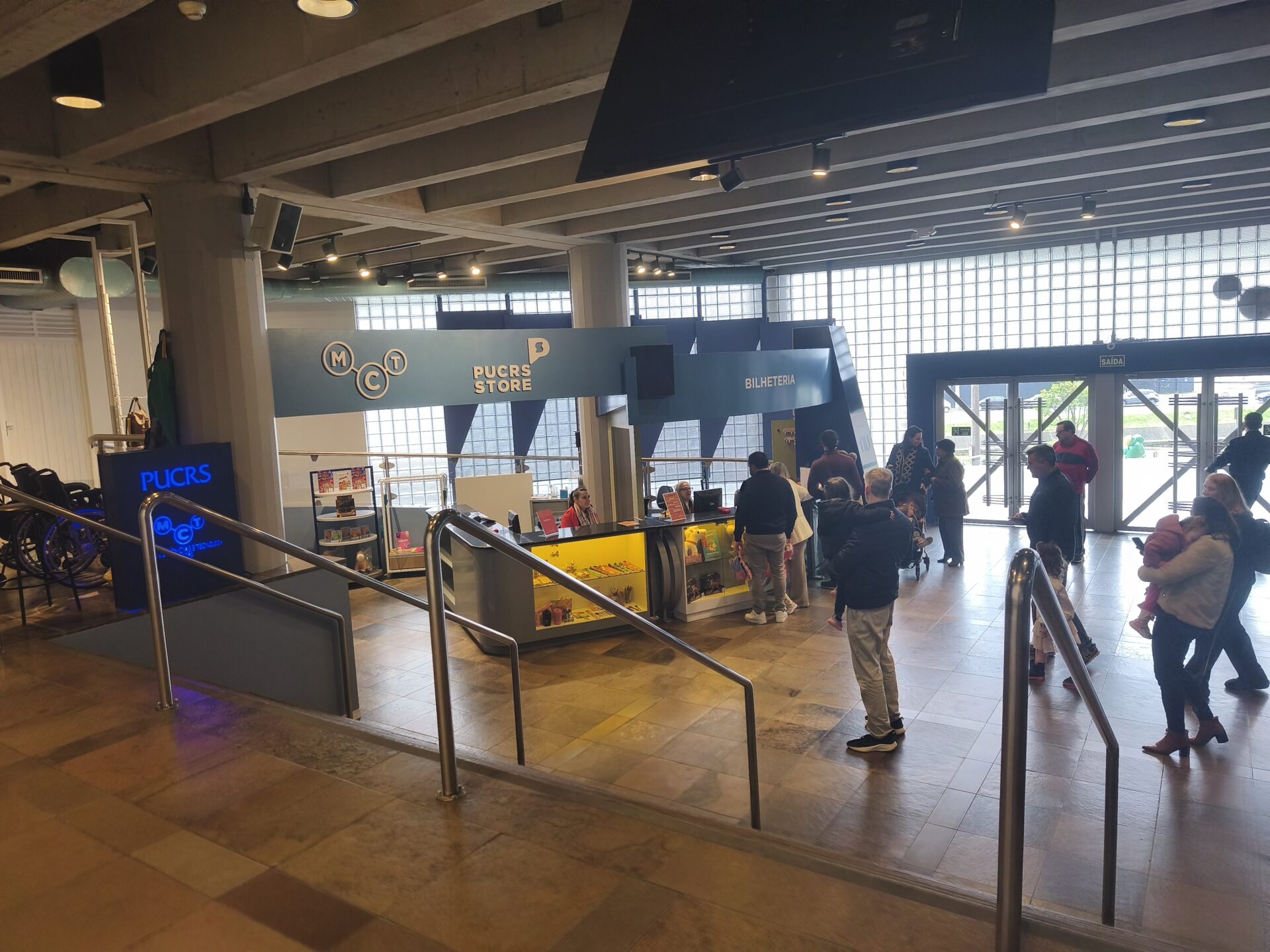
Furthermore, we did not identify any priority queue in the ticket office area.
These are details that can make a difference for some families, especially for people with reduced mobility or who have difficulty standing in lines for long periods.
Reception and welcoming
One of the highlights of the visit was, without a doubt, the service I received upon arrival.
We were greeted in an extremely cordial manner by the reception staff, who gave a brief explanation about how the museum works and about the exhibition on display.
Another positive point was the availability of noise-canceling headphones. 🎧
For many autistic people, environments with unexpected sounds or intense movement can cause sensory discomfort. Having this feature available demonstrates an important concern for different visitor profiles.
How does the visit work?
The visit to the PUCRS Museum of Science and Technology is self-guided.
This means that each visitor can explore the spaces at their own pace, choosing how long they wish to stay in each exhibit.
For many families with autistic members, this format is often quite positive, as it allows them to respect each person's individual pace, without pressure to keep up with groups or rigid schedules.
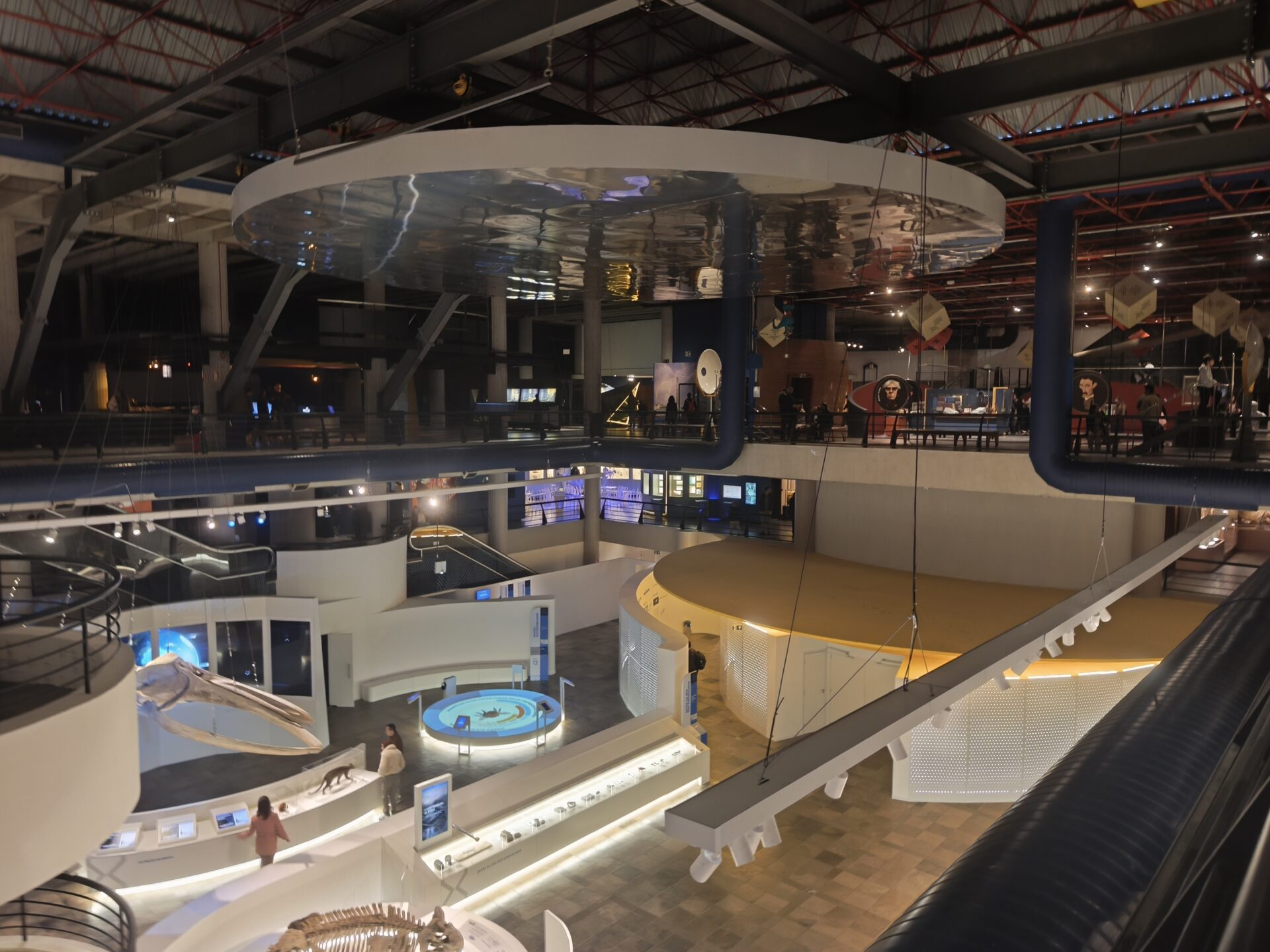
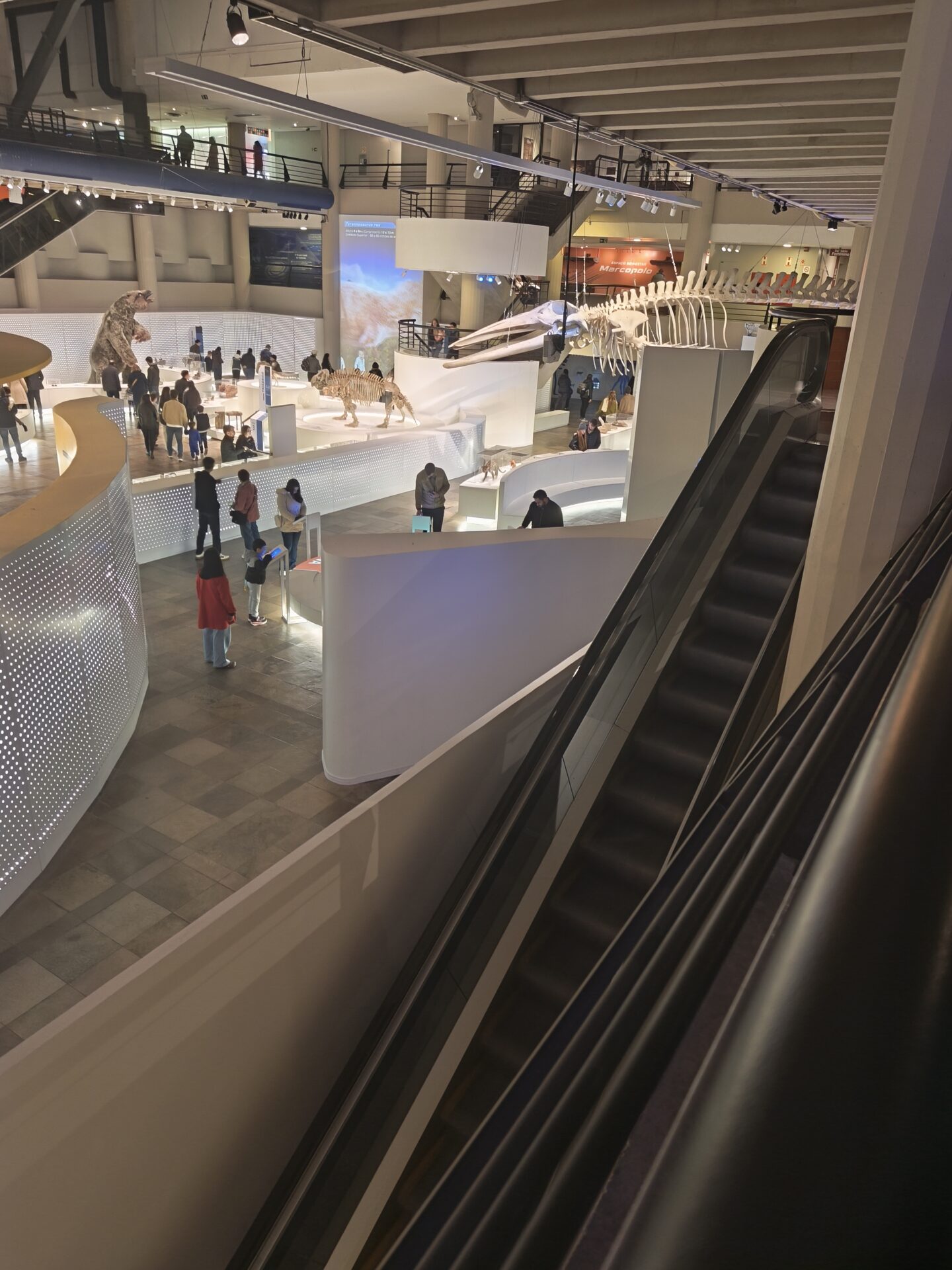
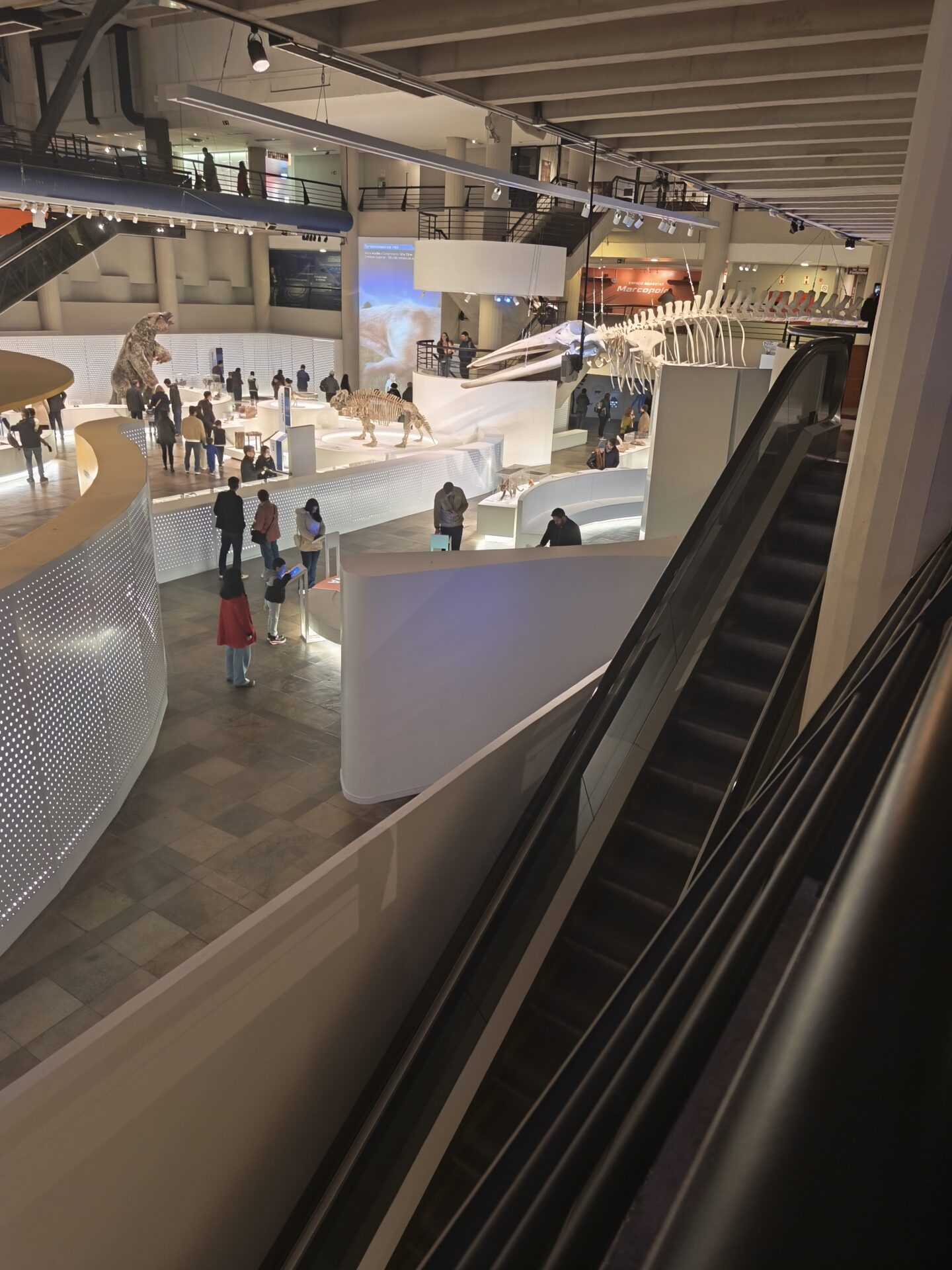
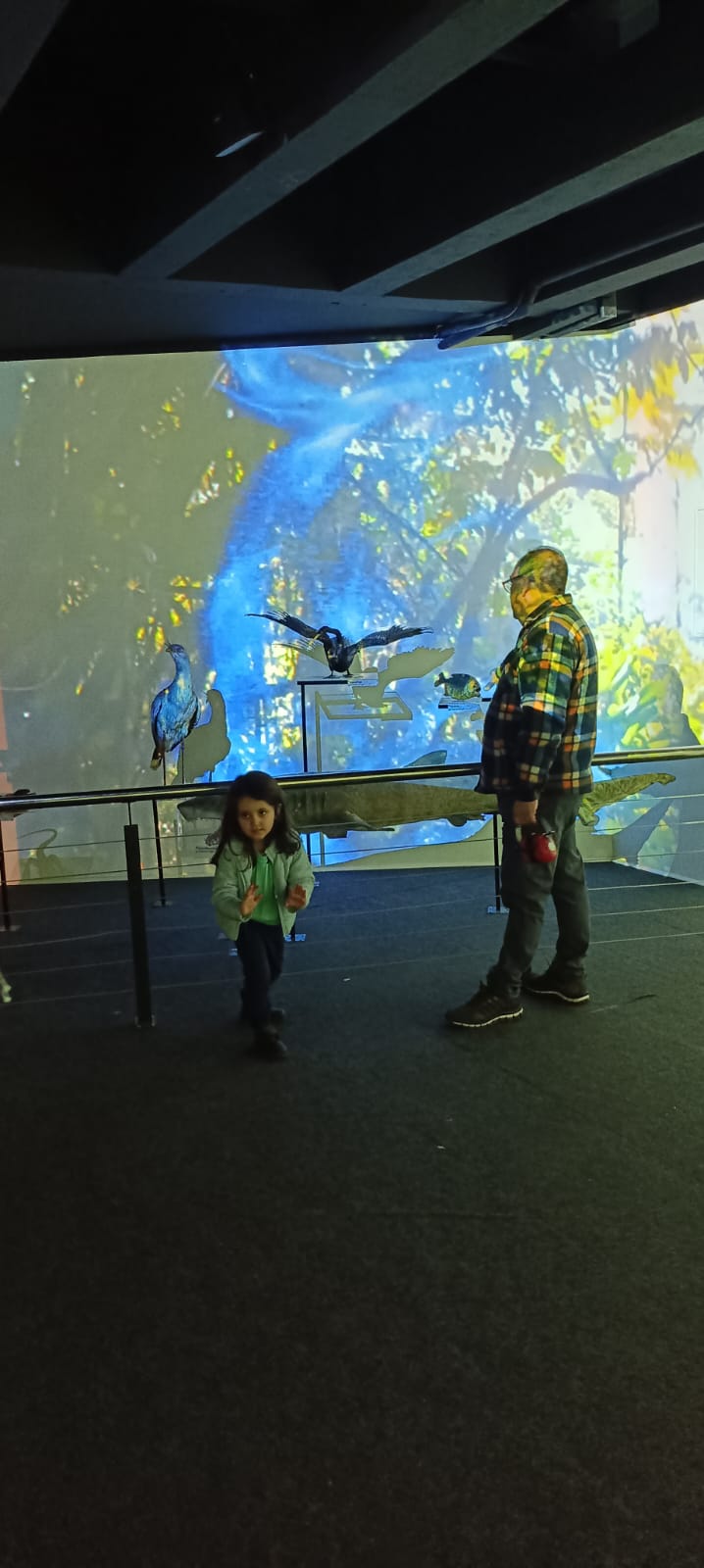
During our visit, the featured exhibit included content related to prehistory and dinosaurs.
It was an area that attracted a lot of attention and sparked curiosity in all family members. 🦖
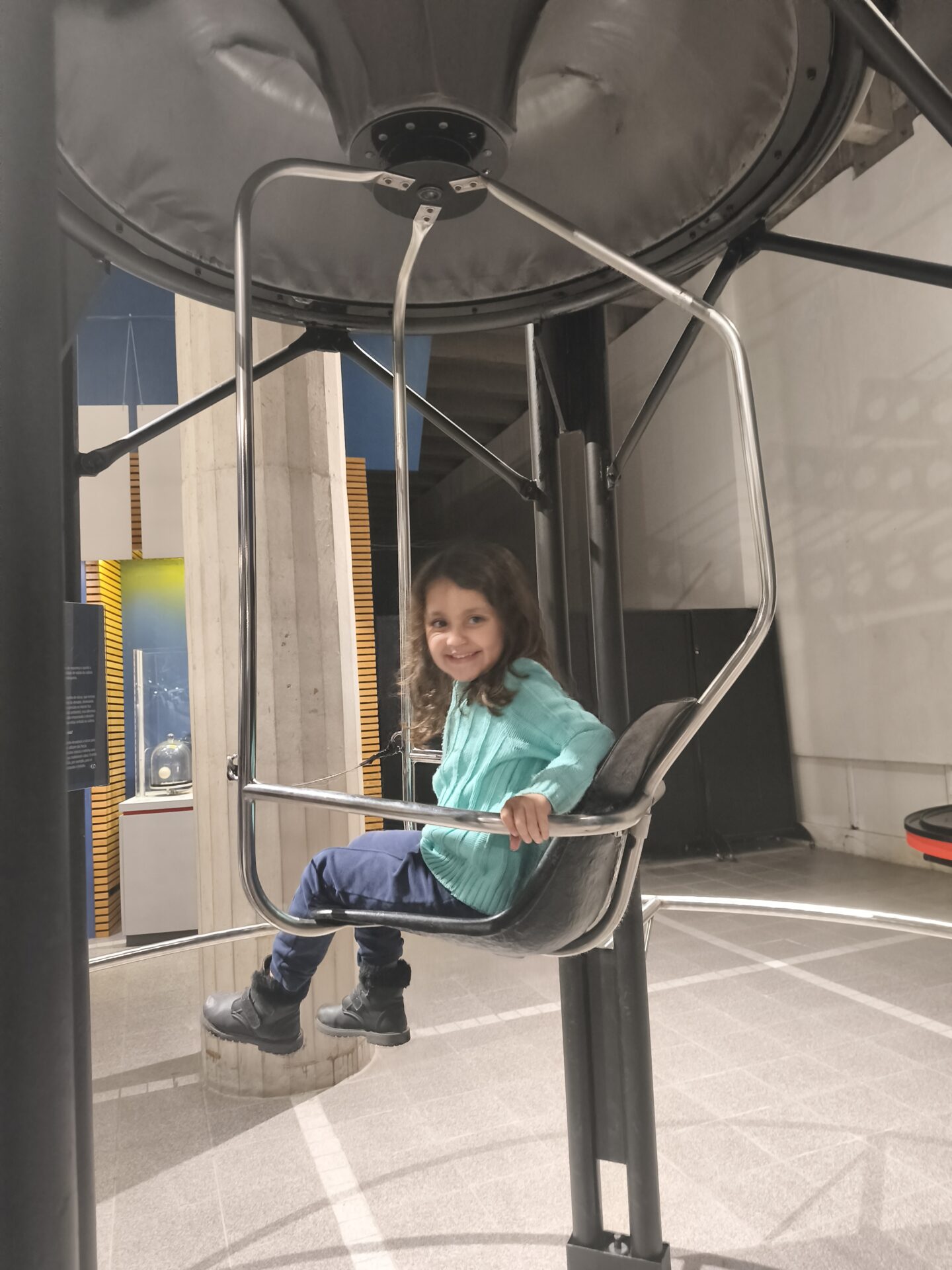
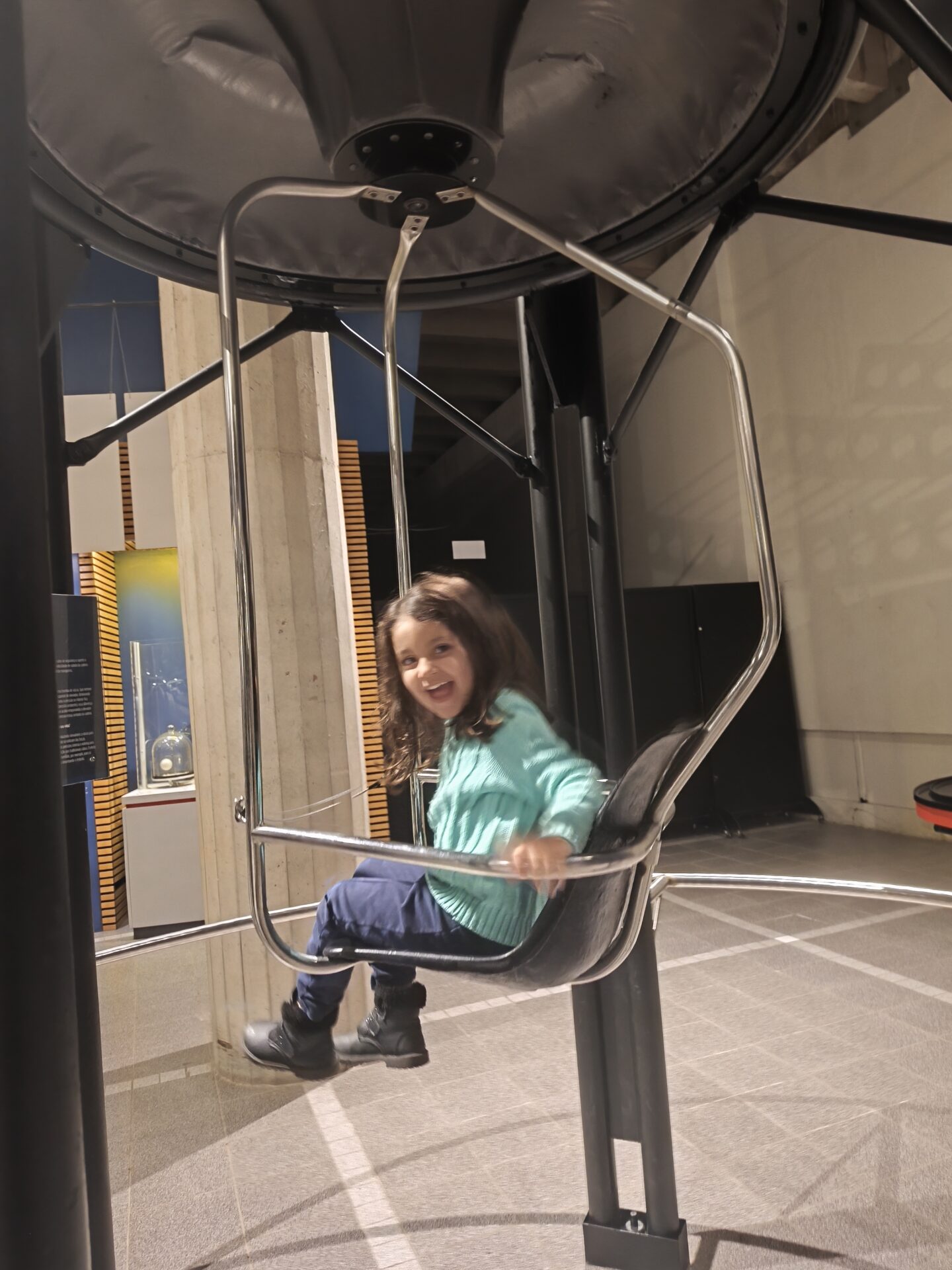
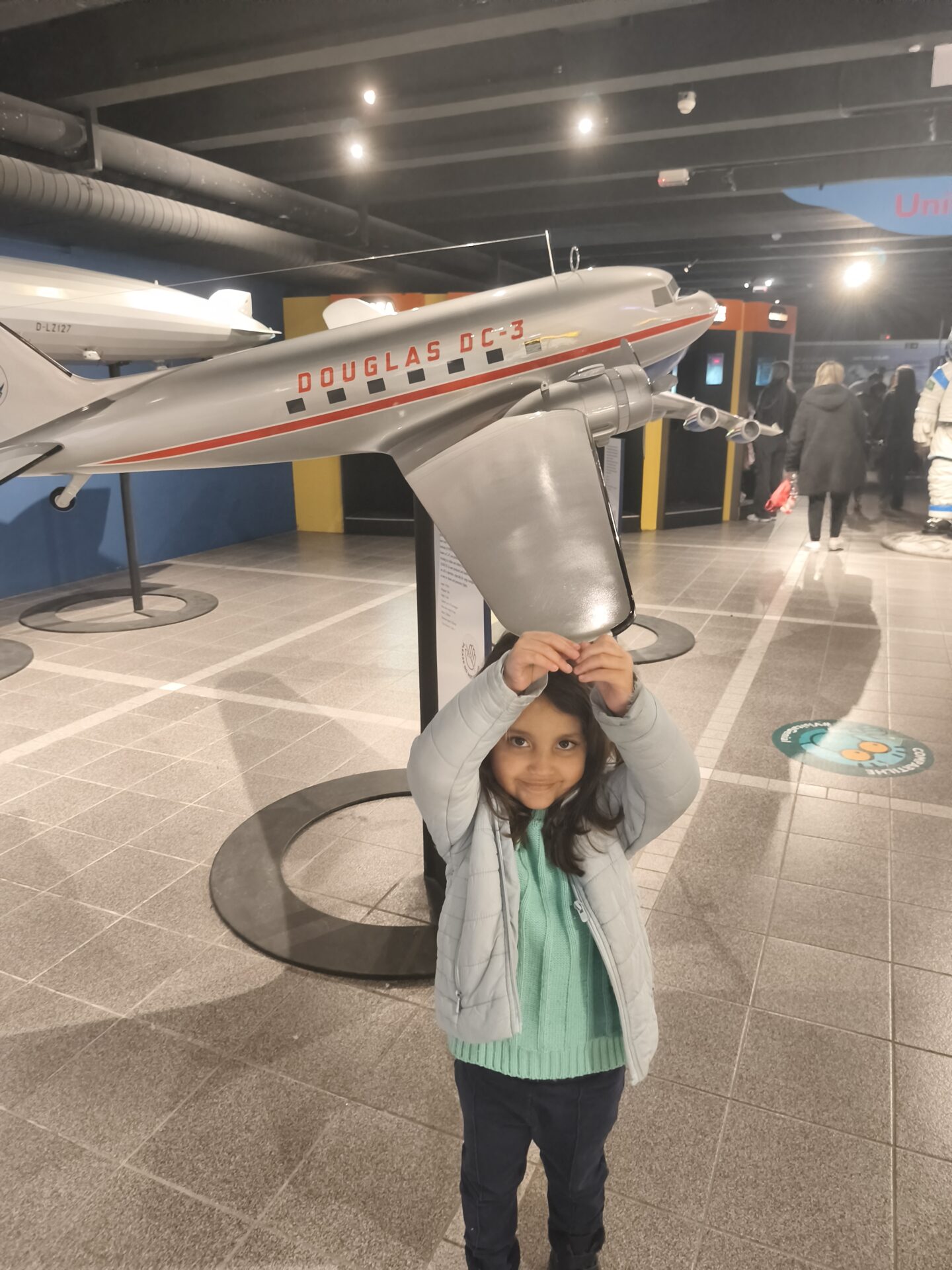
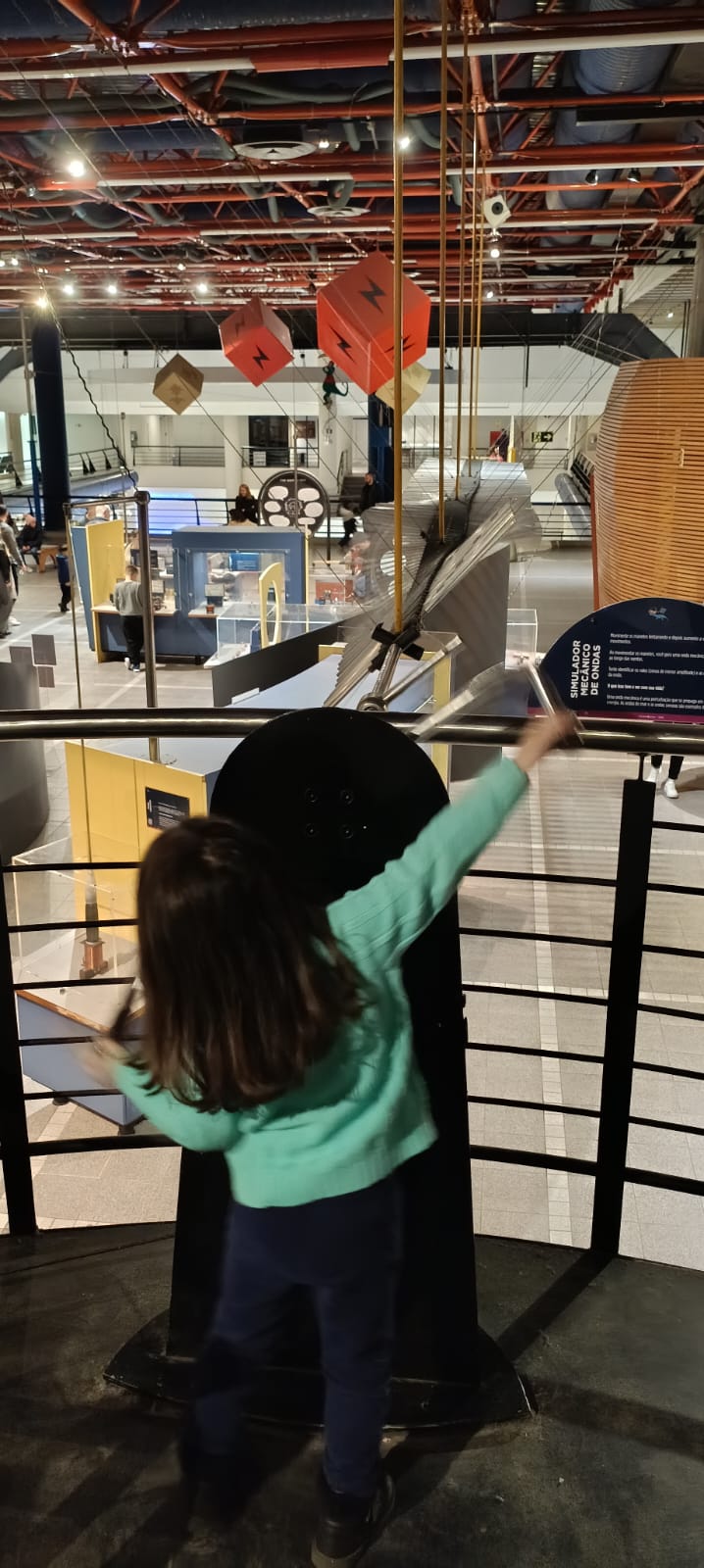
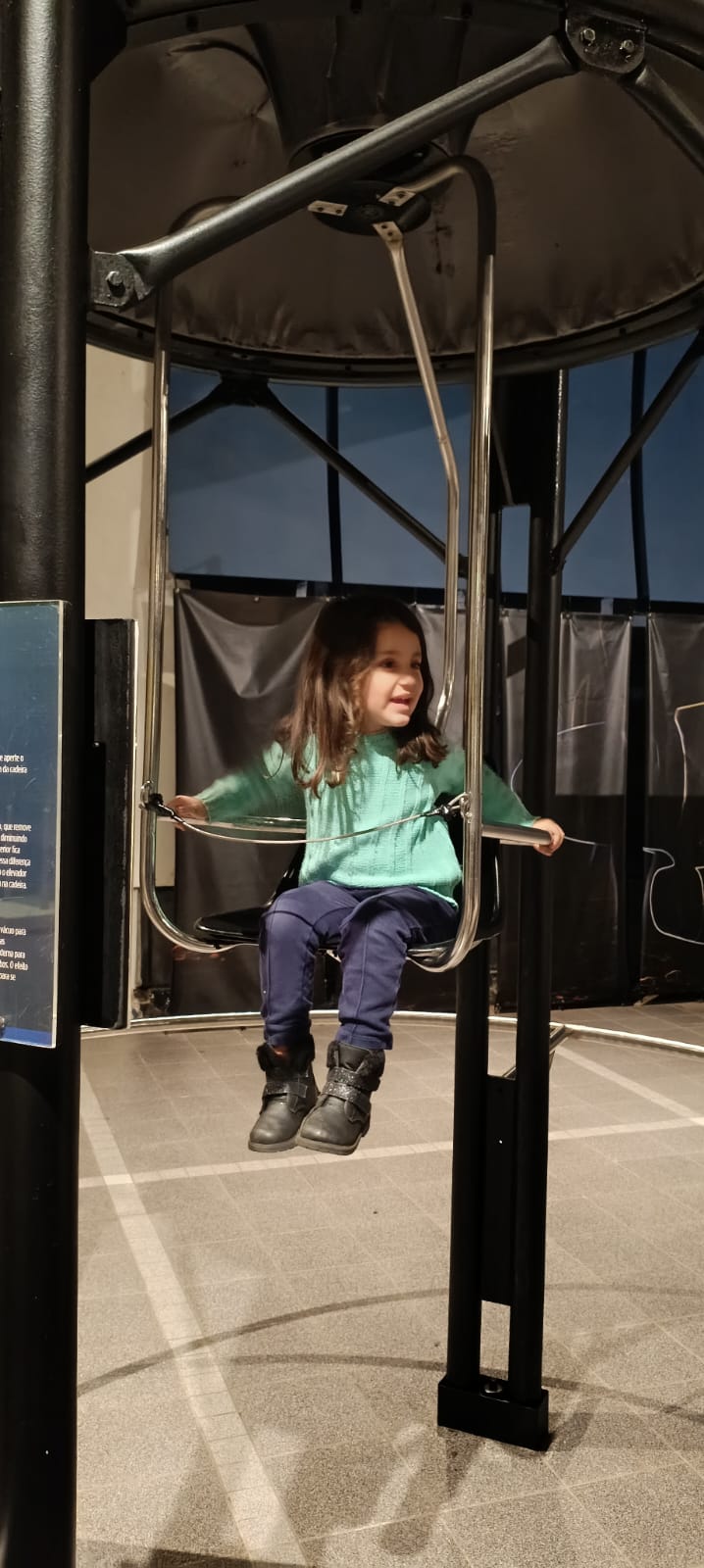
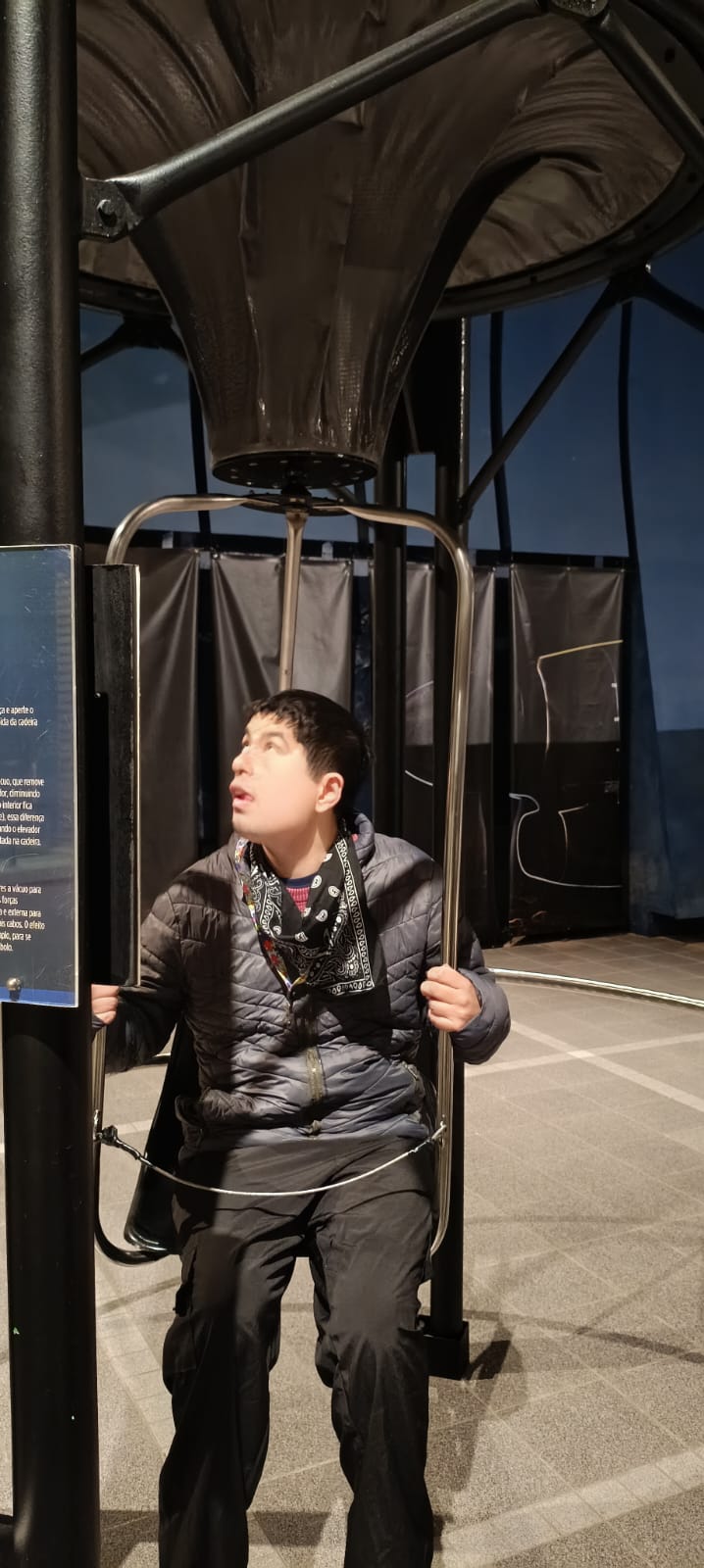
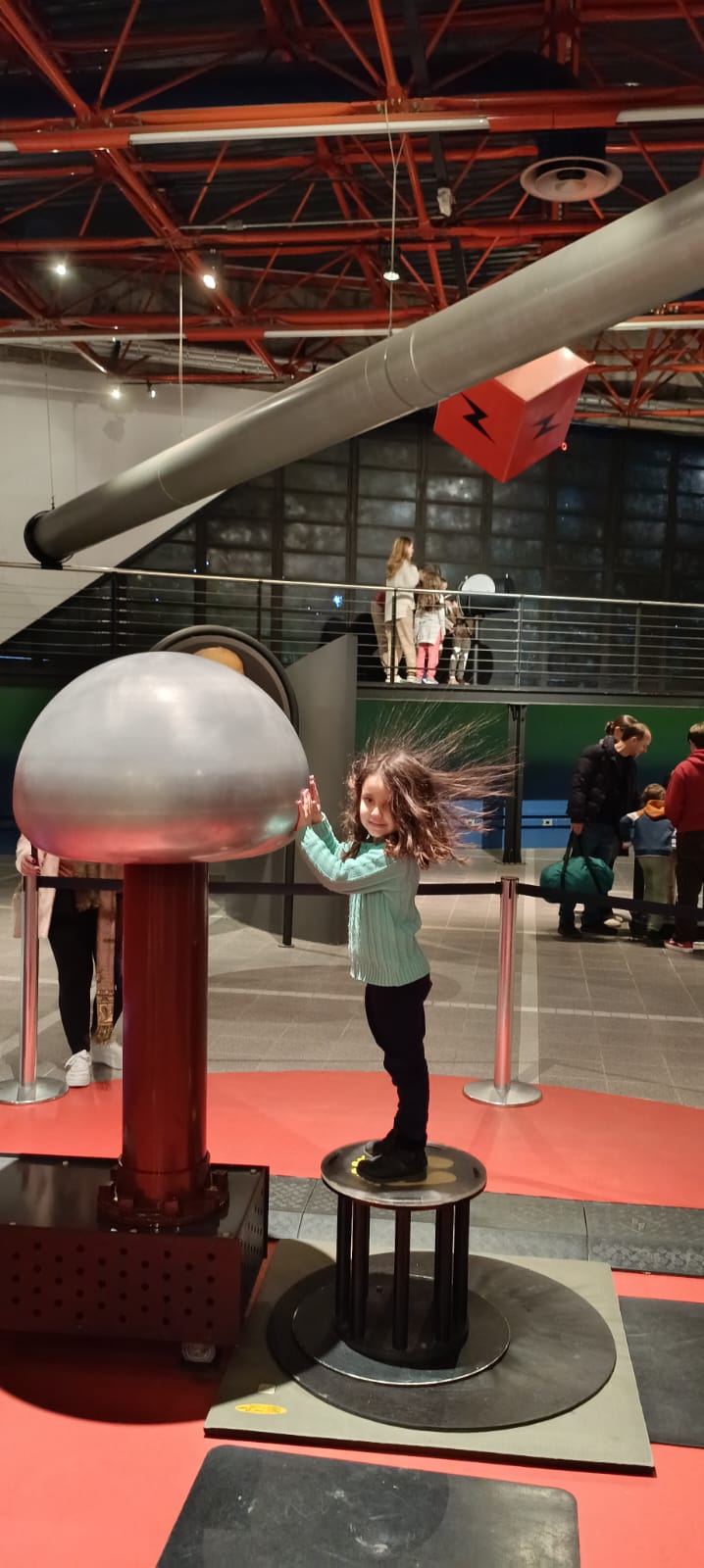
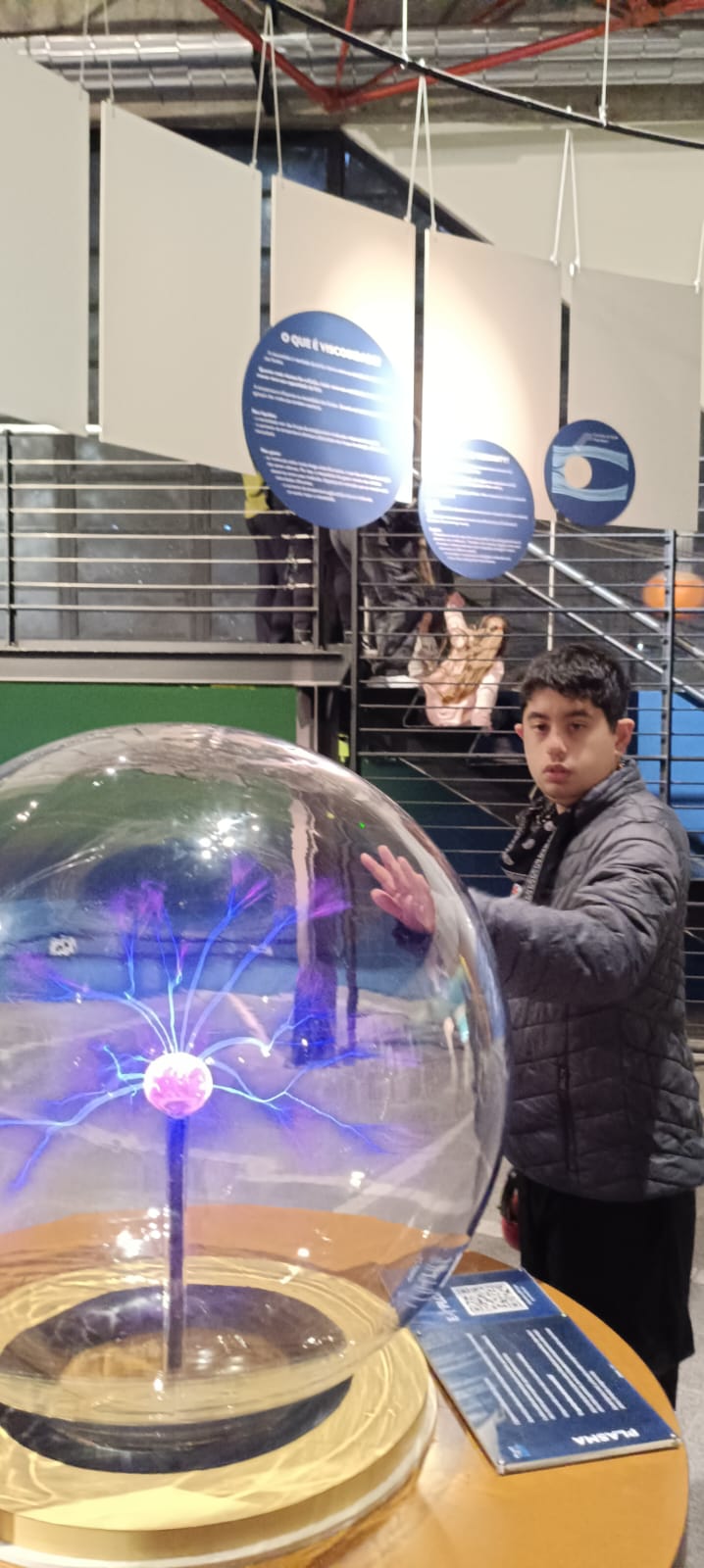
The interactive areas were the favorites.
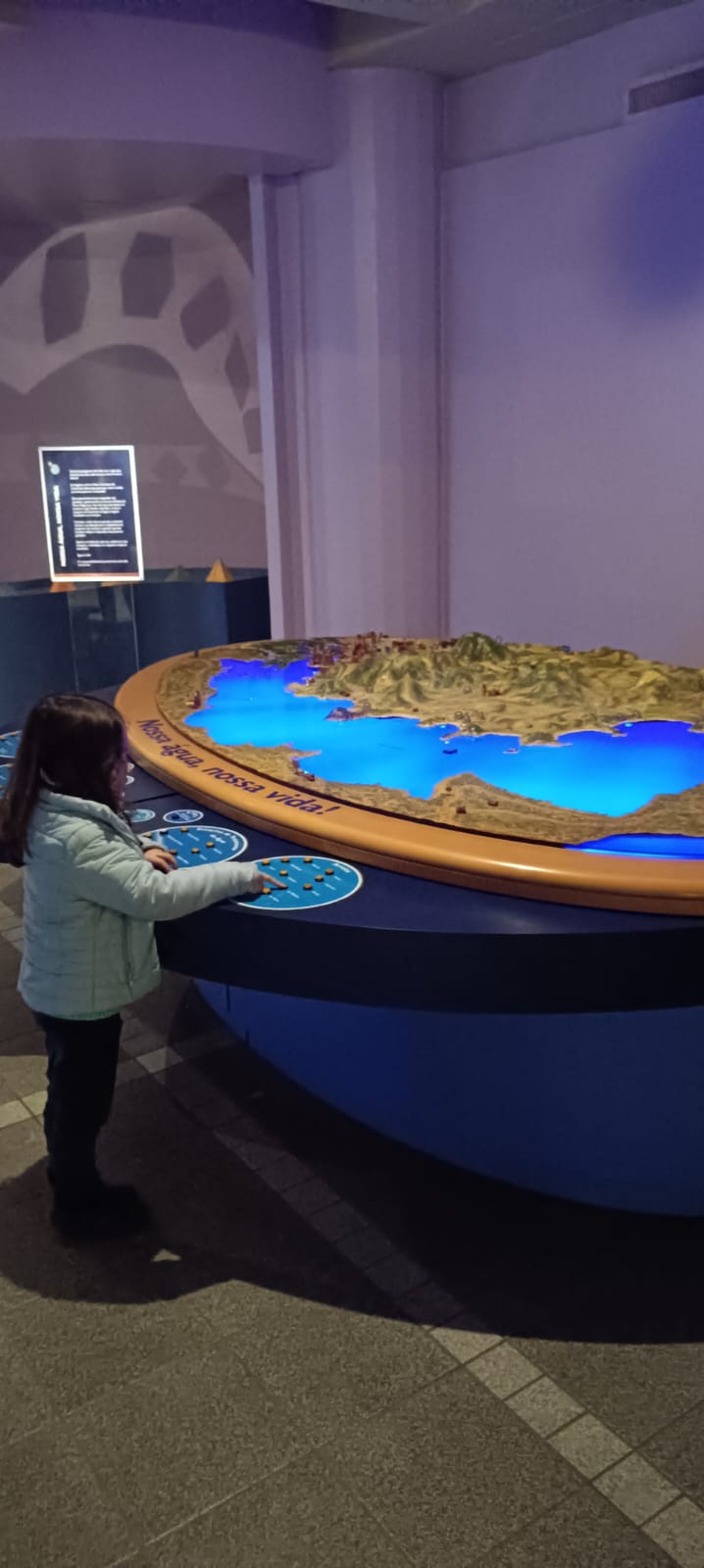
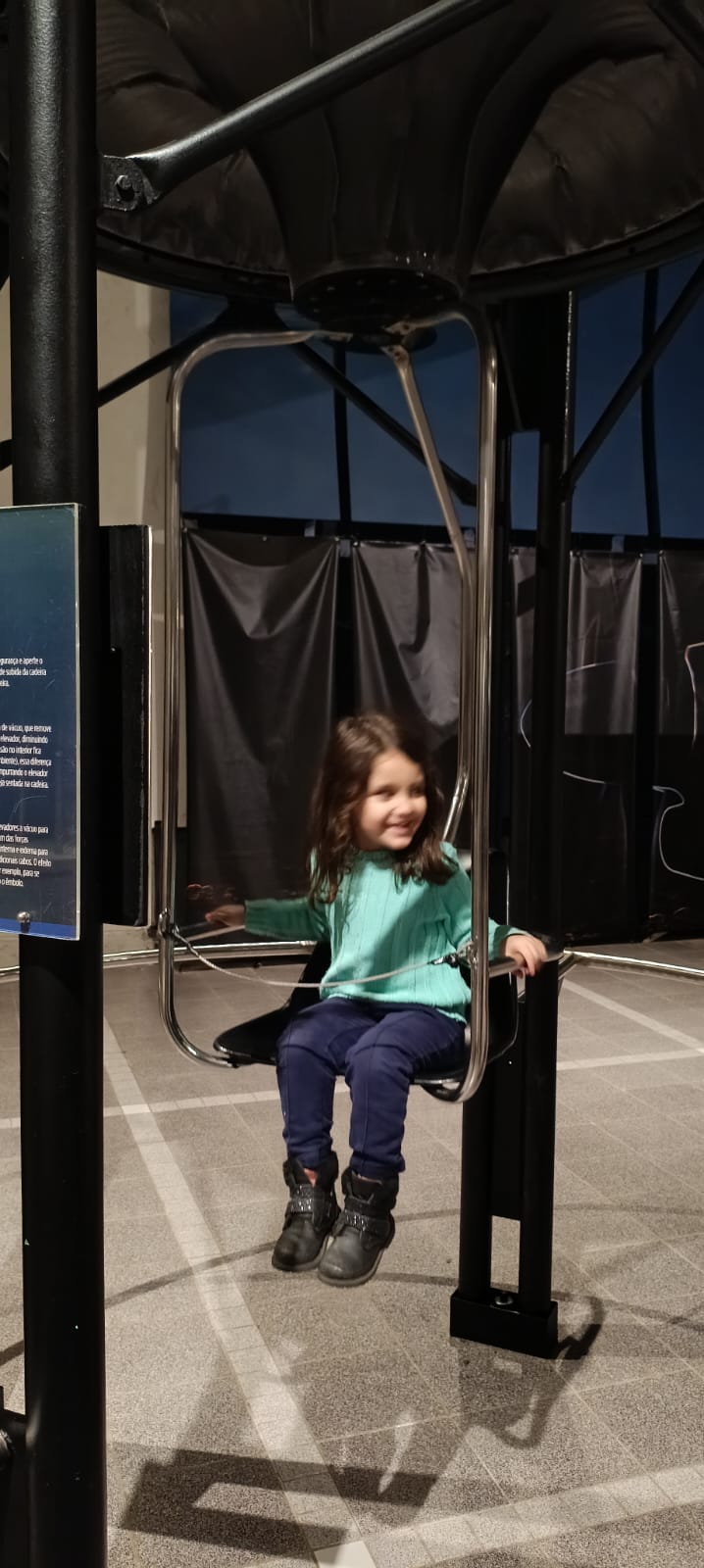
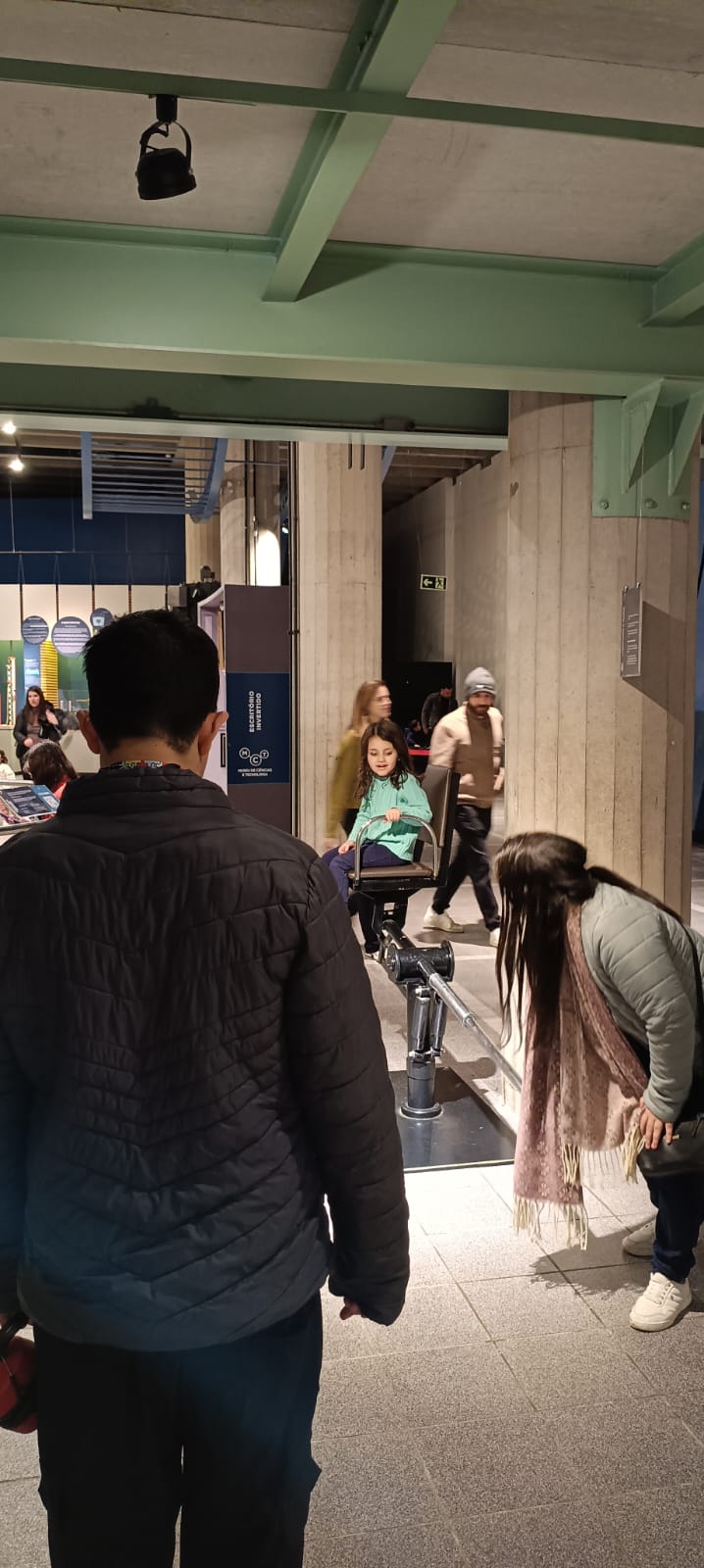
Of all the attractions, the interactive areas were our favorites.
The museum has several spaces where visitors can interact directly with the presented content, making the experience more dynamic and engaging.
This type of approach is often especially interesting for many autistic people, as it promotes hands-on exploration, discovery, and learning through experience.
Instead of simply observing objects and panels, visitors can actively participate in various activities.
It was precisely during these moments that we noticed a greater engagement from our brother during the visit.
Accessibility features found
The museum features several initiatives focused on accessibility.
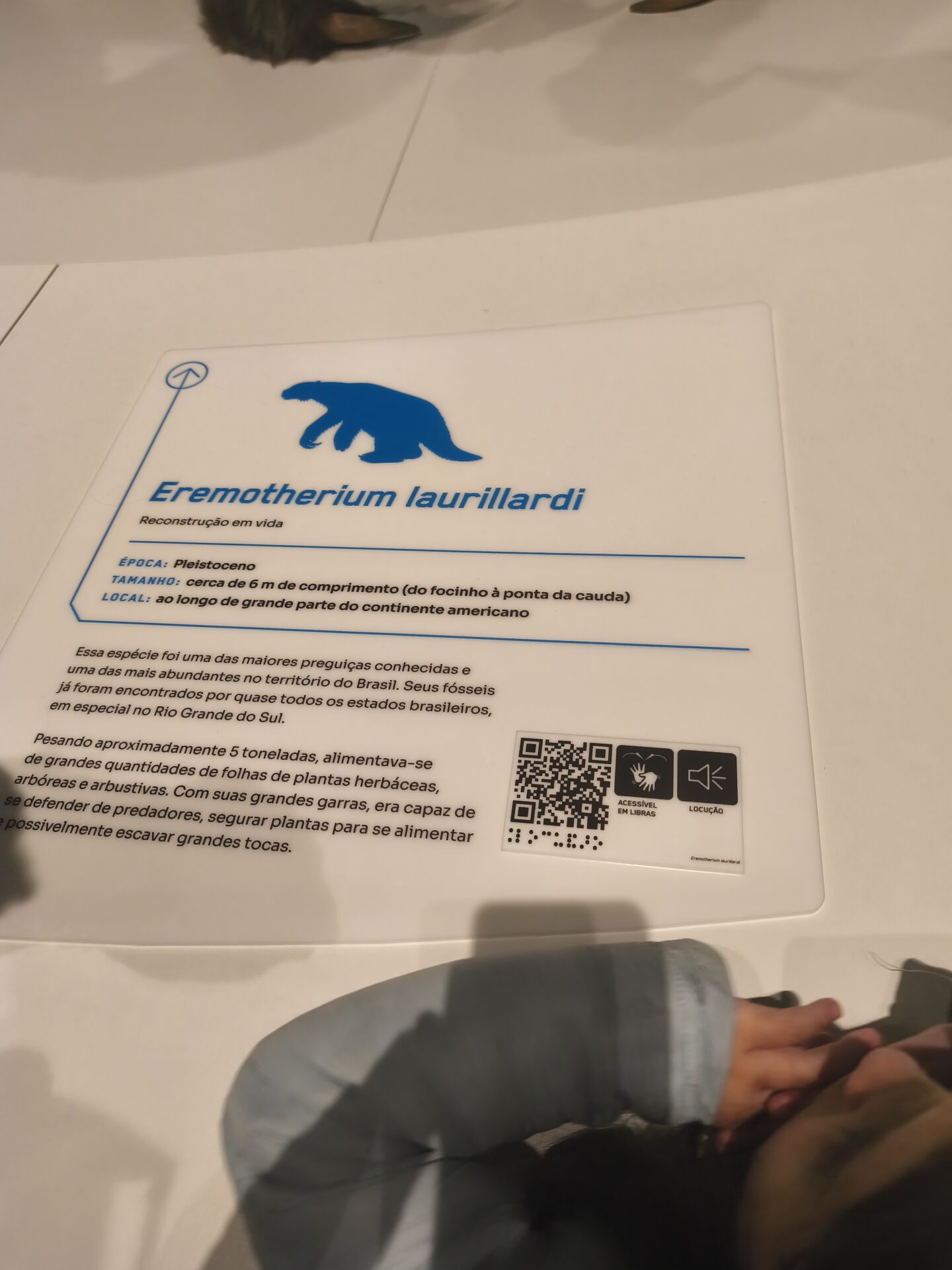
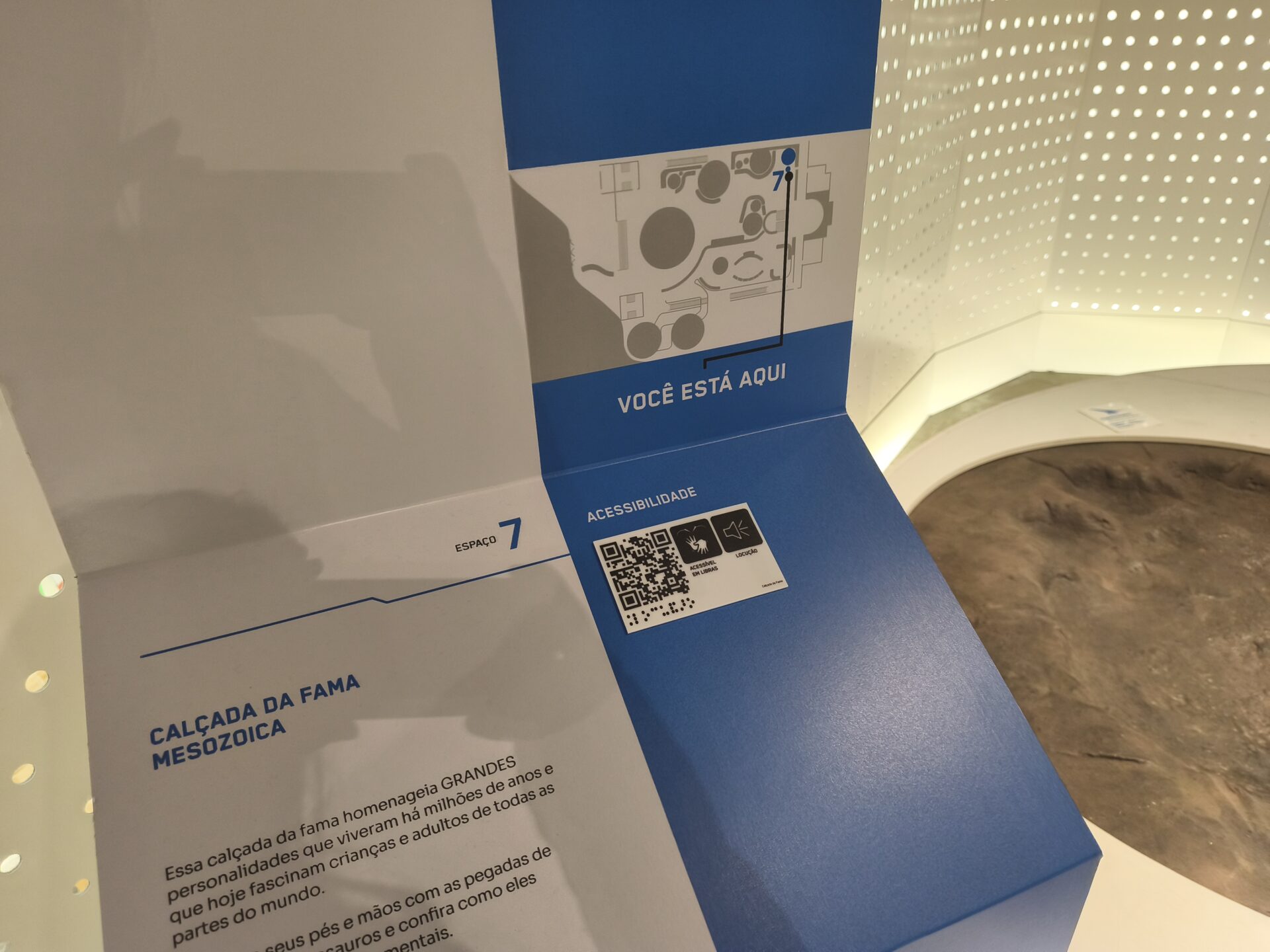
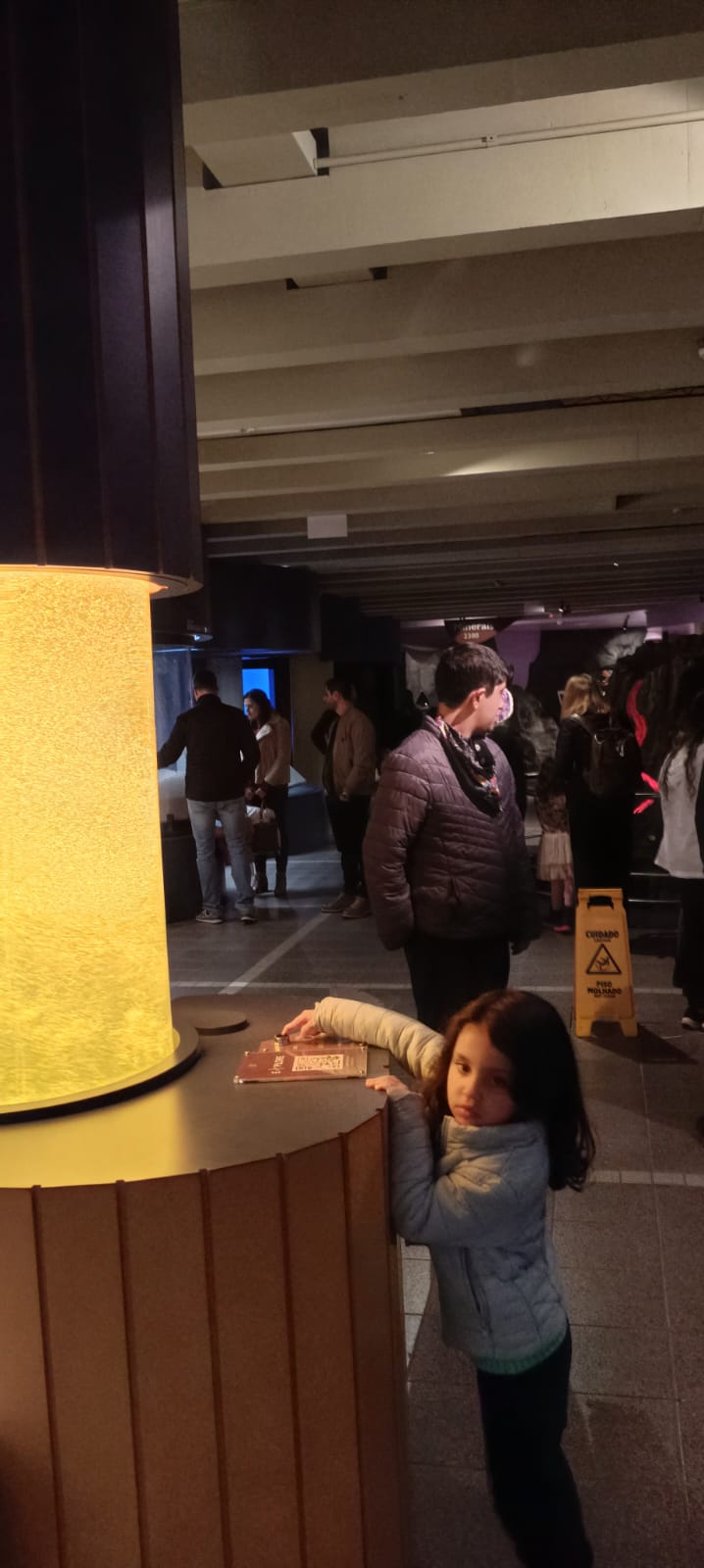
Most exhibits feature QR codes that provide audio content, expanding access to information for people with visual impairments or for those who prefer to consume the content in this way.
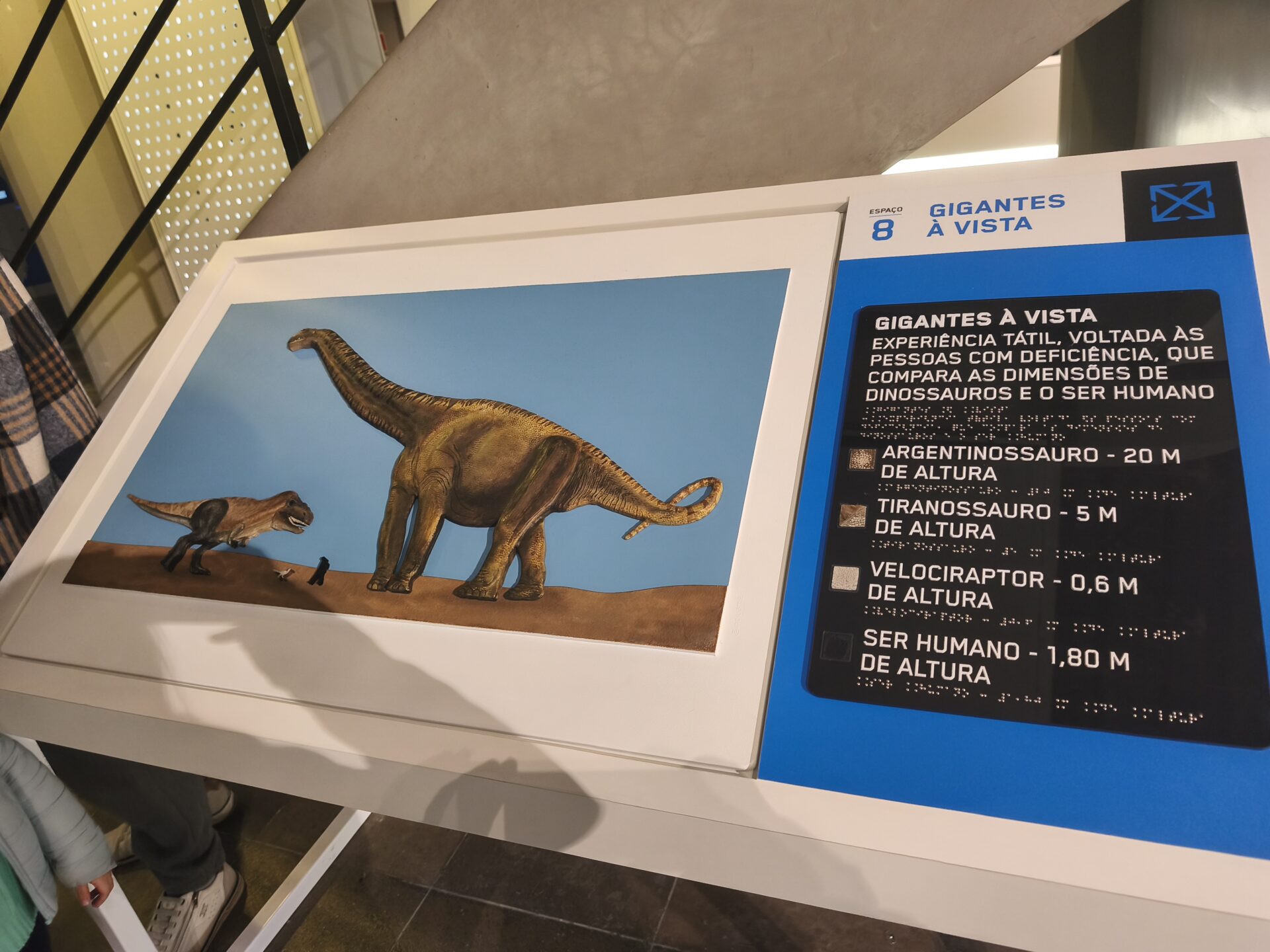
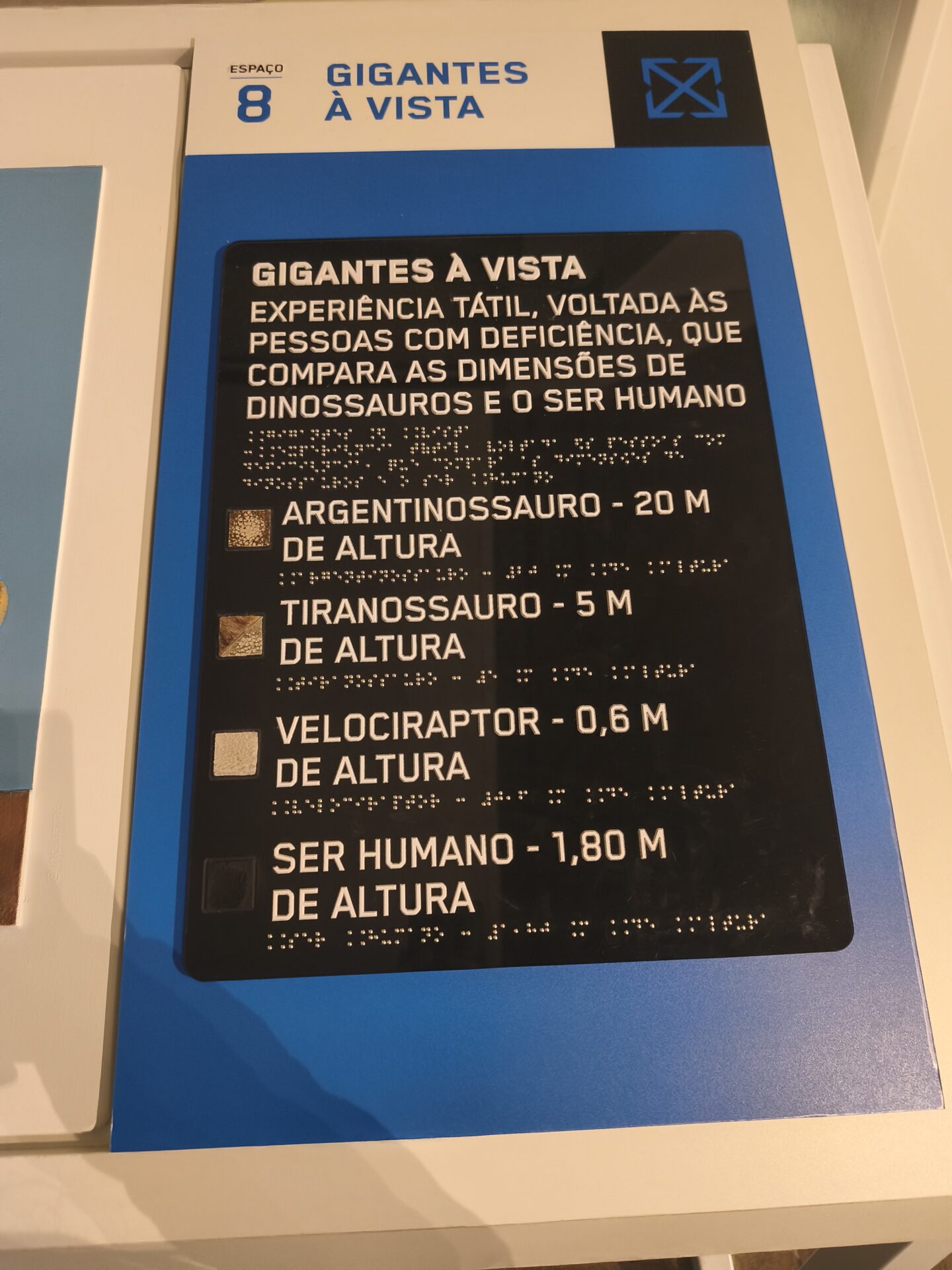
We also found signs with information in Braille in different areas of the exhibition.
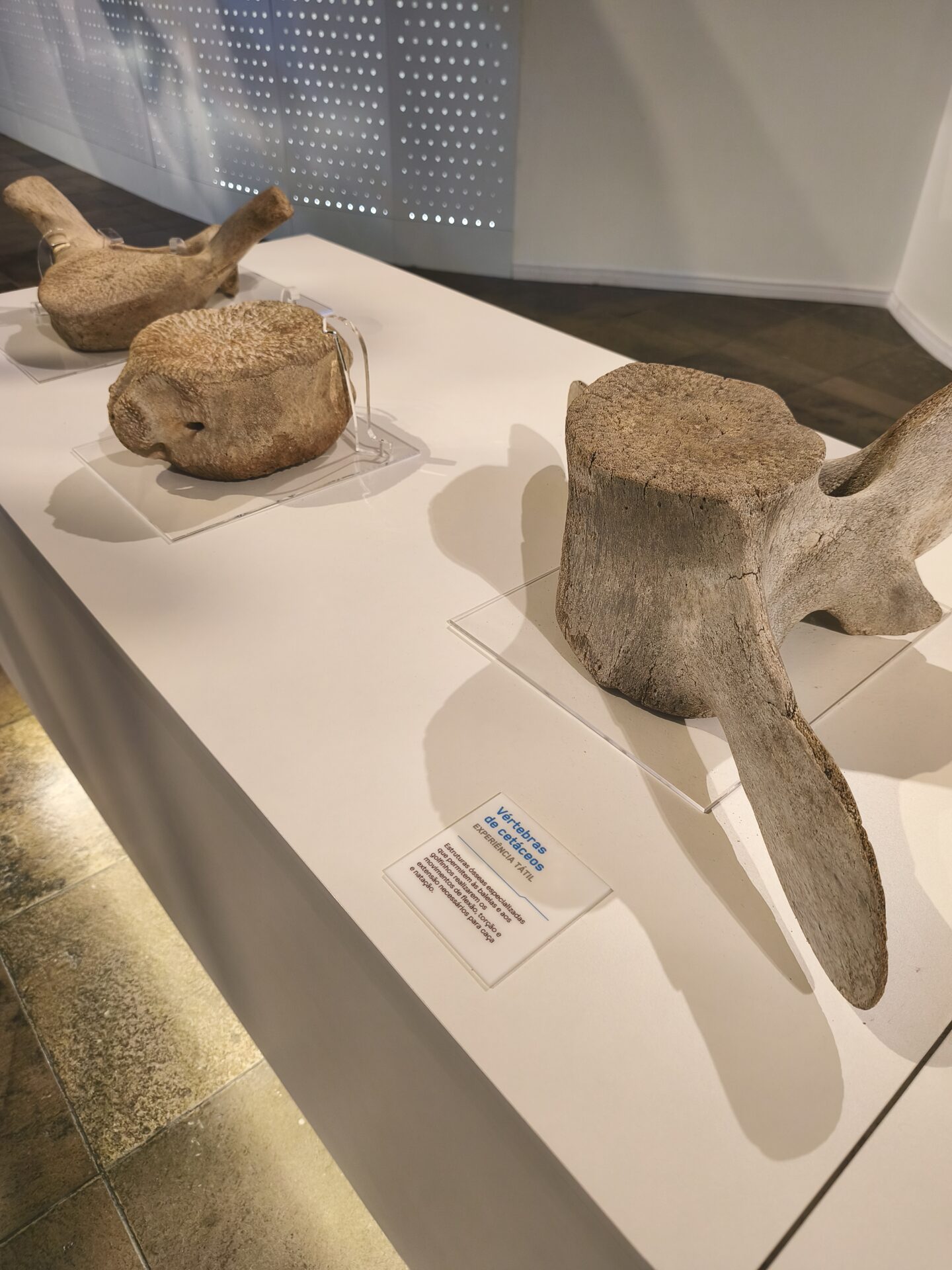
Another very interesting aspect was the presence of tactile experiences.
There are spaces where visually impaired visitors can touch objects, feel textures, perceive dimensions, and understand concepts through touch.
These resources make the experience more inclusive and broaden the possibilities for participation for different audiences.
Points that can still be improved.
Although we found several positive features, we also identified some opportunities for improvement.
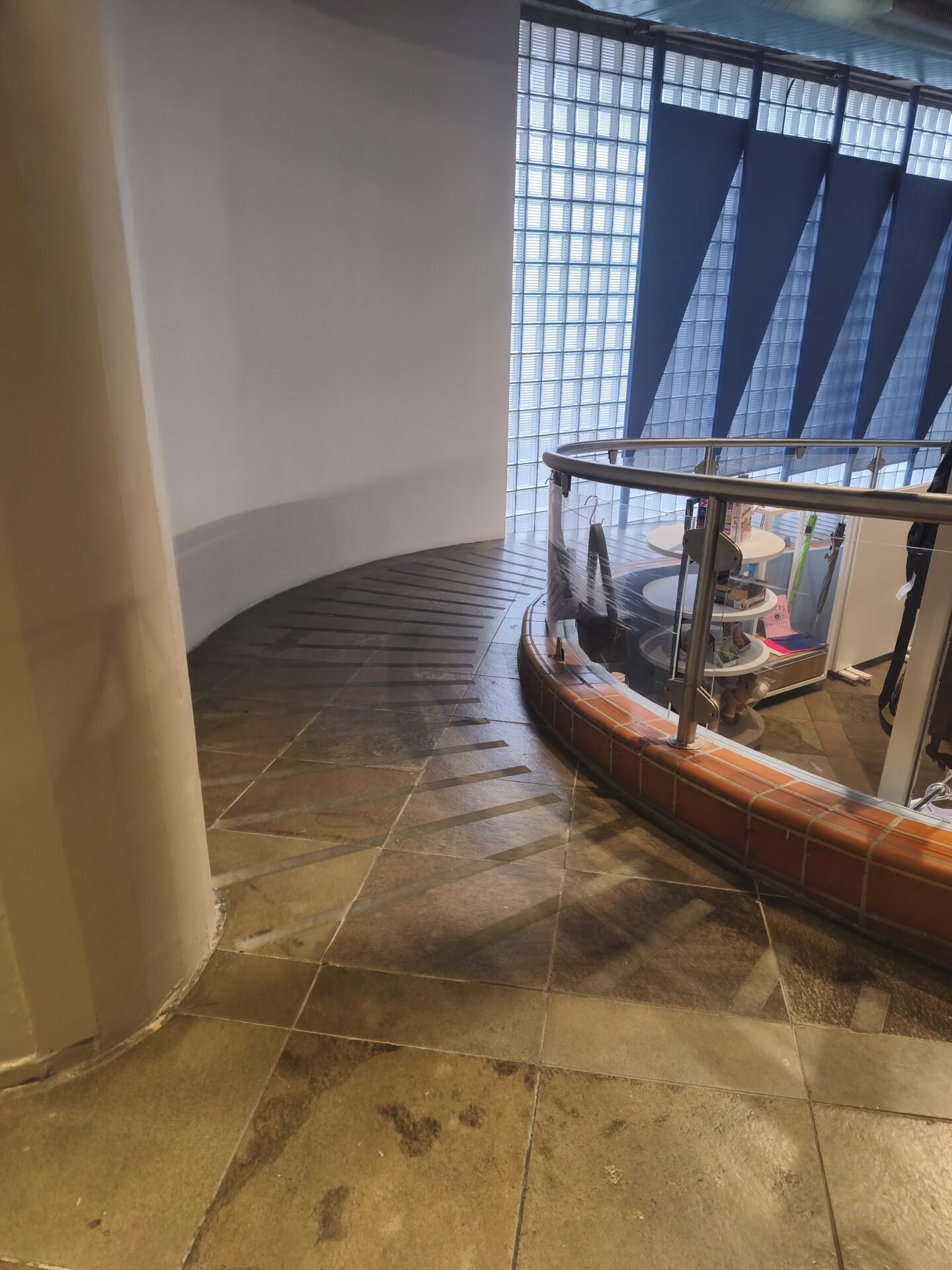
Throughout the entire route, we did not encounter any directional or warning tactile paving.
We also did not find any tactile maps that could assist visually impaired people in orienting themselves within the space.
Another resource we did not find was Augmentative and Alternative Communication (AAC).
The presence of panels with pictograms, visual routines, or alternative communication systems could contribute to making the experience even more accessible for autistic visitors who are non-verbal or have communication difficulties.
The elevator issue
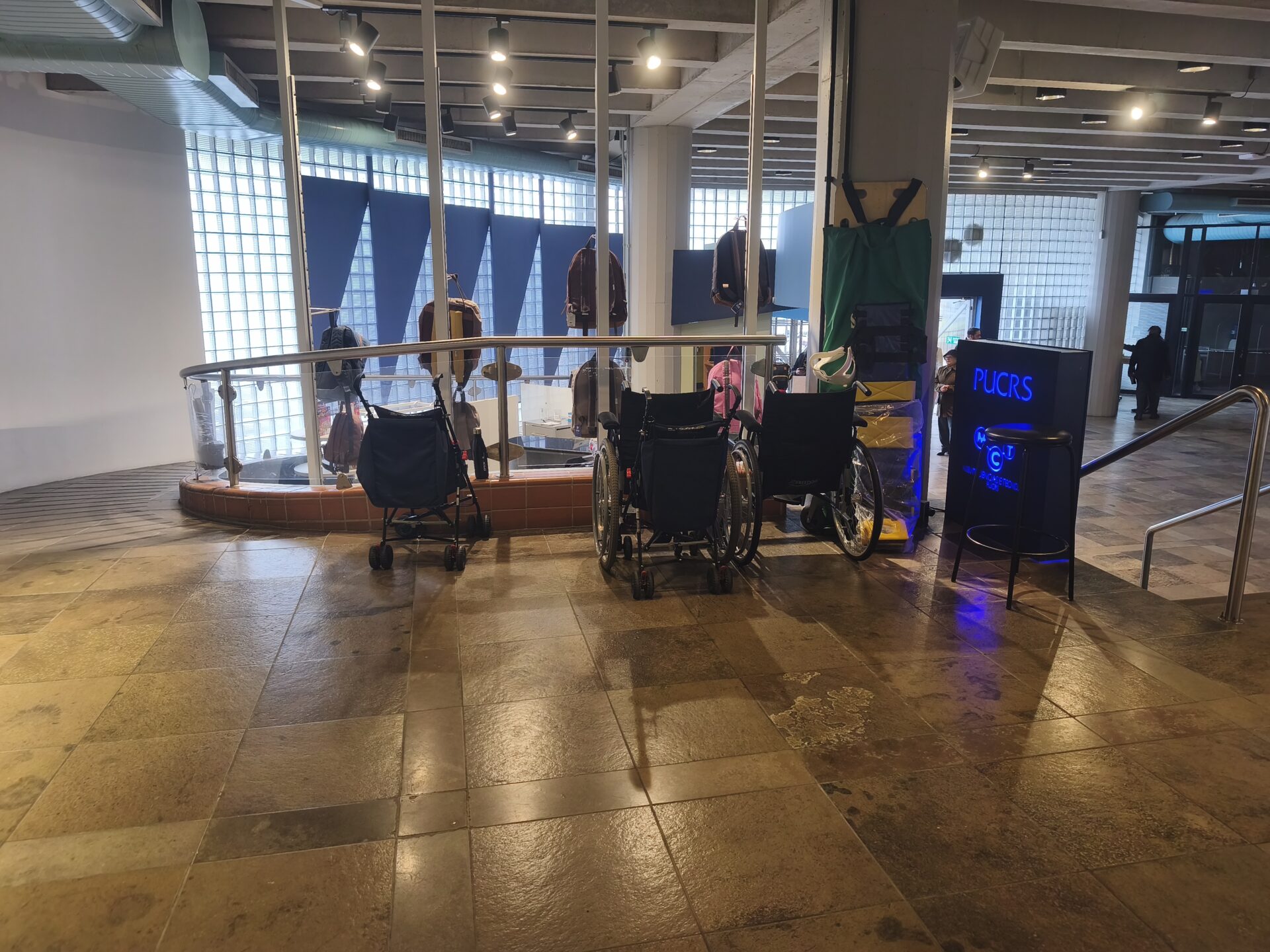
During the visit we observed the presence of escalators that connect the different levels of the museum.
However, we did not see any signs indicating elevators.
For this reason, we asked an employee about the existence of this feature.
She informed that the museum has an accessible elevator, but that access needs to be authorized by a monitor.
According to the team, the equipment is located in an enclosed area.
Although the feature exists, we believe that clearer signage could greatly facilitate identification by visitors who need to use it.
For first-time visitors, the lack of signs may give the impression that there is no elevator available.
Our autistic brother's experience
Perhaps the most special aspect of the visit was witnessing the experience of our level 3 autistic brother.
Before we left, we were a little apprehensive about how he would react to the environment.
New places, with lots of visual information and different stimuli, can present challenges for some autistic people.
Fortunately, our concern was unfounded.
He really enjoyed the visit.
He actively participated in various events, observed the exhibits with interest, and even interacted with some of the available experiences.
It was very rewarding to see your involvement and interest throughout the tour.
These moments reinforce how access to culture, science, and leisure can be enriching when environments offer welcoming spaces and suitable conditions for different types of visitors.
Our final assessment
Overall, our visit to the PUCRS Museum of Science and Technology was extremely positive.
We found a welcoming team, important accessibility resources, interesting interactive experiences, and an environment that encouraged the participation of the whole family.
As with any accessibility assessment, we identified some points that could make the experience even more inclusive, such as the presence of tactile paving, a tactile map, Augmentative and Alternative Communication (AAC) resources, better elevator signage, and clearer indication of parking spaces and priority service.
We understand that accessibility is a process of continuous improvement, and we share these observations with the goal of contributing to enabling more and more people to enjoy the space with autonomy and comfort.
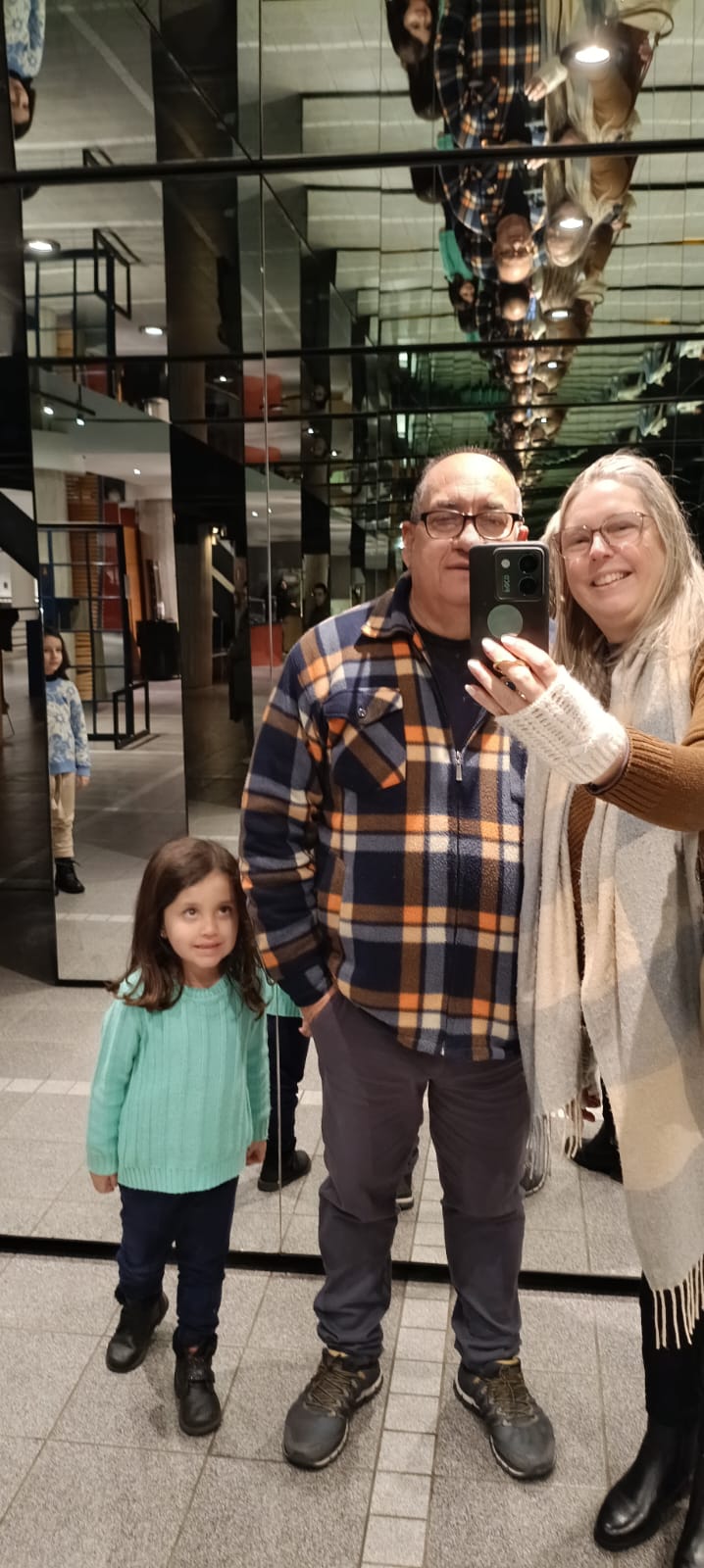
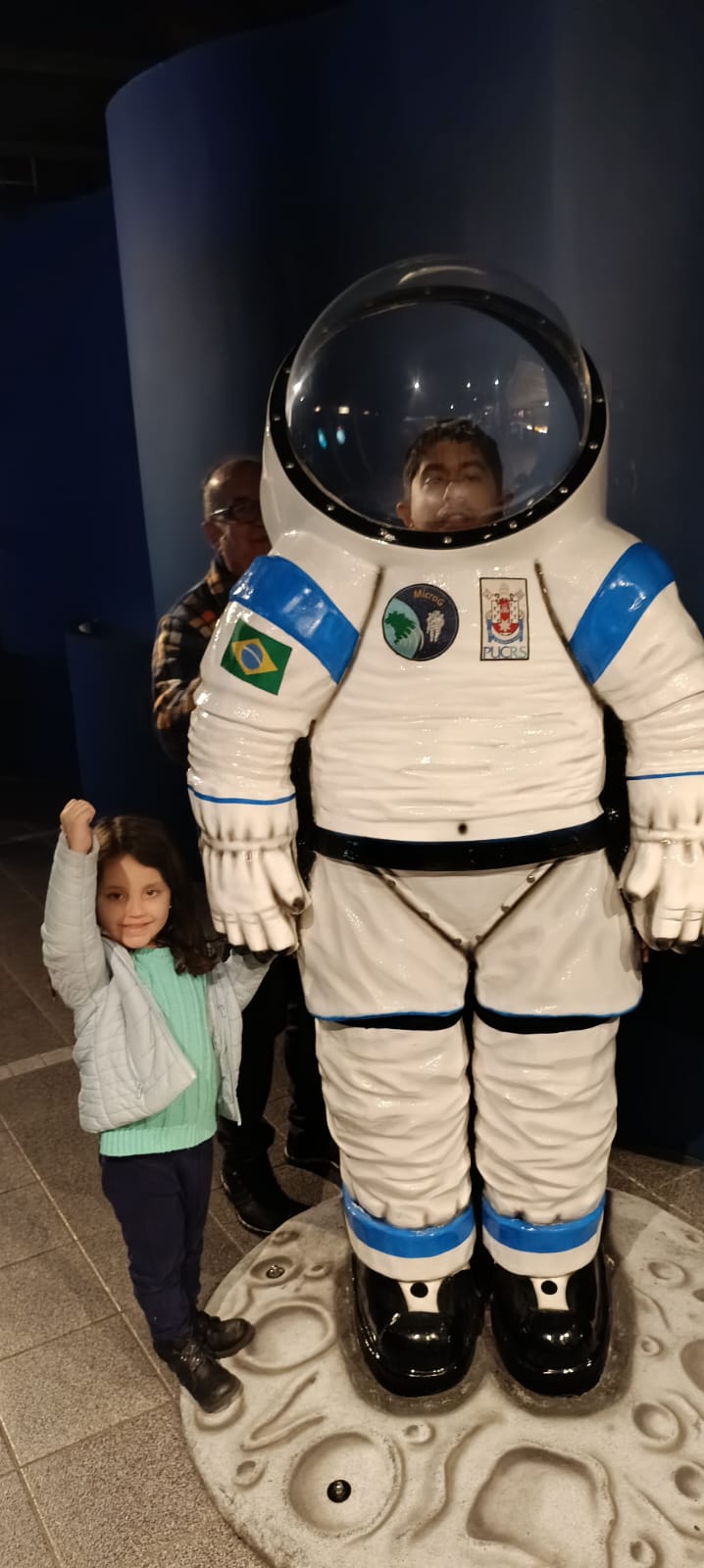
Overall, we were very satisfied with the visit. We were warmly welcomed from the first contact, found the staff attentive, and had a pleasant family experience.
Seeing our brother participating, exploring, and showing interest in the exhibits made the outing even more special.
If you're looking for a cultural activity in Porto Alegre to do with your family, especially if there's an autistic person among the visitors, we believe the PUCRS Museum of Science and Technology deserves a place on your list of options. 💙
📍 Location Information
The Science and Technology Museum of PUCRS is located on the campus of the Pontifical Catholic University of Rio Grande do Sul, in Porto Alegre. The space brings together scientific exhibitions, interactive experiences, and educational activities for visitors of all ages.
🌐 Official website: PUCRS Science and Technology Museum
📍 Address: Av. Ipiranga, 6681 – Building 40 – Partenon – Porto Alegre/RS
🎟️ Type of visit: Self-guided
♿ Resources found: Ear muffs, audio content via QR code, Braille, and tactile experiences.
⚠️ Resources not found: Tactile paving, tactile map, and Augmentative and Alternative Communication (AAC).

📣 Share your inclusion experience!
Have you had a positive accessibility experience at a park, hotel, restaurant, or other location? Your story could help other families plan more inclusive trips.
Send your report and it may appear here on the website, in our section Reviews or General Tips!

Don't miss any tips!
Sign up and receive our inclusive tourism experiences directly to your email.
Want to make tourism more inclusive?
We are open to partnerships with accessible spaces, inclusive inns and projects that value diversity.
Get in touch and let's talk!