
Farol Congress 2025 — full report, accessibility, strengths and areas for improvement 💙
Quick summary: Two intense days, lots of content about autism, child development and CAA; excellent speakers (many with direct experience with ASD, whether through self-diagnosis or that of family members); good exchanges — and clear opportunities for improvement in accessibility and organizationBelow is my honest account, with constructive tips for the next edition. ✨
Official website of the congress: congressofarol.com.br • Location: SouthCentral
What you will find in this post
- Arrival, access and accreditation
- Accessibility of the space (signage, elevators, restrooms)
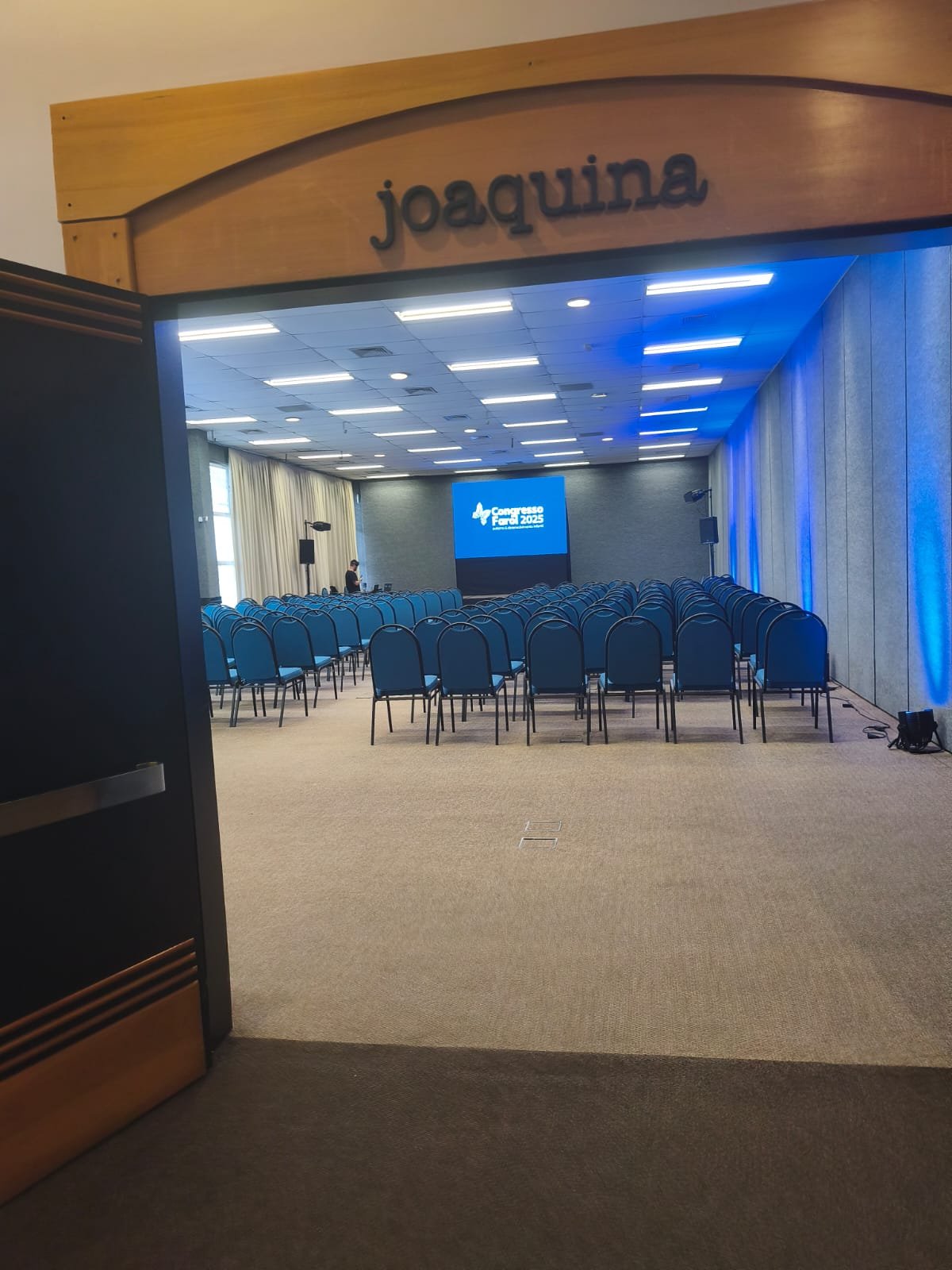
- Main hall: seating, stage and sensory resources
- Content and lectures: the best of the program.
- Decompression Room and Escape Room
- Meals and breaks: queues and selective eating
- Audience, general atmosphere, and my experience.
- Suggestions for improvement for 2026
- Conclusion + invitation to talk
Arrival, access and accreditation 🧭
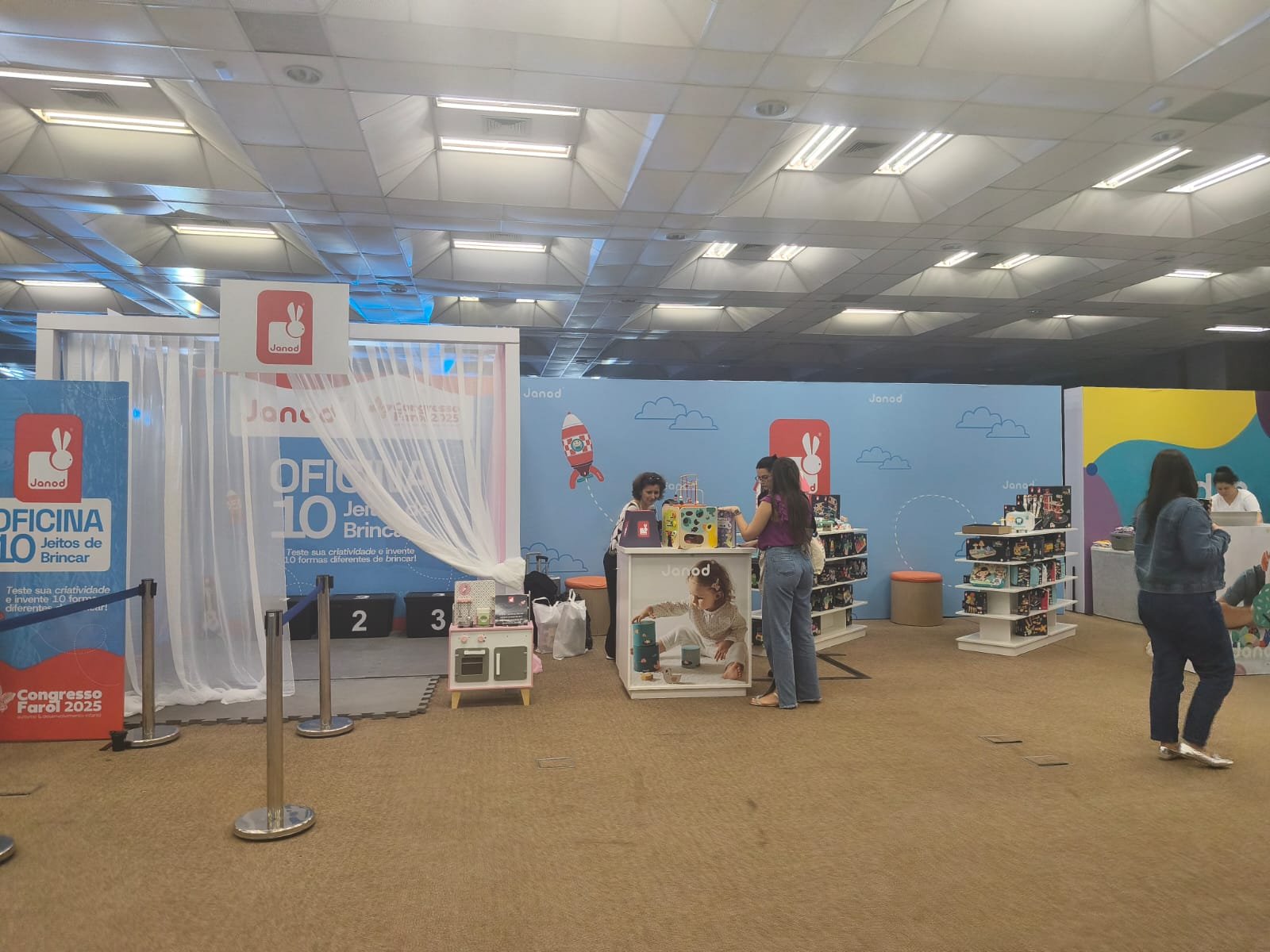
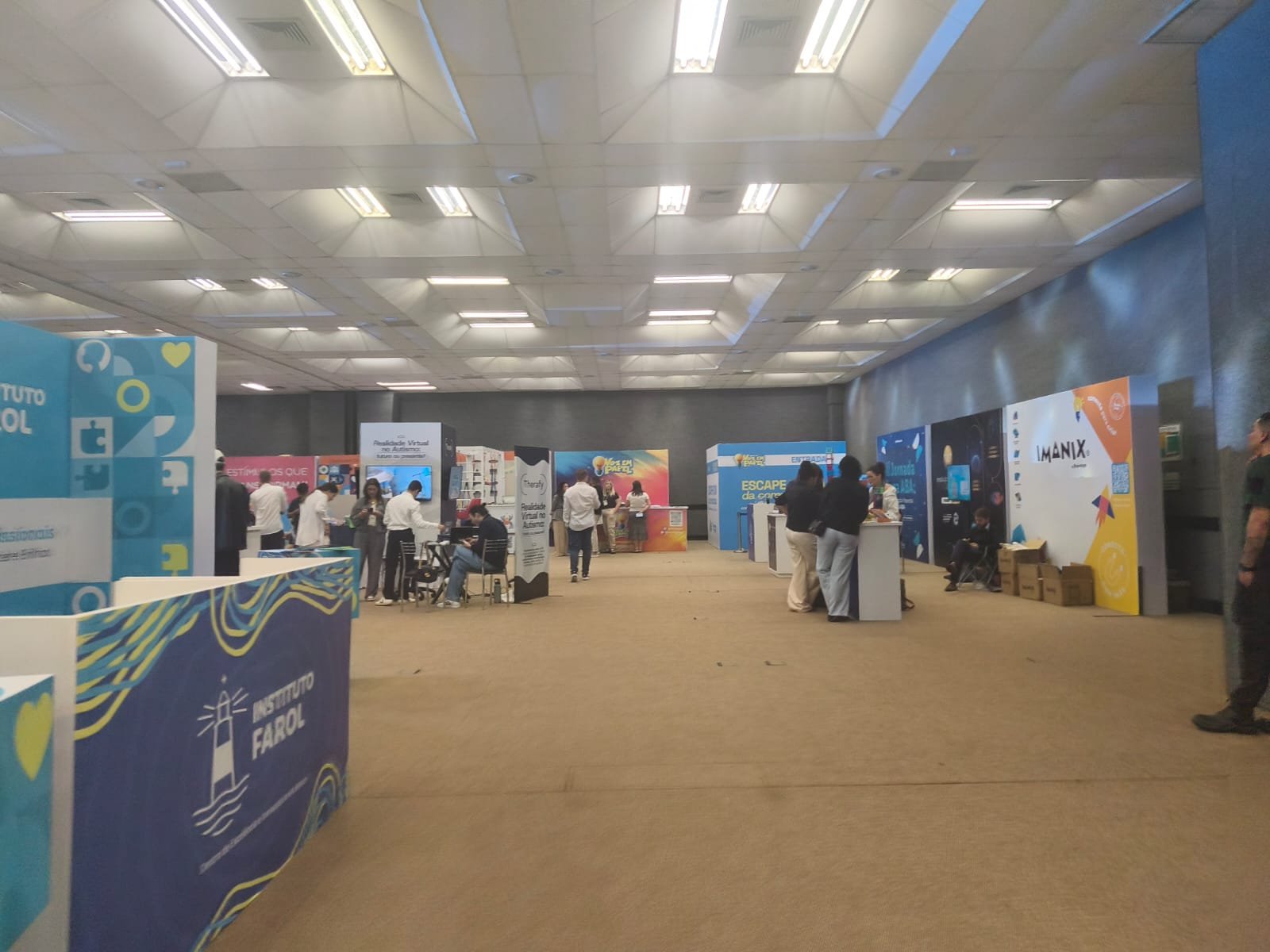
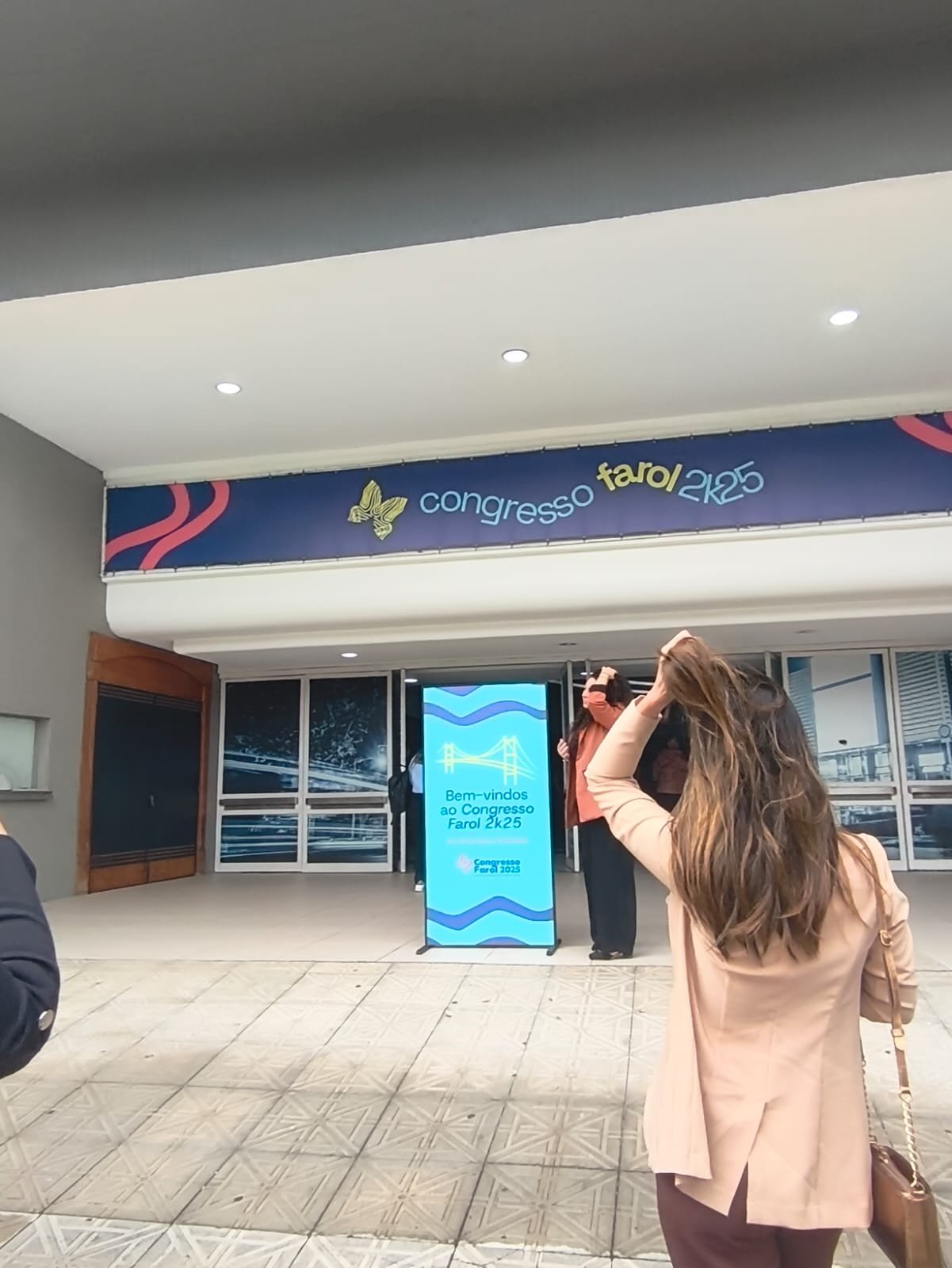
The event took place in CentroSul Convention Center (site.centrosul.netBecause it is a public equipment and frequently used in official events, the expectation is that high accessibility standards — Robust signage, clearly marked routes, and a well-structured priority service system. Throughout this post, I'll discuss the positive aspects and areas for improvement.
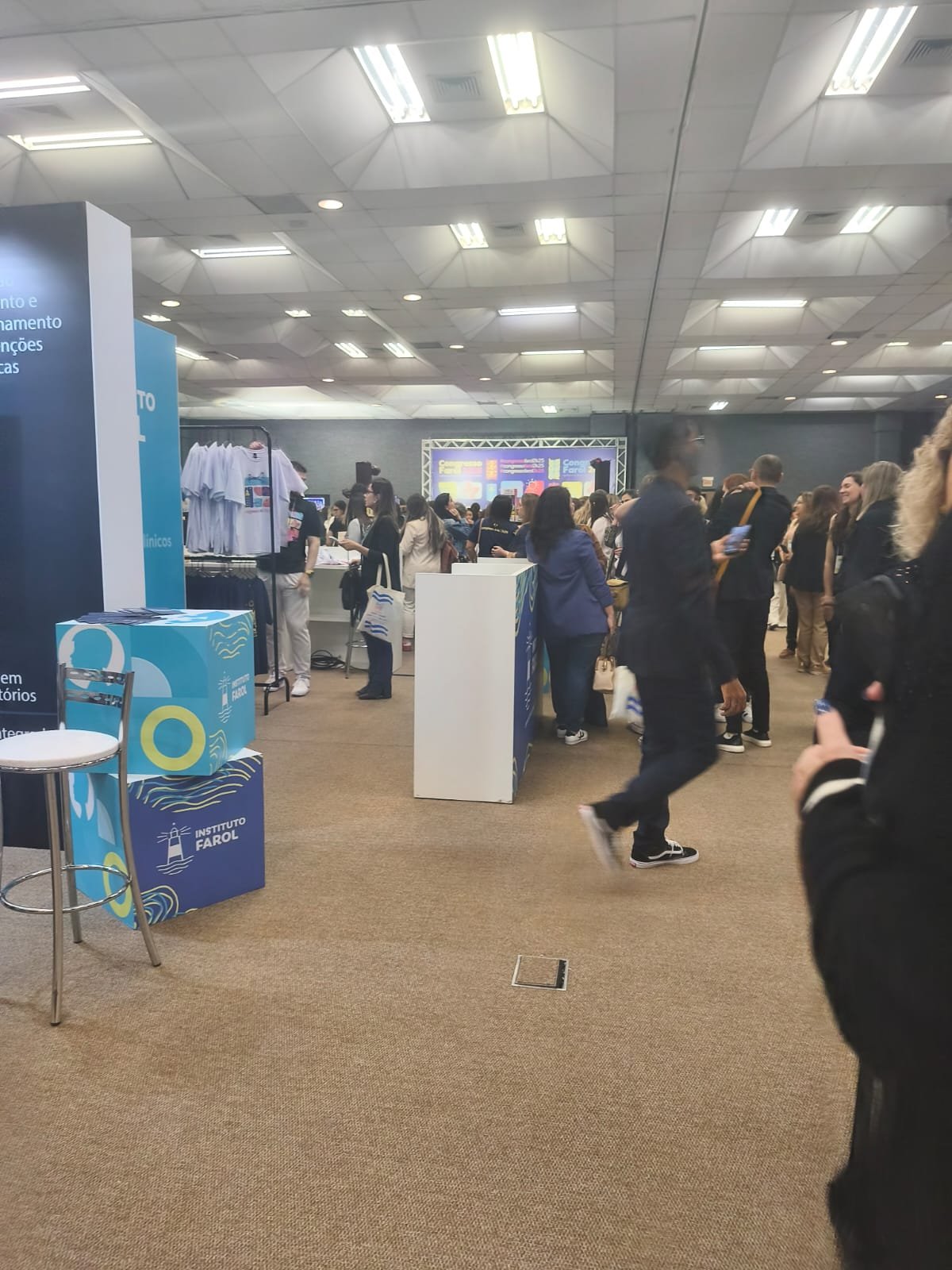
They were Two very intense days....with a lot of shared knowledge, numerous lectures, and a large audience. Right upon arrival, I confess that... I became apprehensive. with the number of people and some organizational flaws at the entrance.
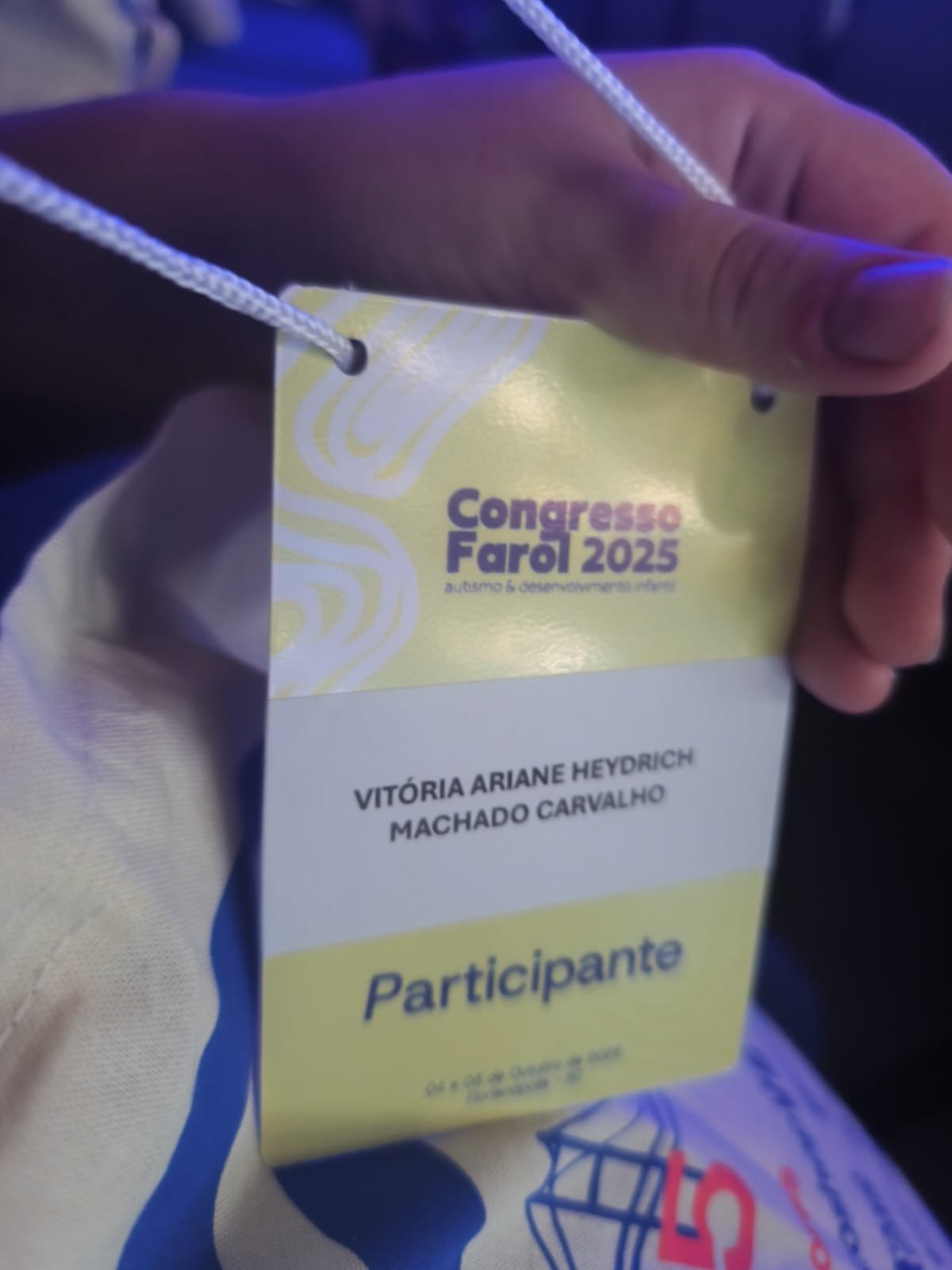
The process was: first, speak to a customer service representative and inform them of the... CPF; then, go to the counter to pick up the welcome kitThe problem is that There was no defined queue. and almost no signage — forming a “gathering”. On the counter, the divisions by letters were indicated in small, handwritten signs, which made reading from a distance difficult and increased the anxiety of those who needed it. predictability and clear visual guidance.
Delay on the first day: the start of the programming It was quite delayed.which caused discomfort: the entire day's agenda was pushed back and the end also It ended later than expected. For those who organize routines in advance (especially autistic people and their families), punctuality directly impacts the experience. ⏰
Parking: the parking lot was paid separately (location fee), outdoorand it cost R$ 40. There were no reserved spaces for people with disabilities. neither exemptionFurthermore, the The pavement was made of small stones/sand., with relatively long journey to the entrance, which makes locomotion difficult for wheelchair users And for those with reduced mobility. 🚗♿
Accessibility of the space: signage, mobility and restrooms ♿
In the upper areas — where the central hall, auxiliary rooms (workshops), decompression room, bathrooms, Escape Room and exhibitors — We were instructed to use the stairs.I was only informed of this after asking about it later. There were elevators.. There was a lack of clear signage. Indicating elevators and accessible routes. ✅ Visual signage and simple maps They make a big difference in reducing stress right from the start. In a public convention center, this should be a permanent standard.
One positive point: the stairs had tactile floor At every level, increasing safety and autonomy of movement for visually impaired people. 👣
Bathrooms: they had adaptations And, given the predominantly female audience, the organization transformed a men's restroom into a women's restroom—a practical solution aligned with the context. There was also Braille signThese precautions are very important. 🚻
Main hall: seating, stage and sensory resources 🎤
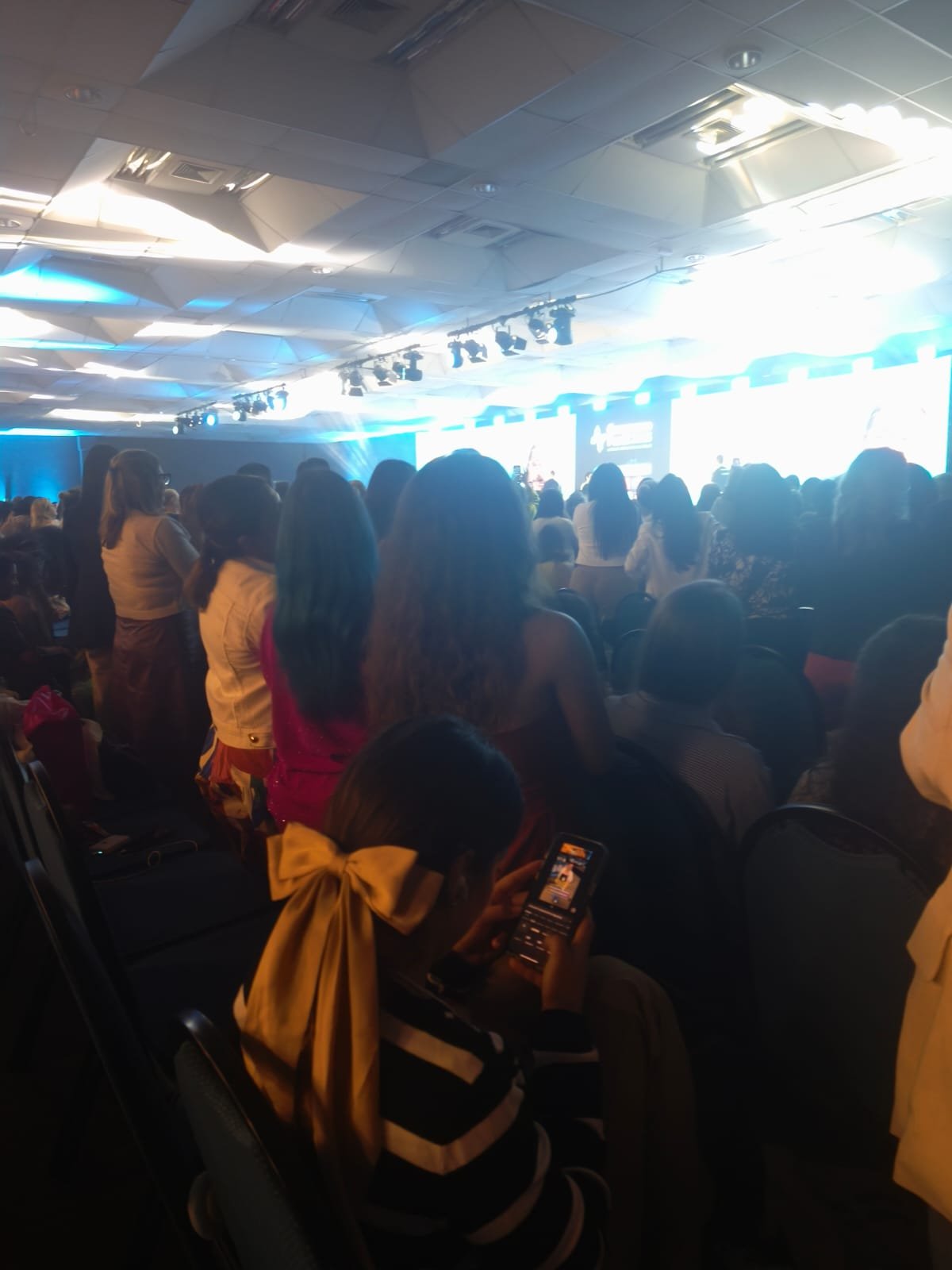
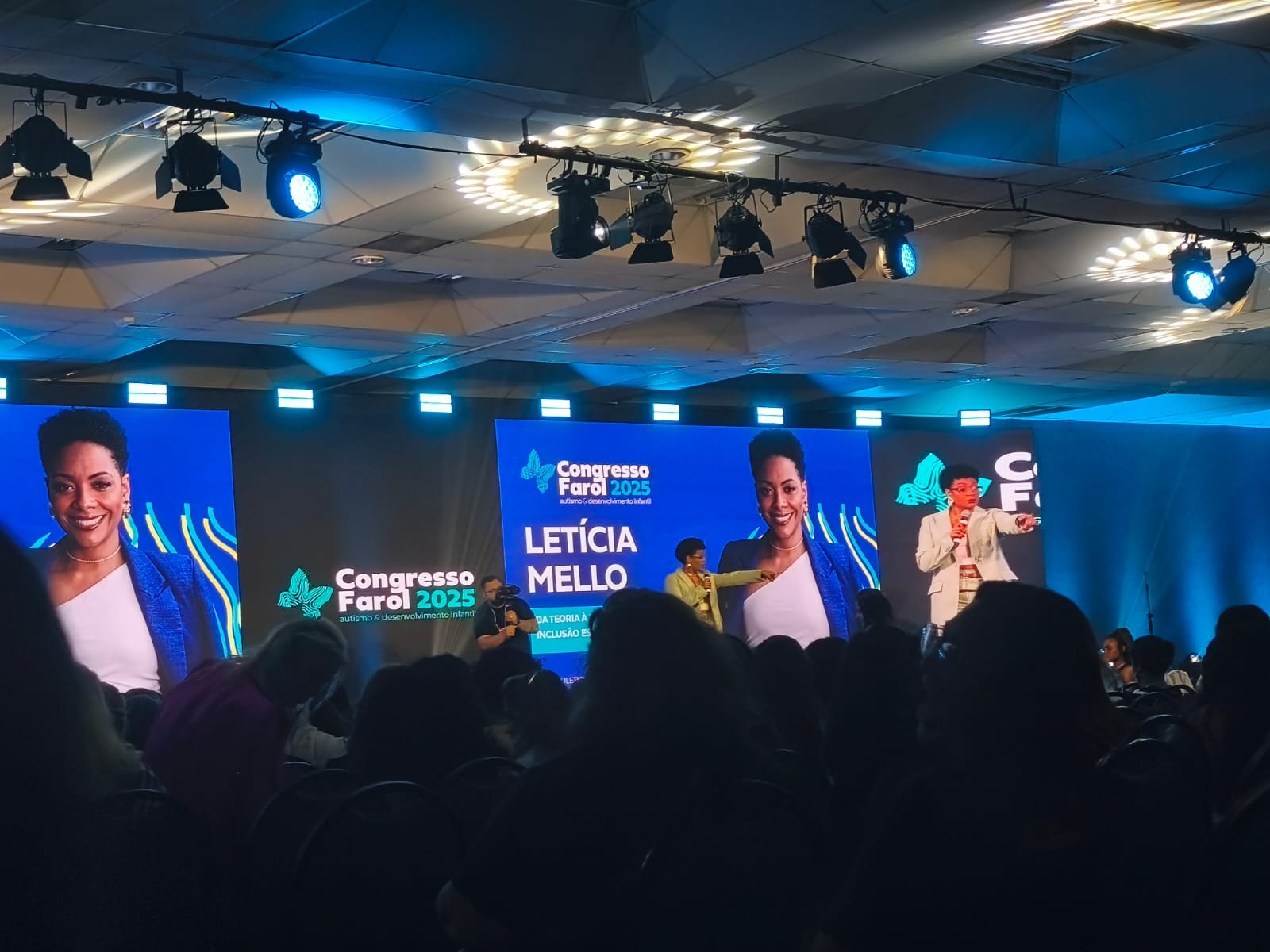
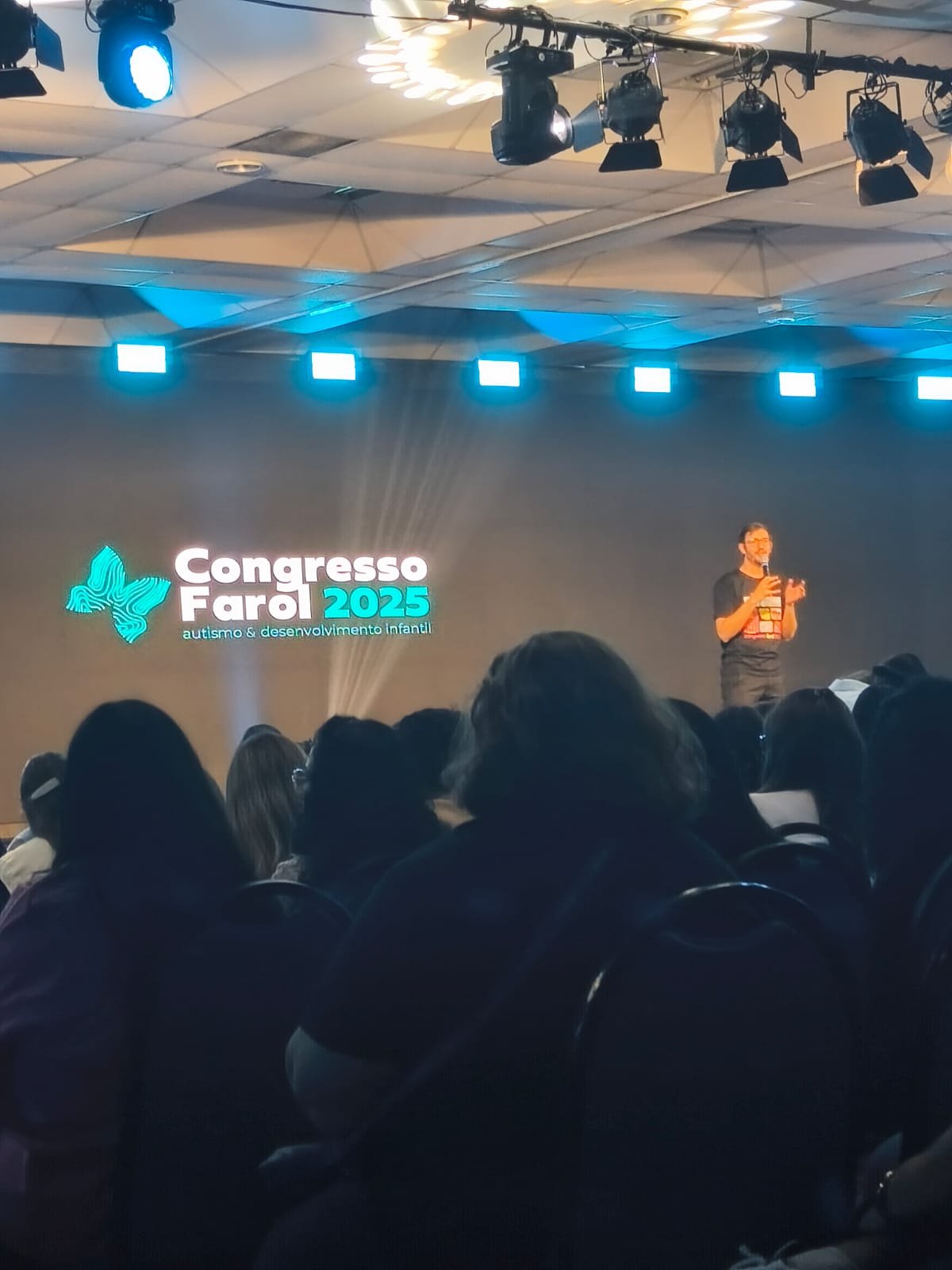
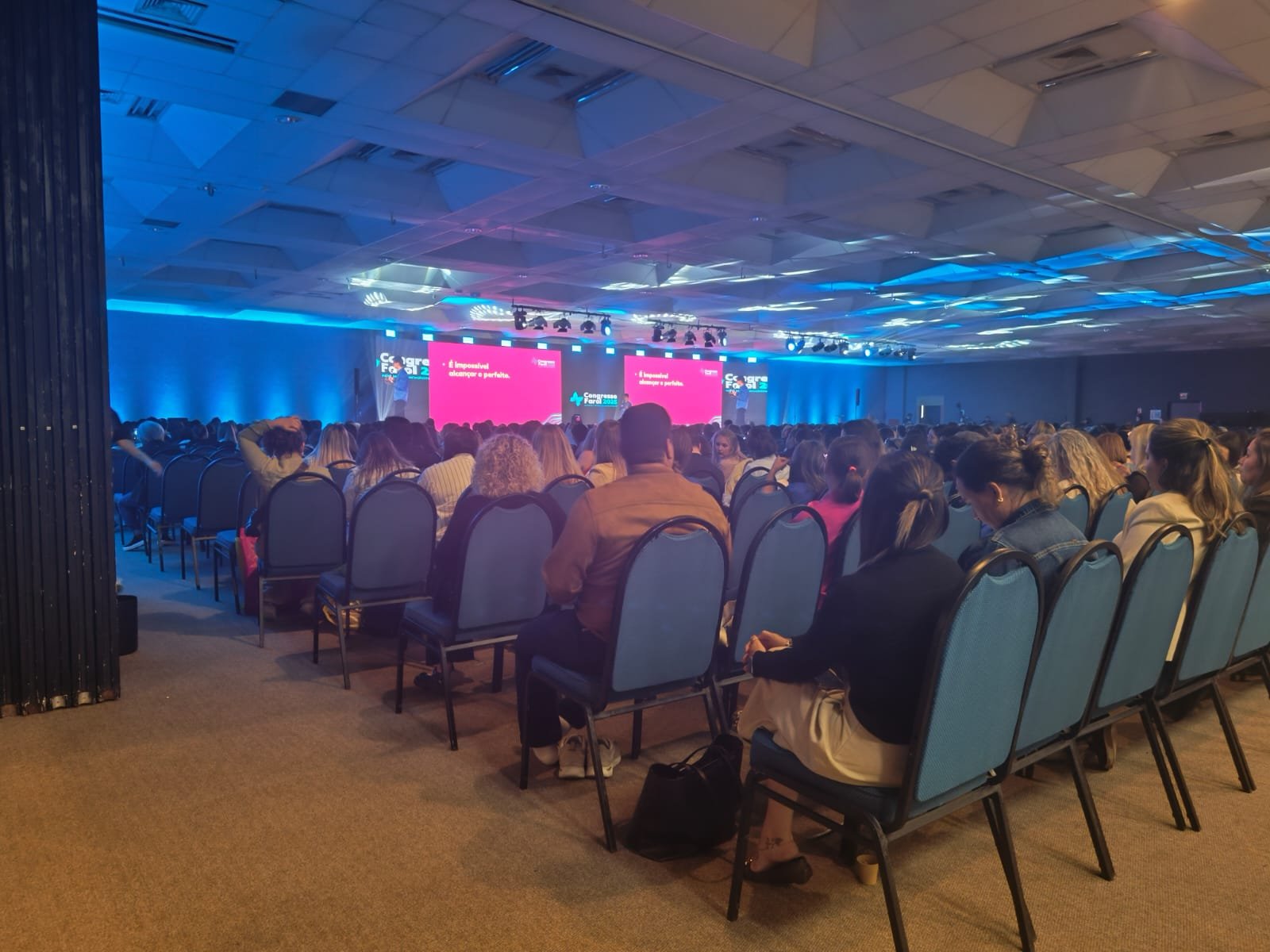
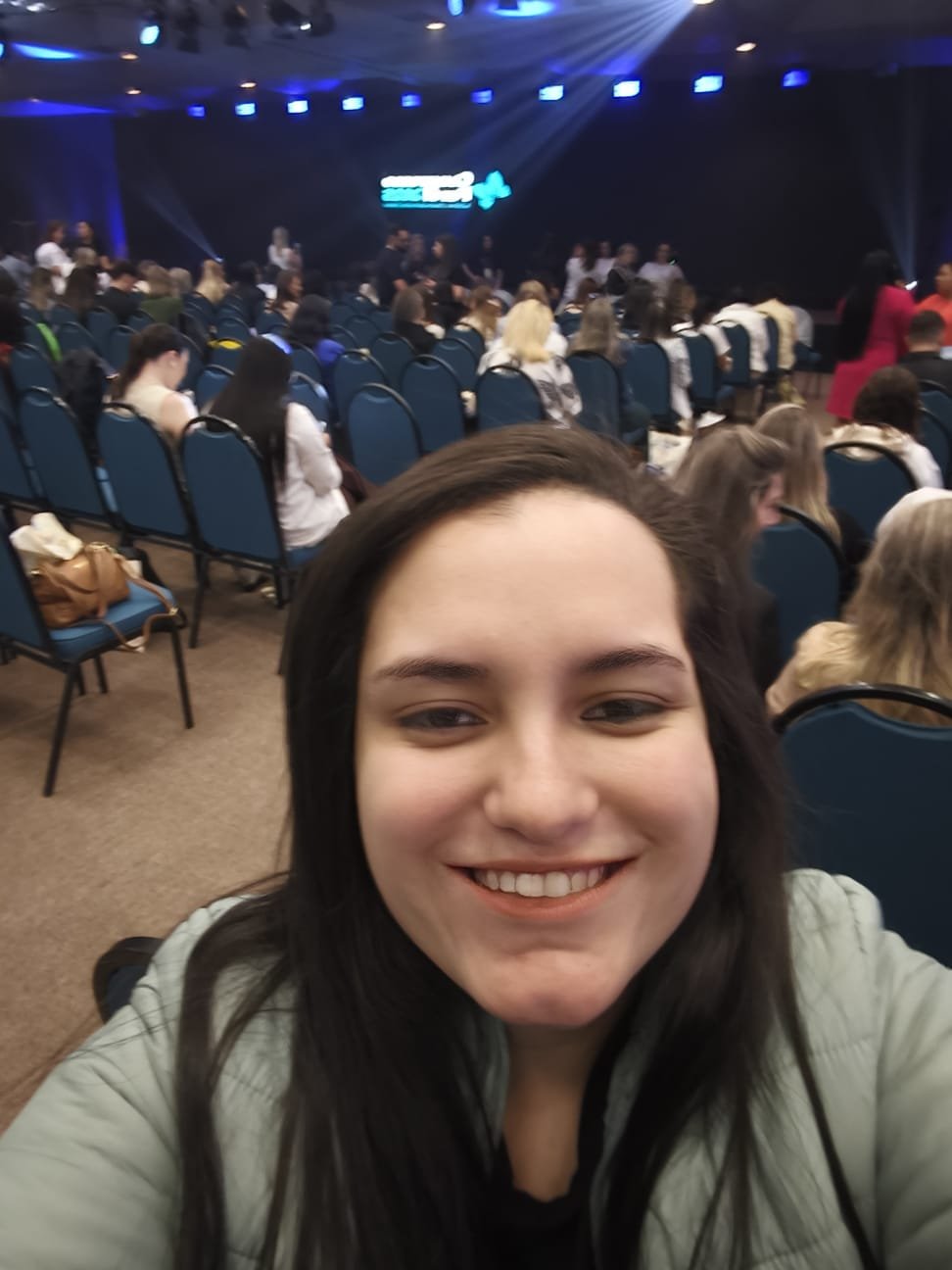
In the main hall, the chairs were upholstered, although very close from each other, without armrest and no areas reserved for people with disabilitiesSeating was on a first-come, first-served basis. In crowded events, personal space and seating options (with more distance, with or without an arm) greatly help to reduce sensory overload and anxiety.
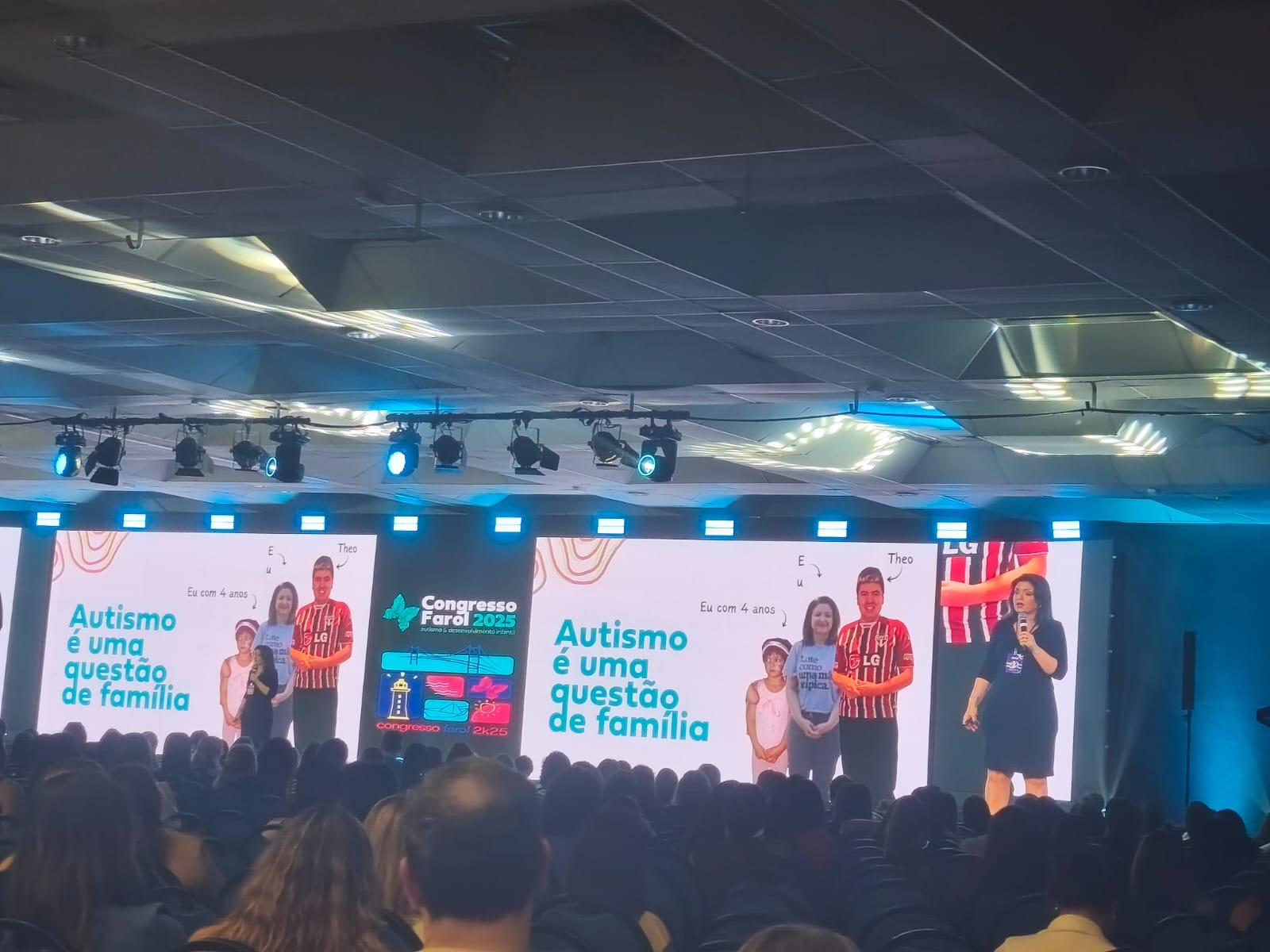
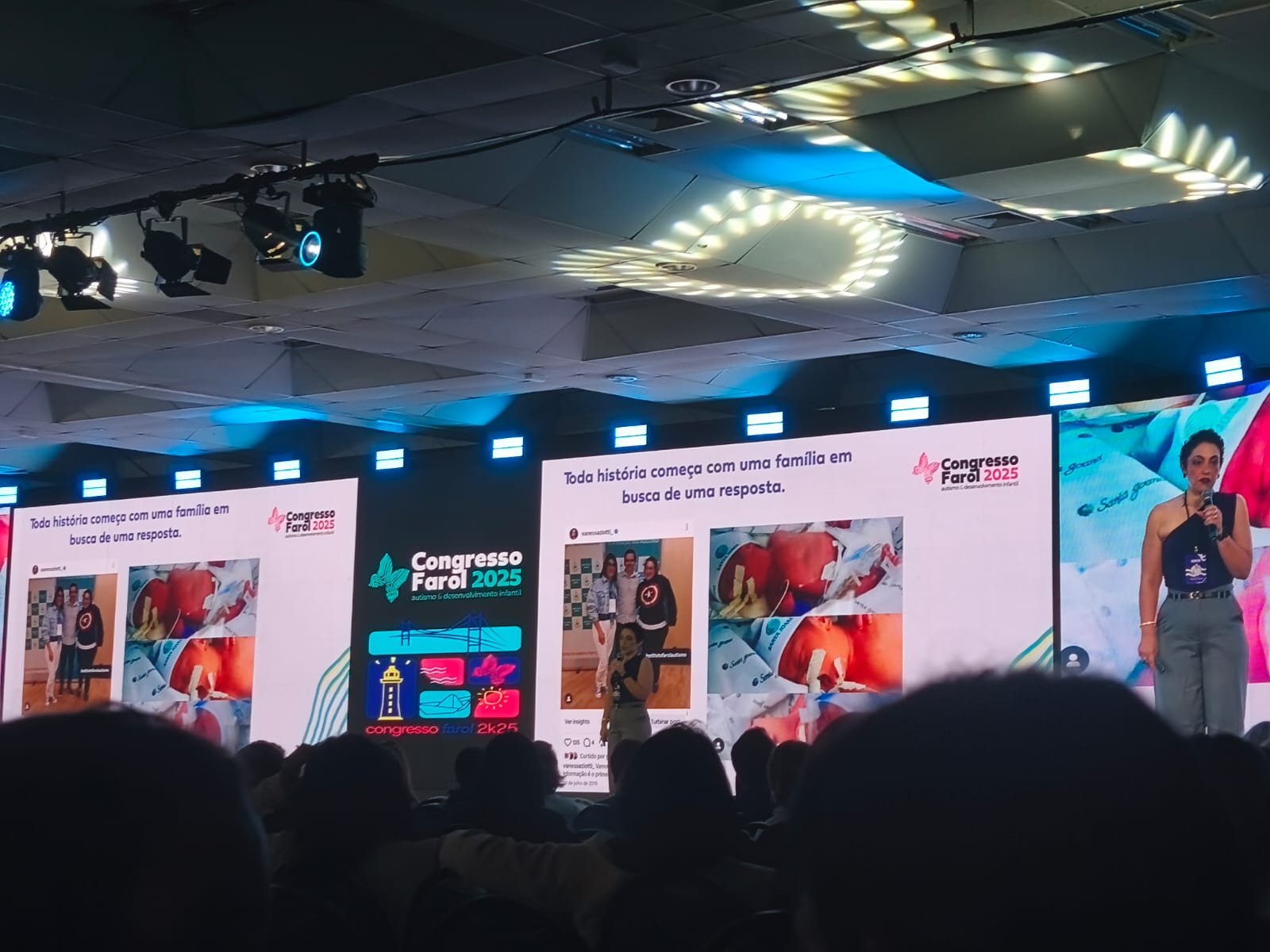
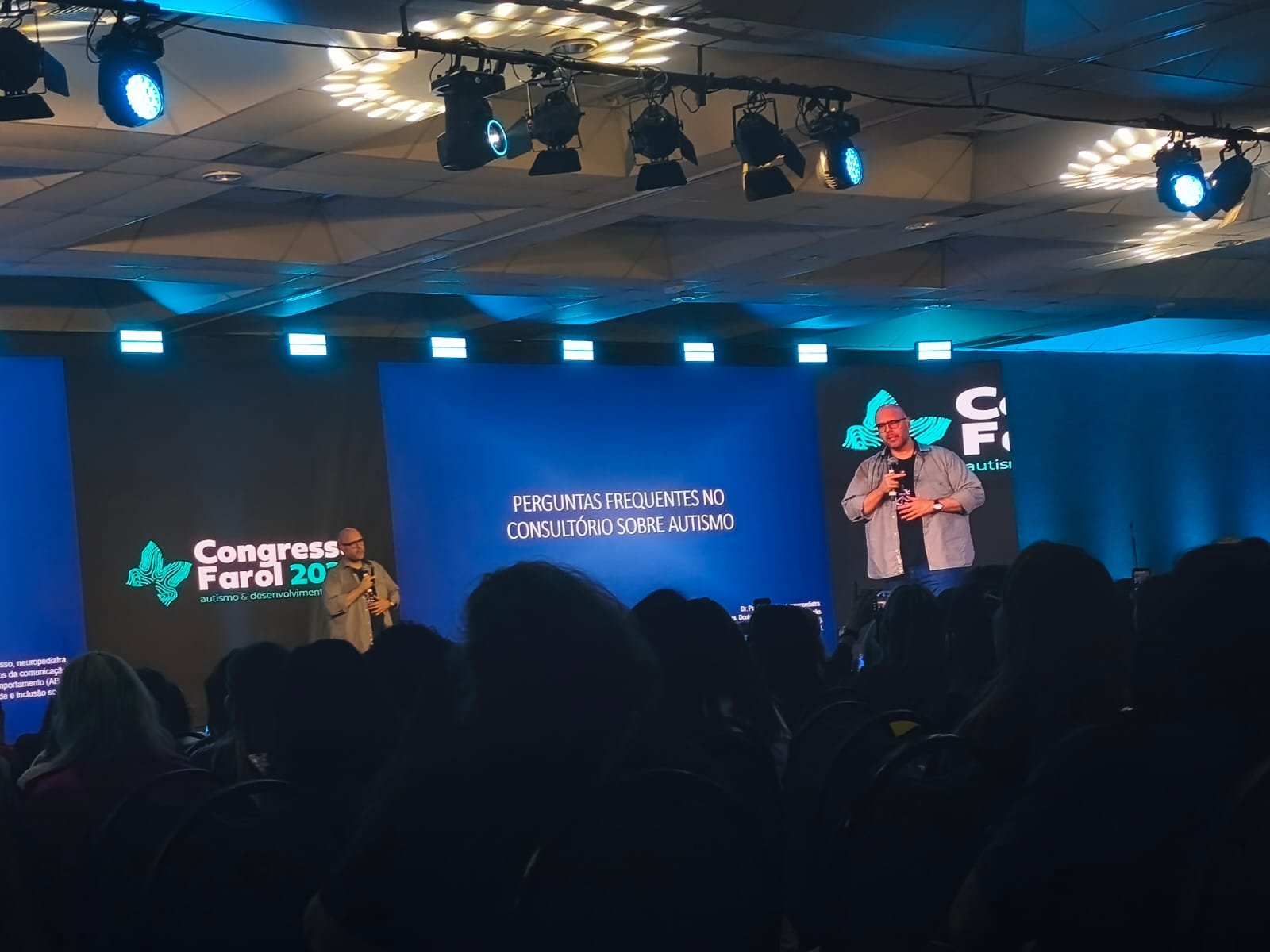
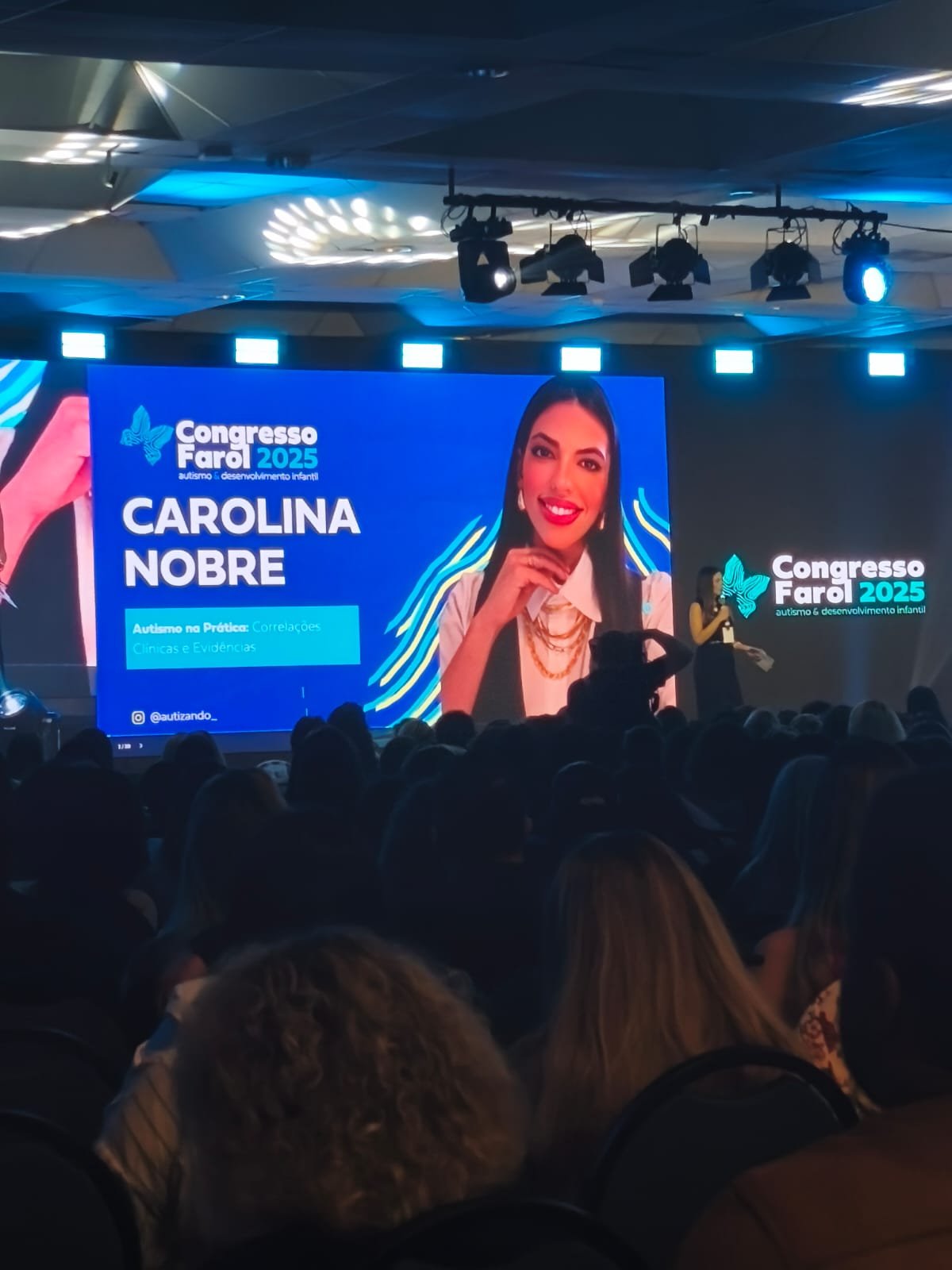
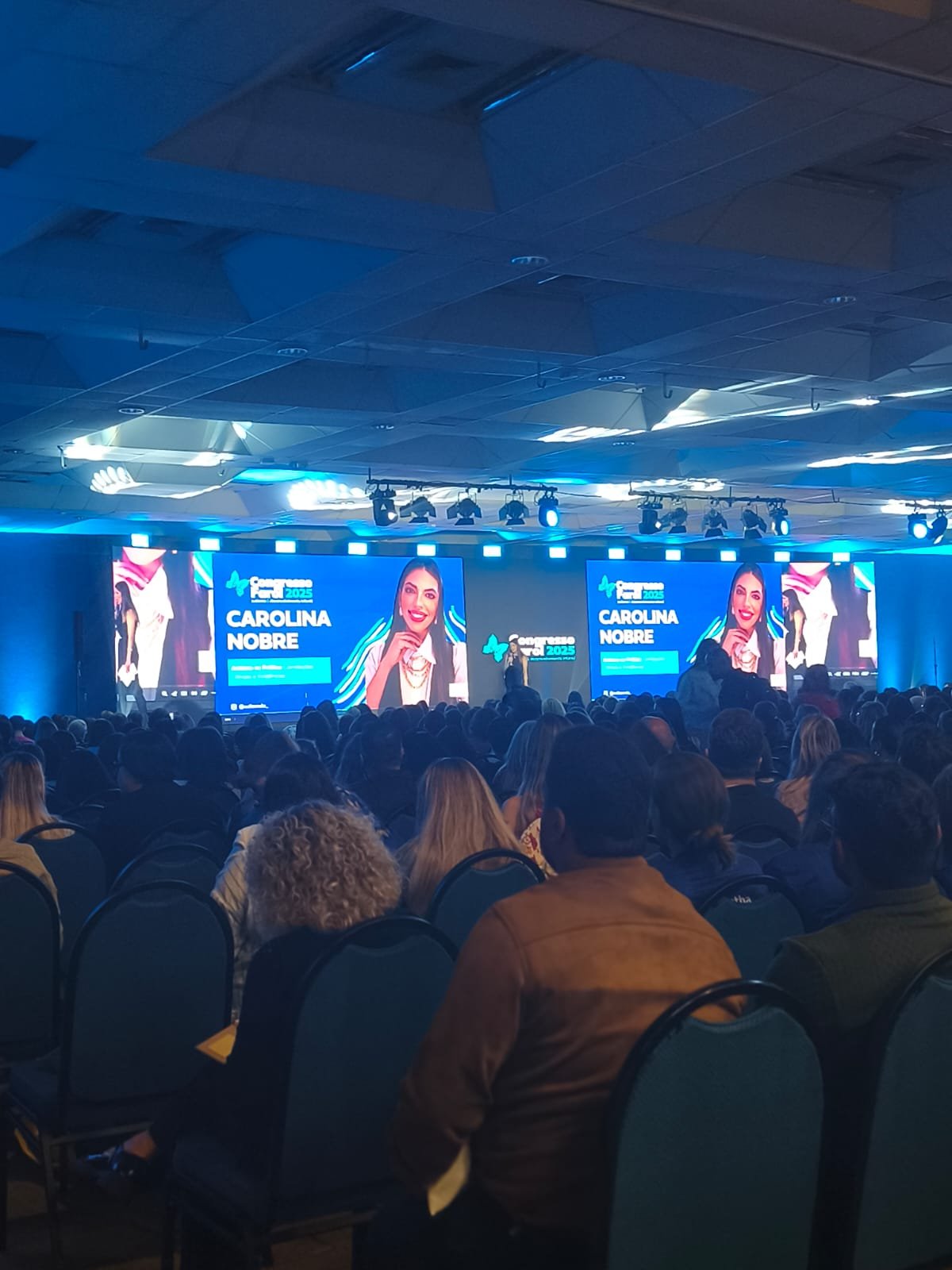
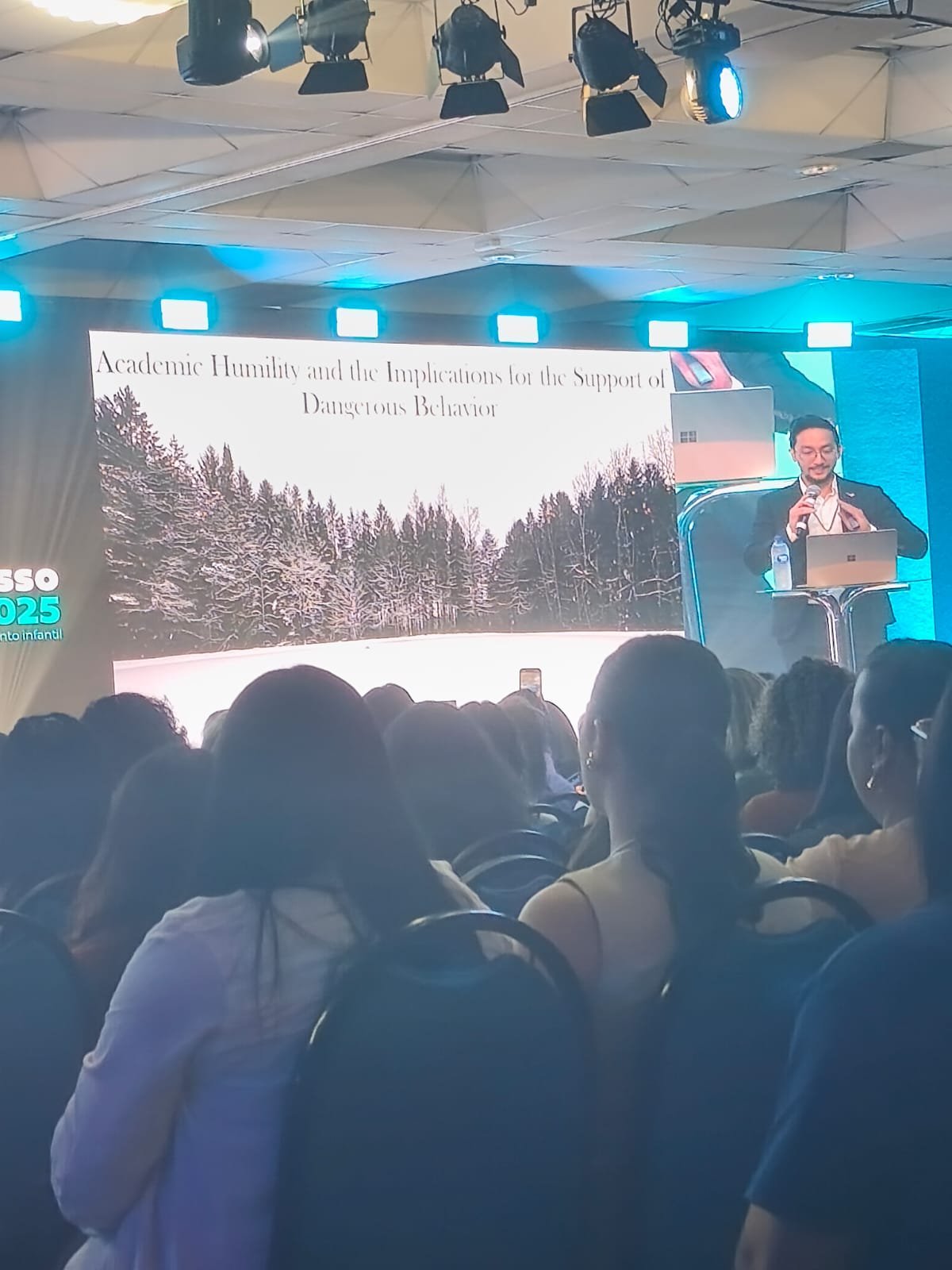
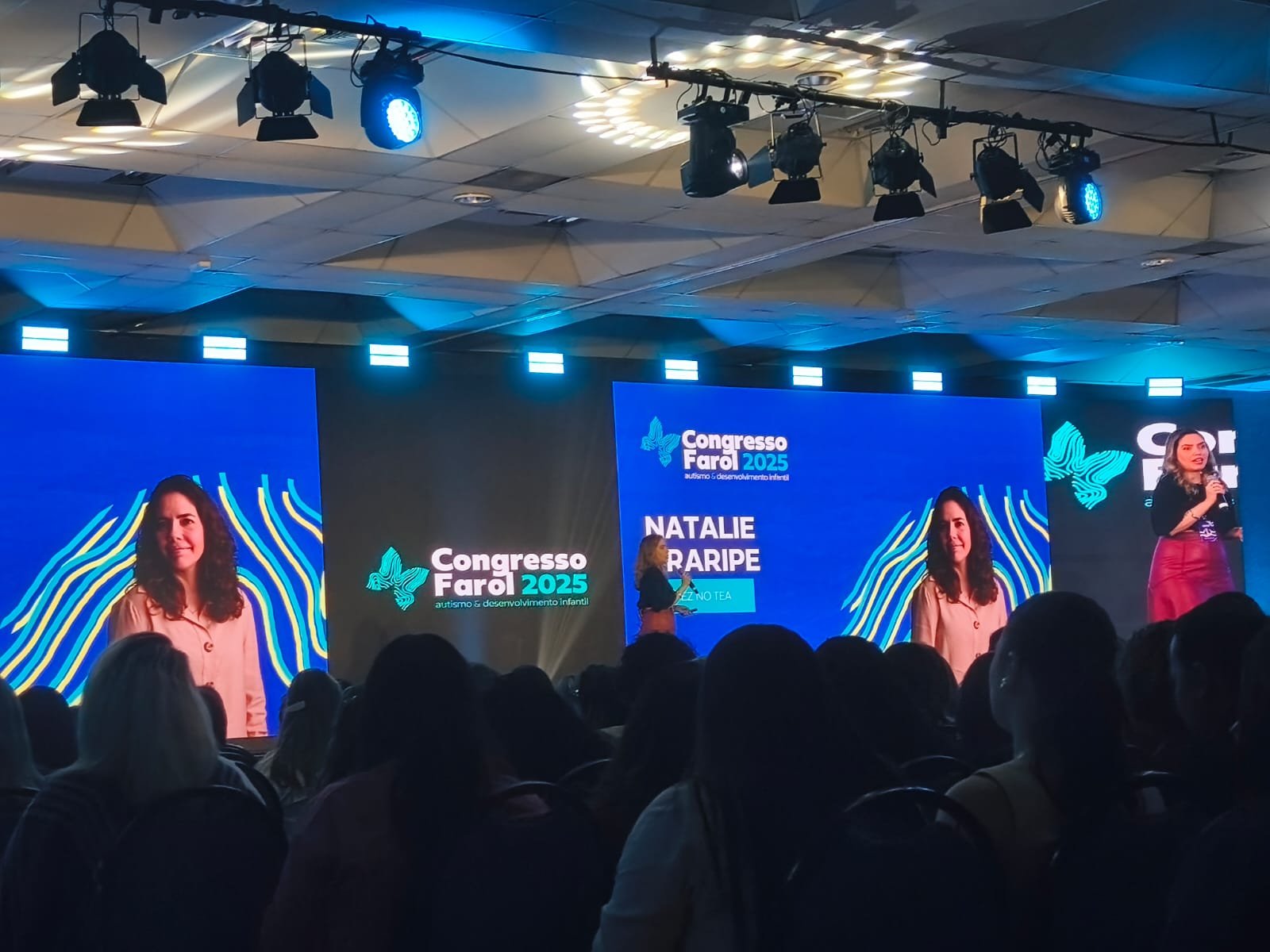
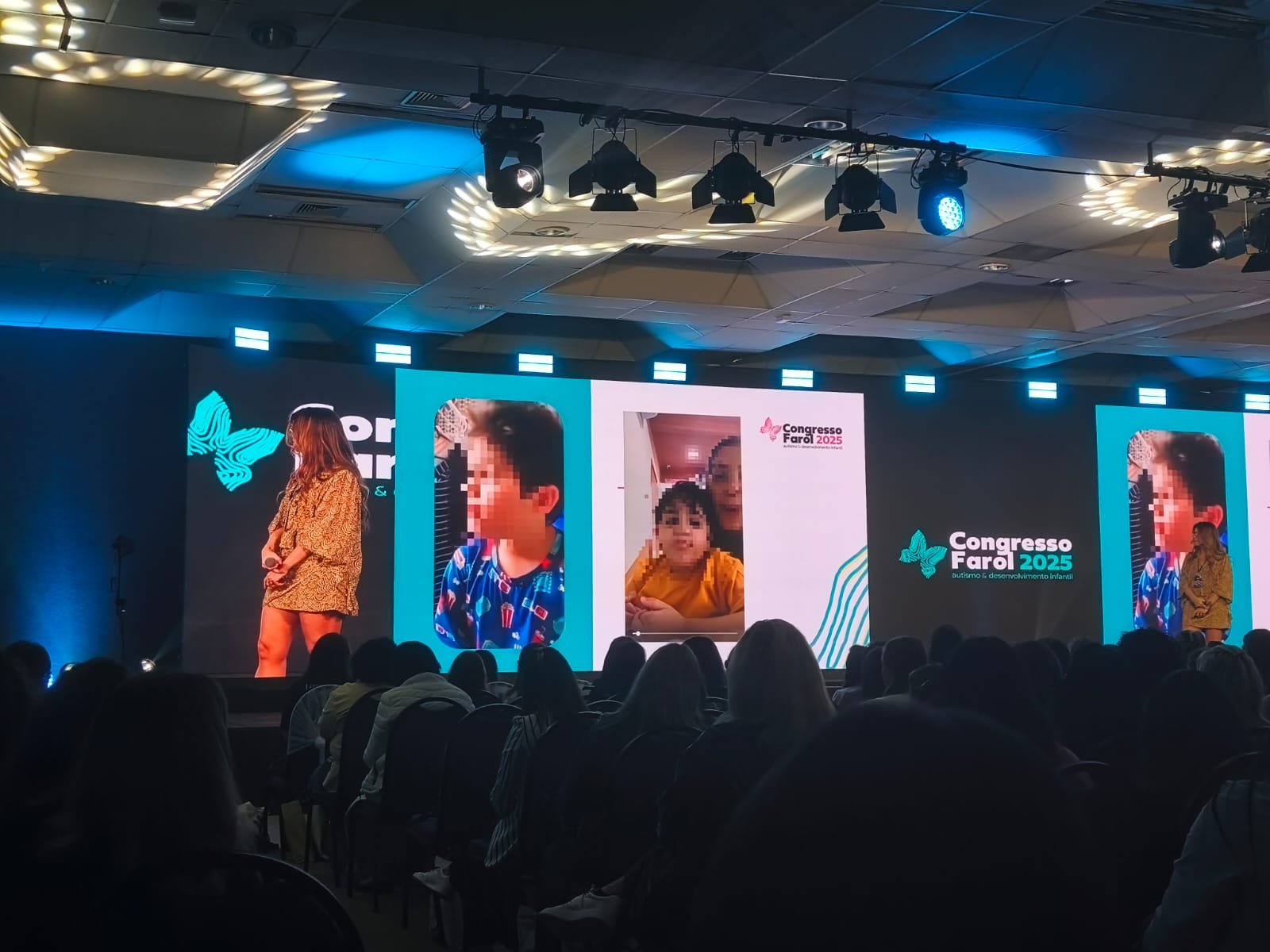
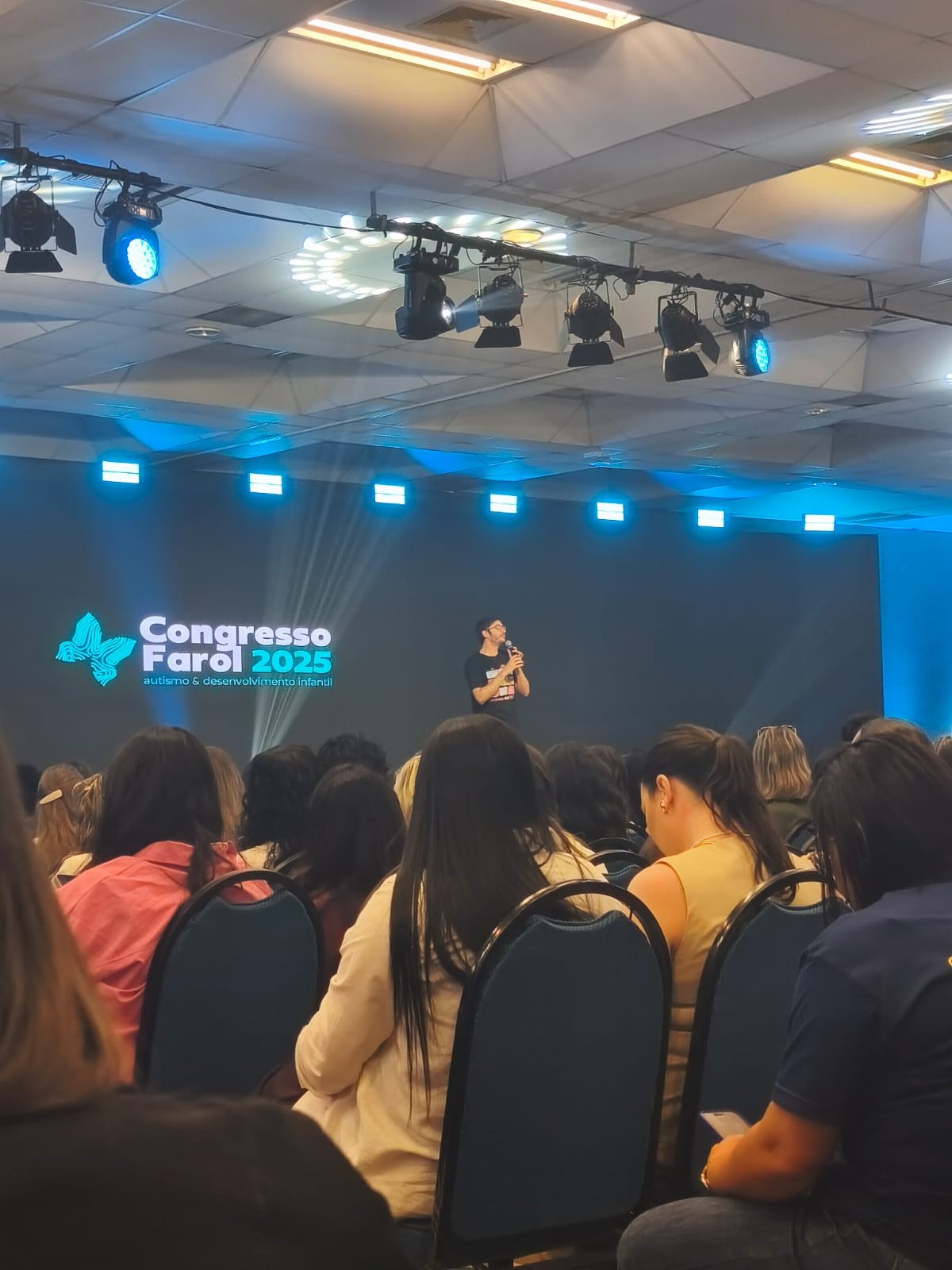
THE stage It was large, with good visual and auditory resources. However, There was no sign language interpreter. nor resources aimed at visually impaired people (such as audio description or accessible materials (available via QR Code). For a congress on inclusion, this needs to be a priority in the next edition. 🧩
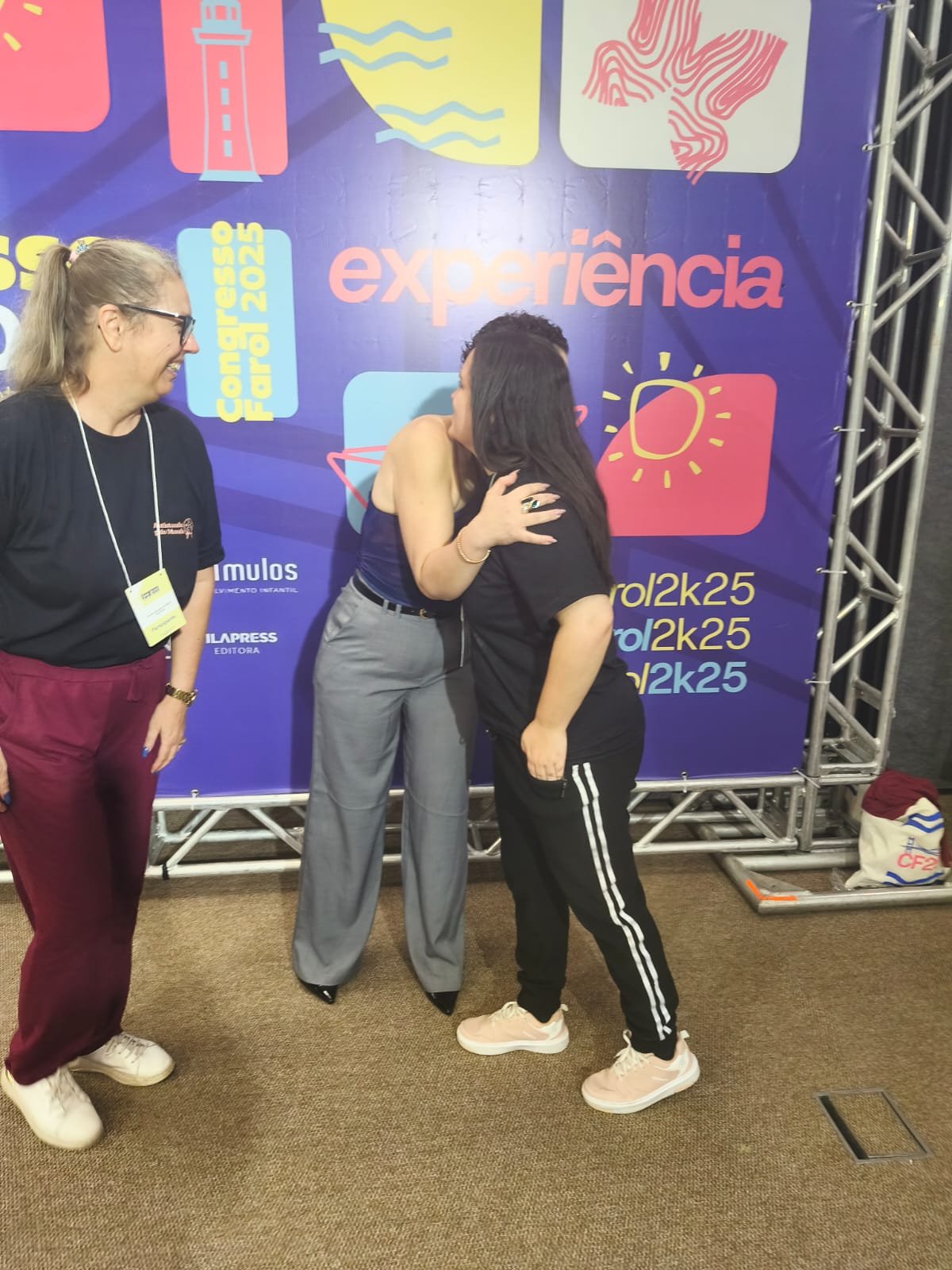
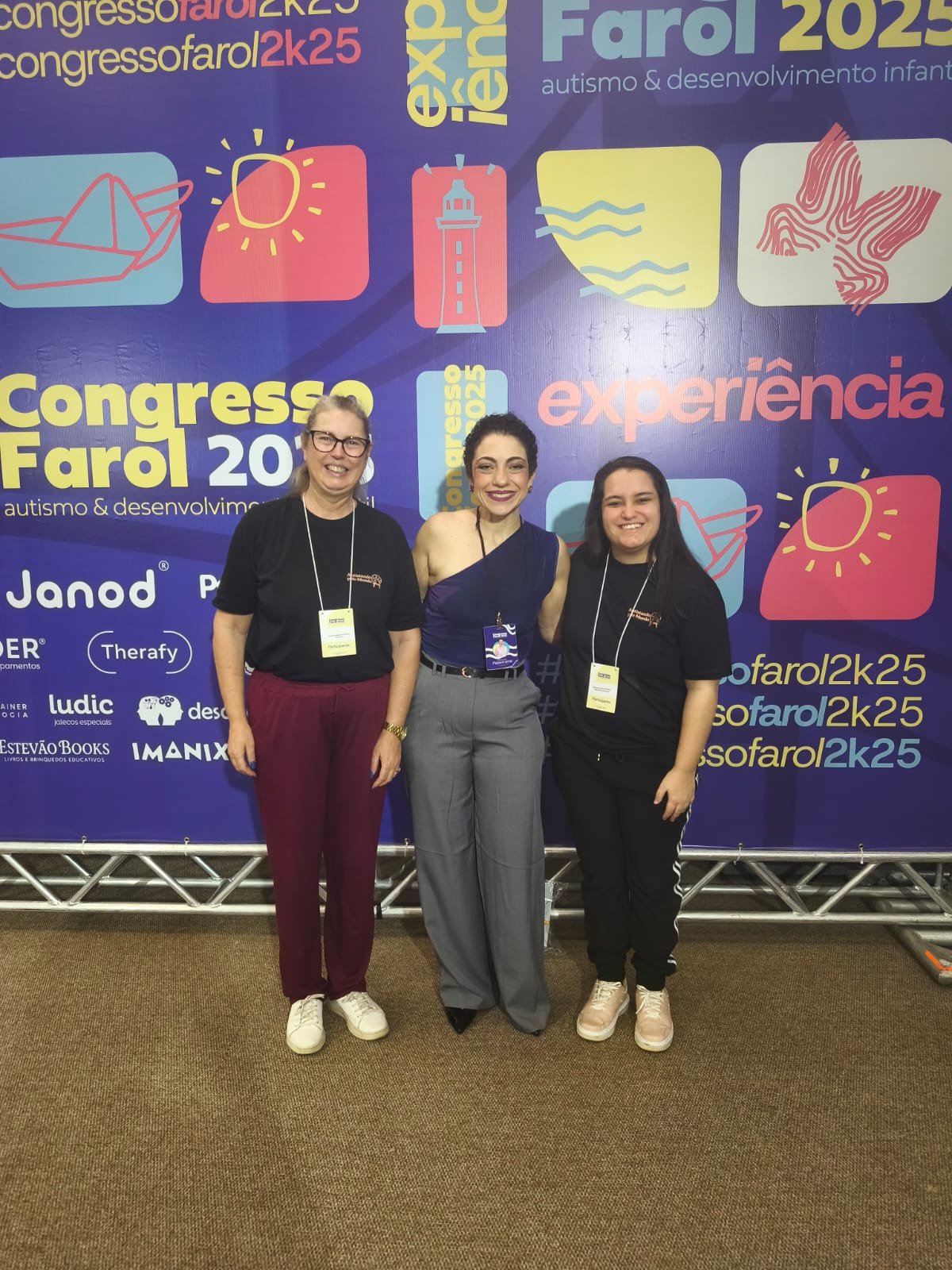
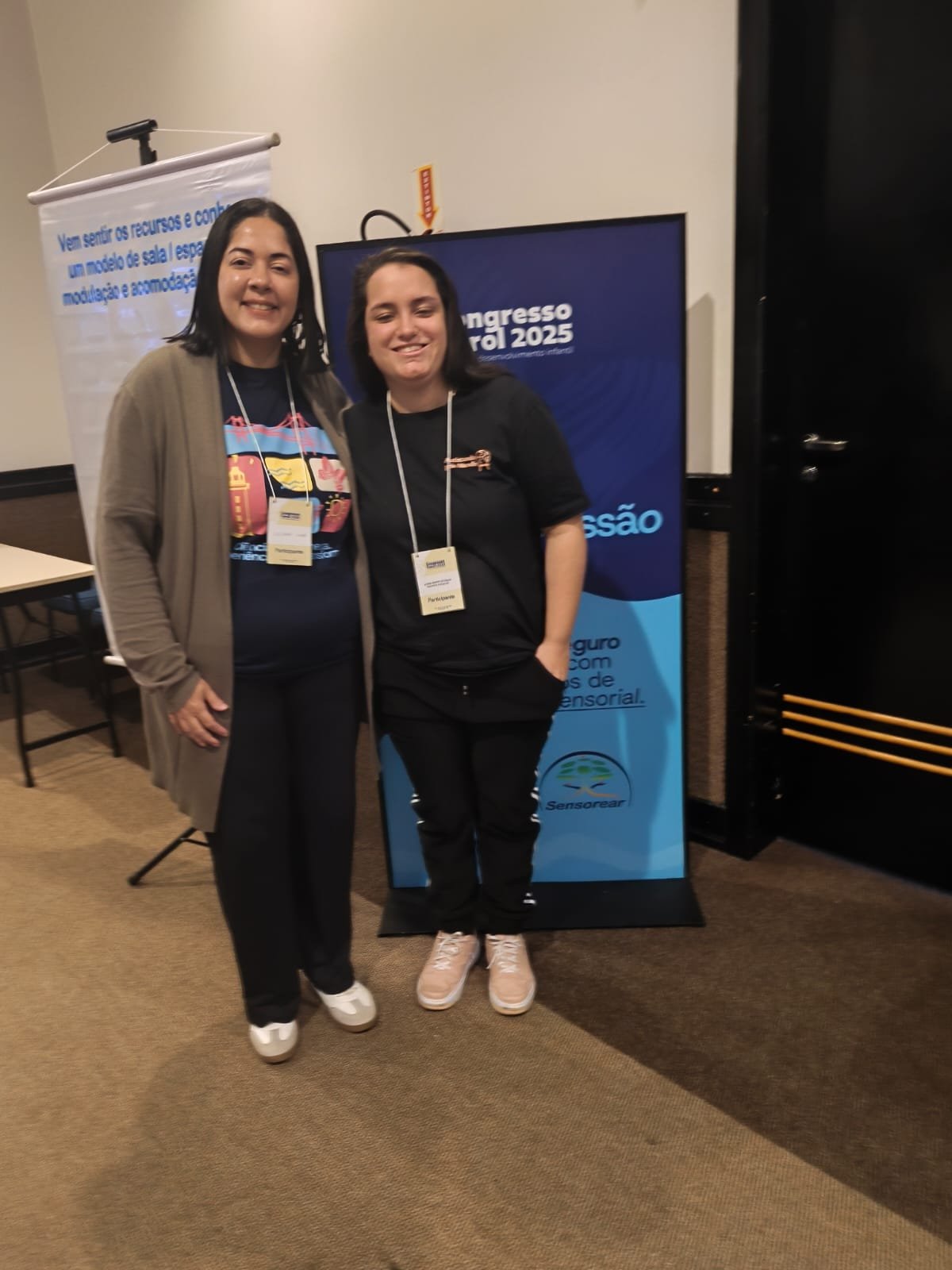
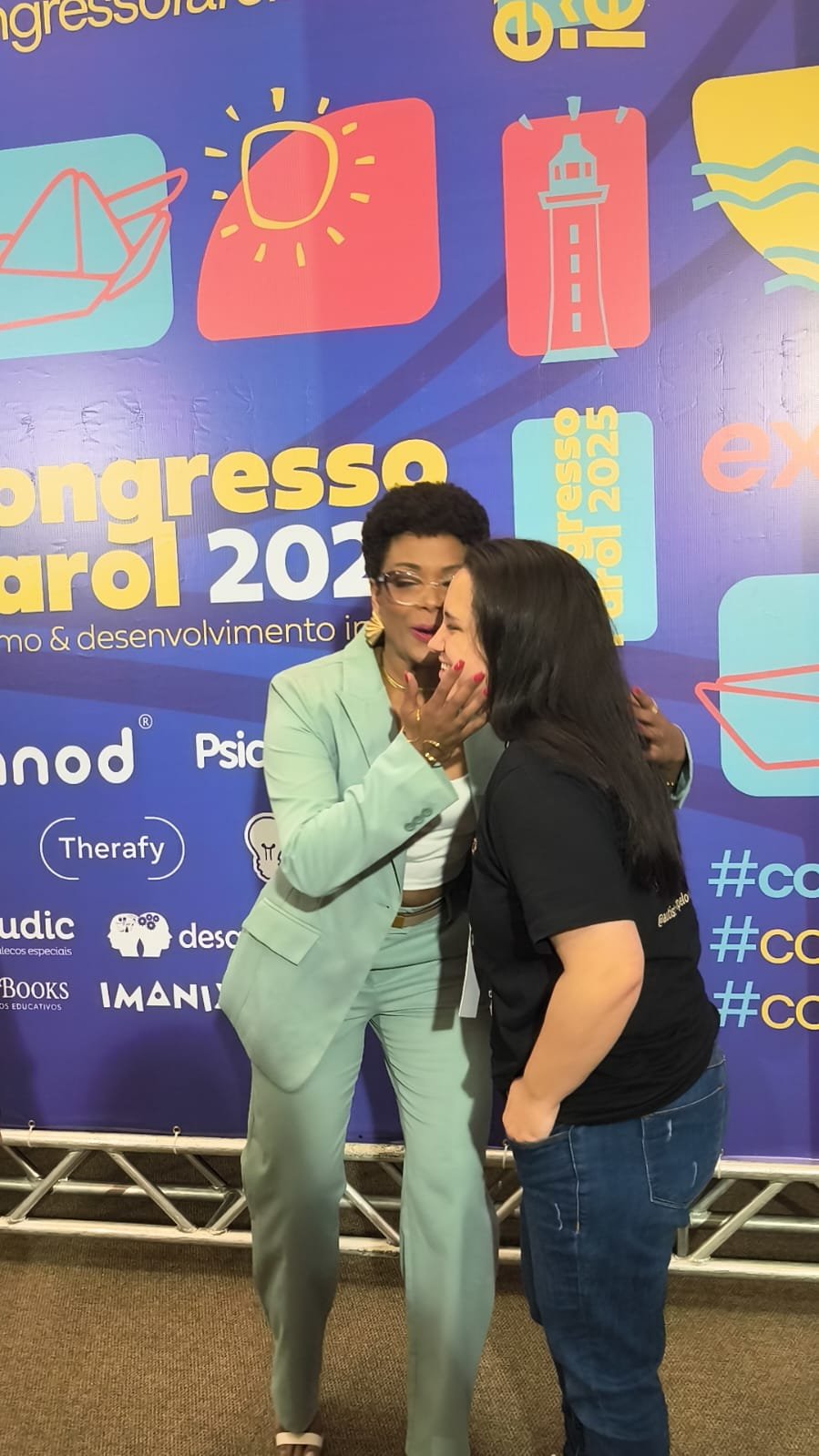
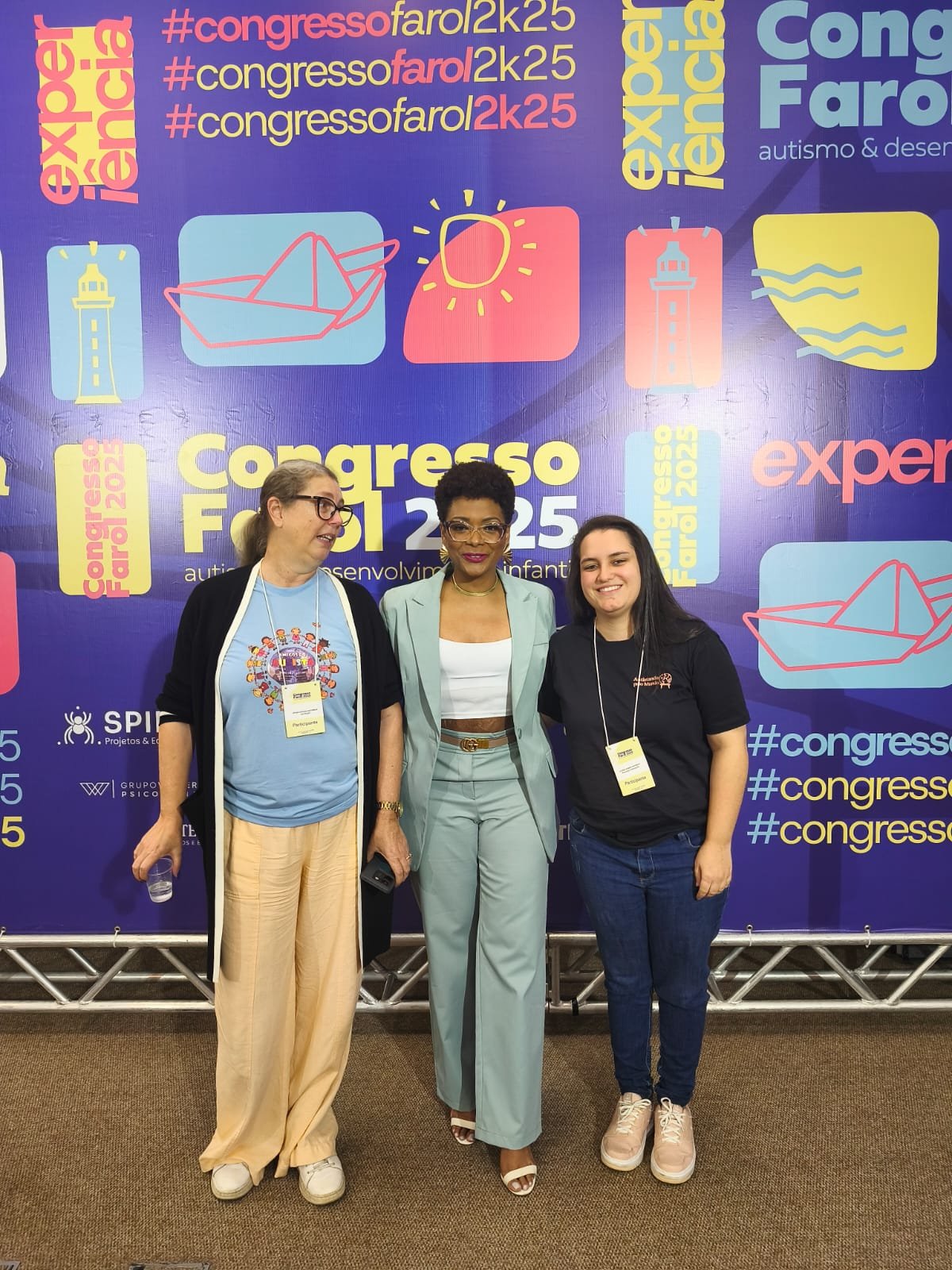
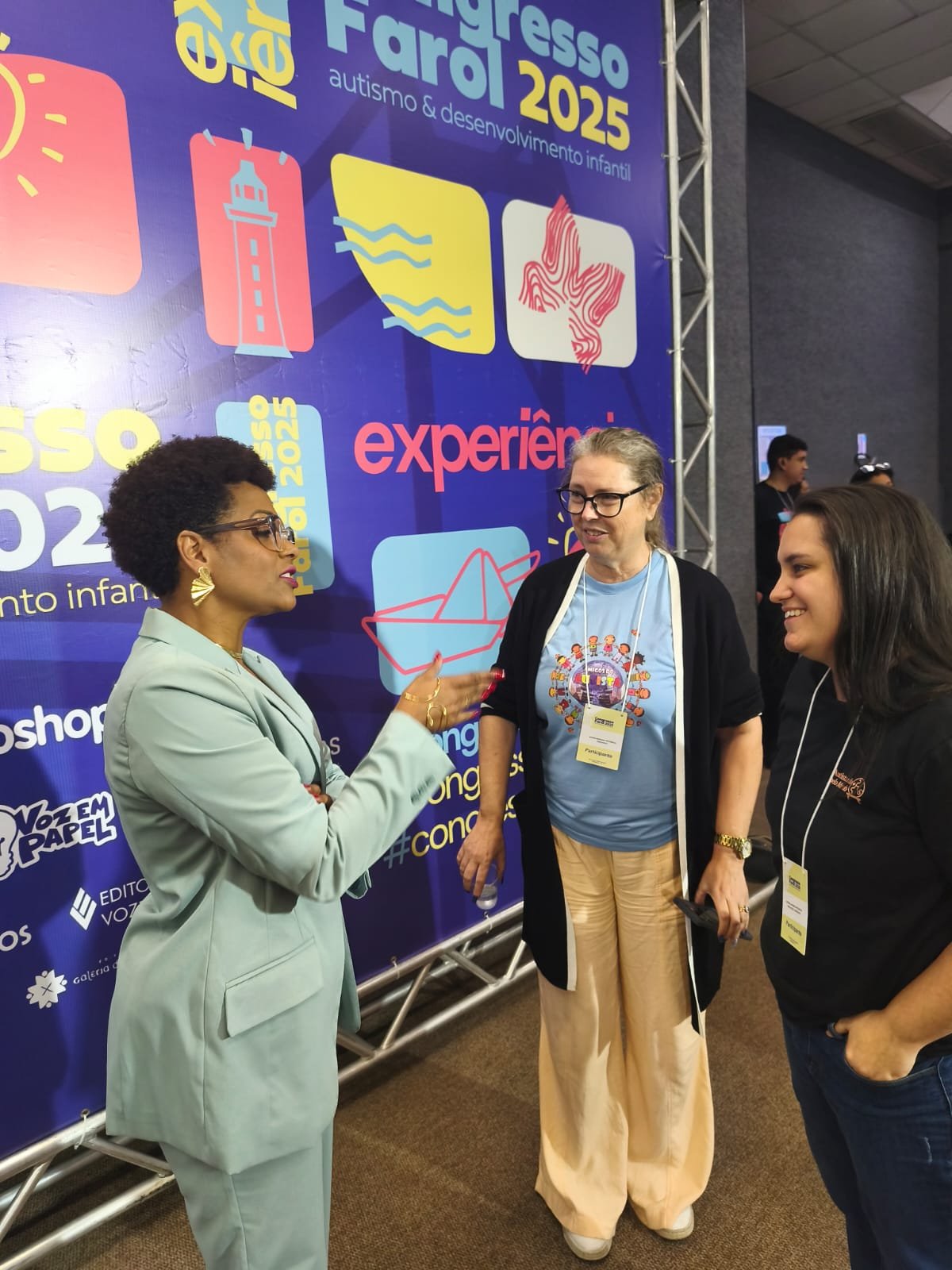
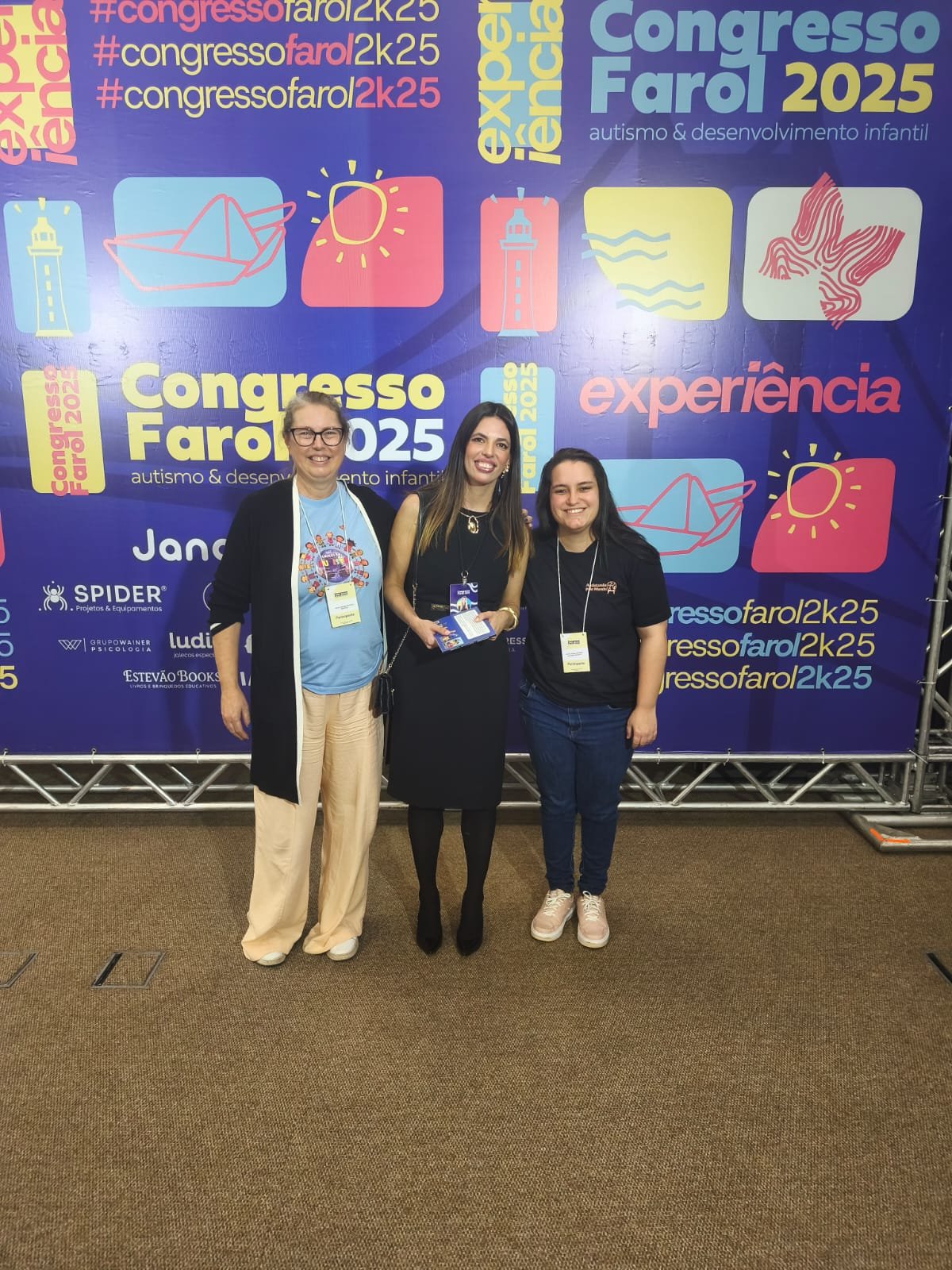
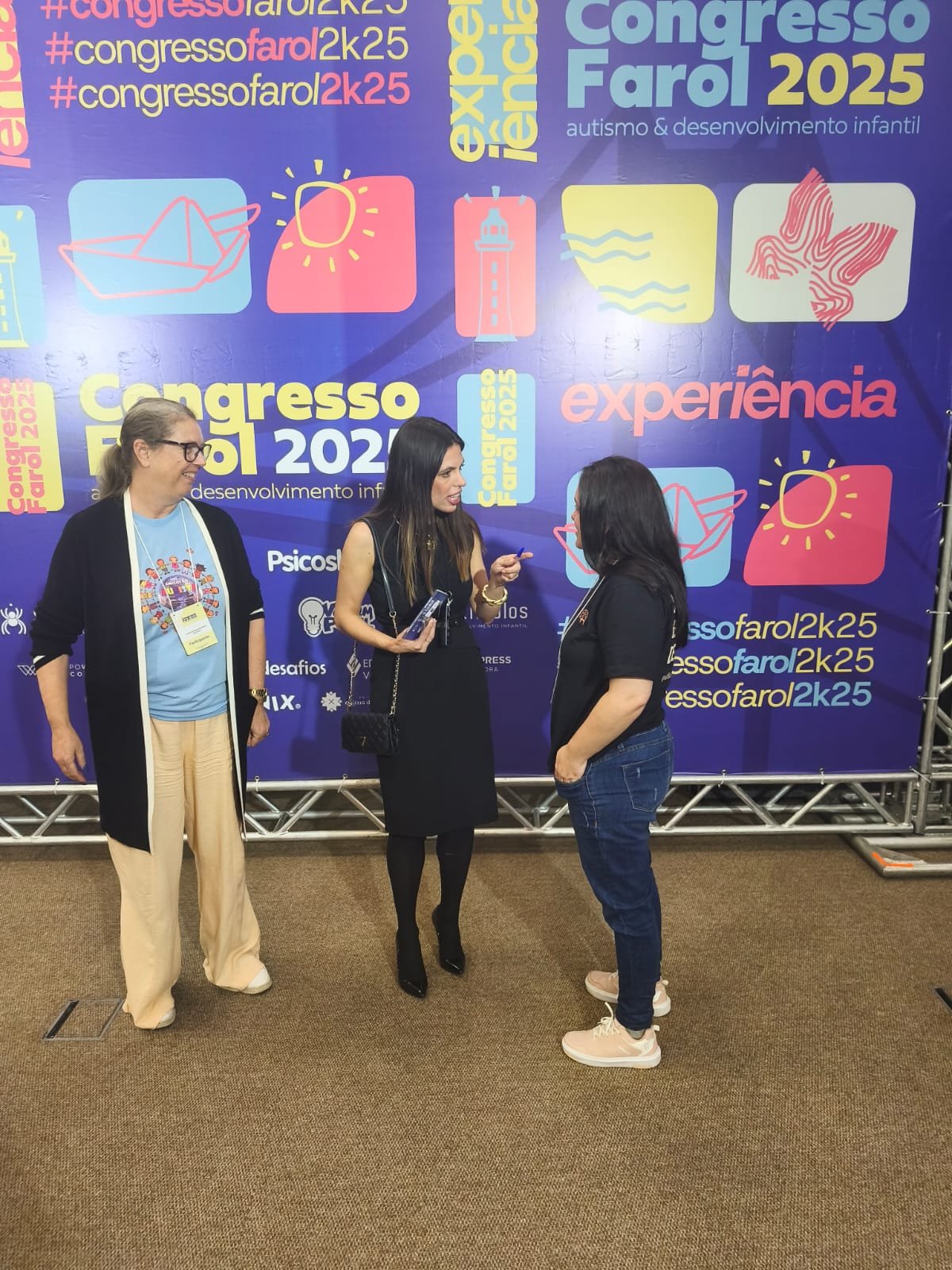
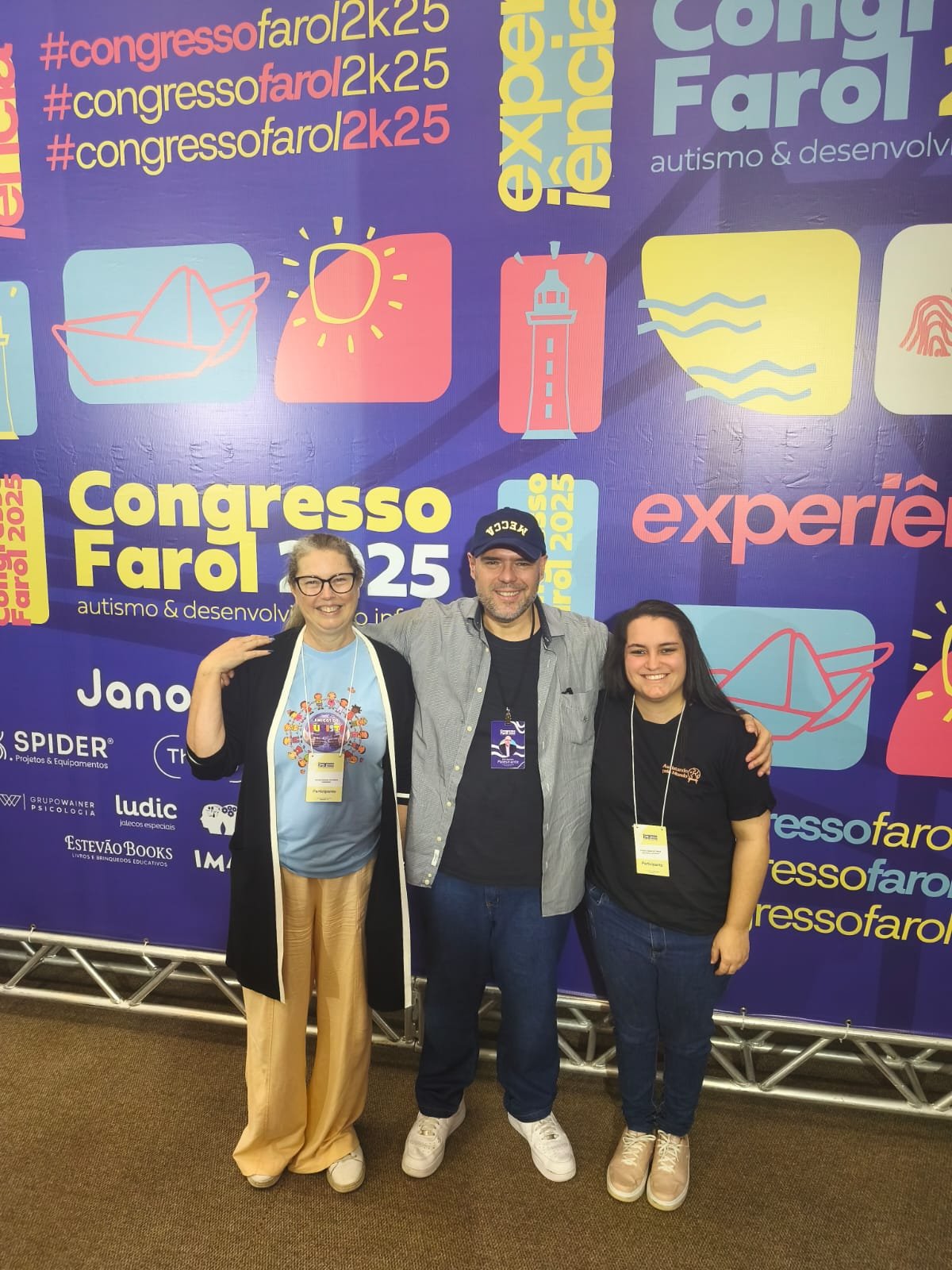
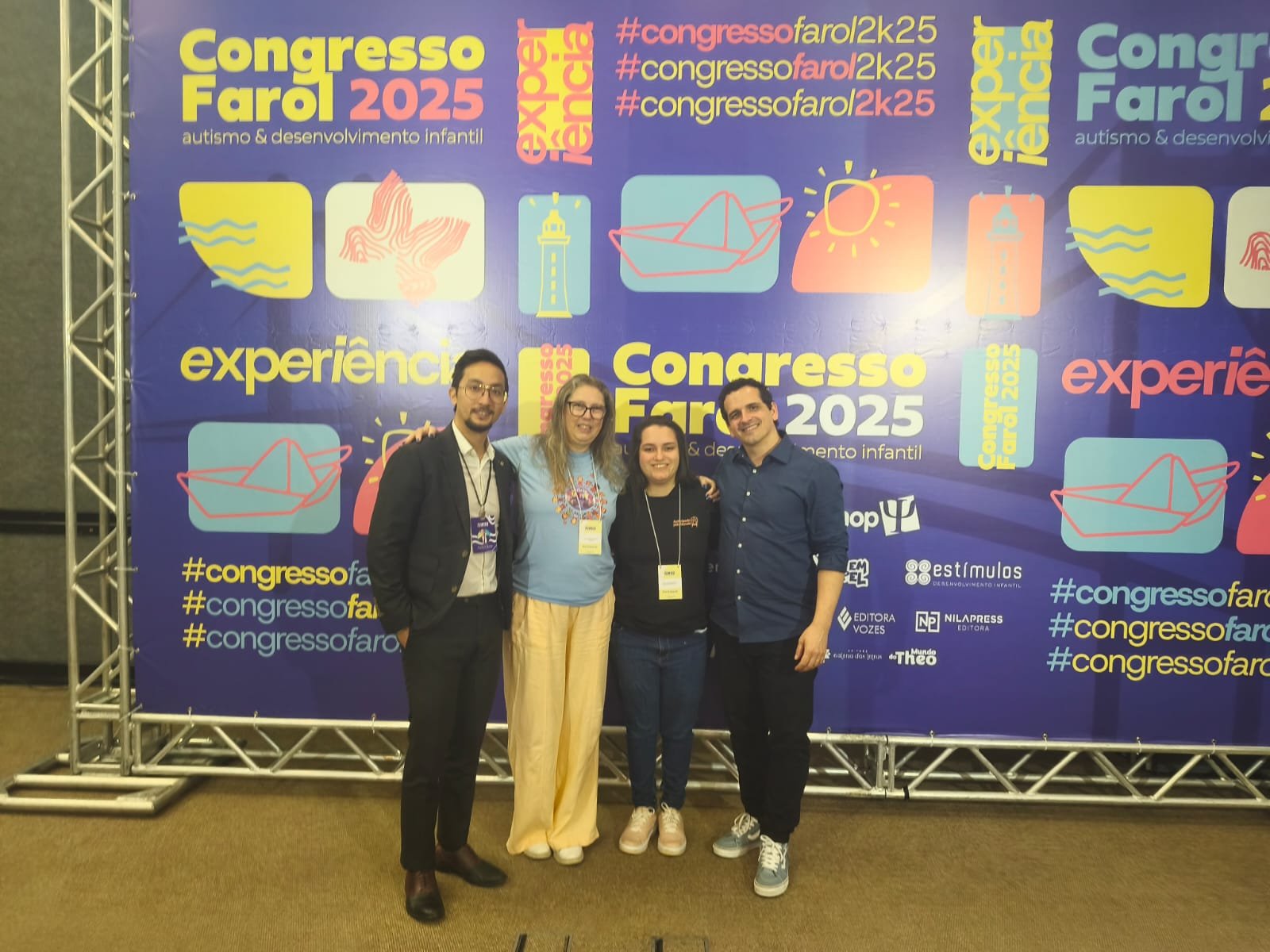
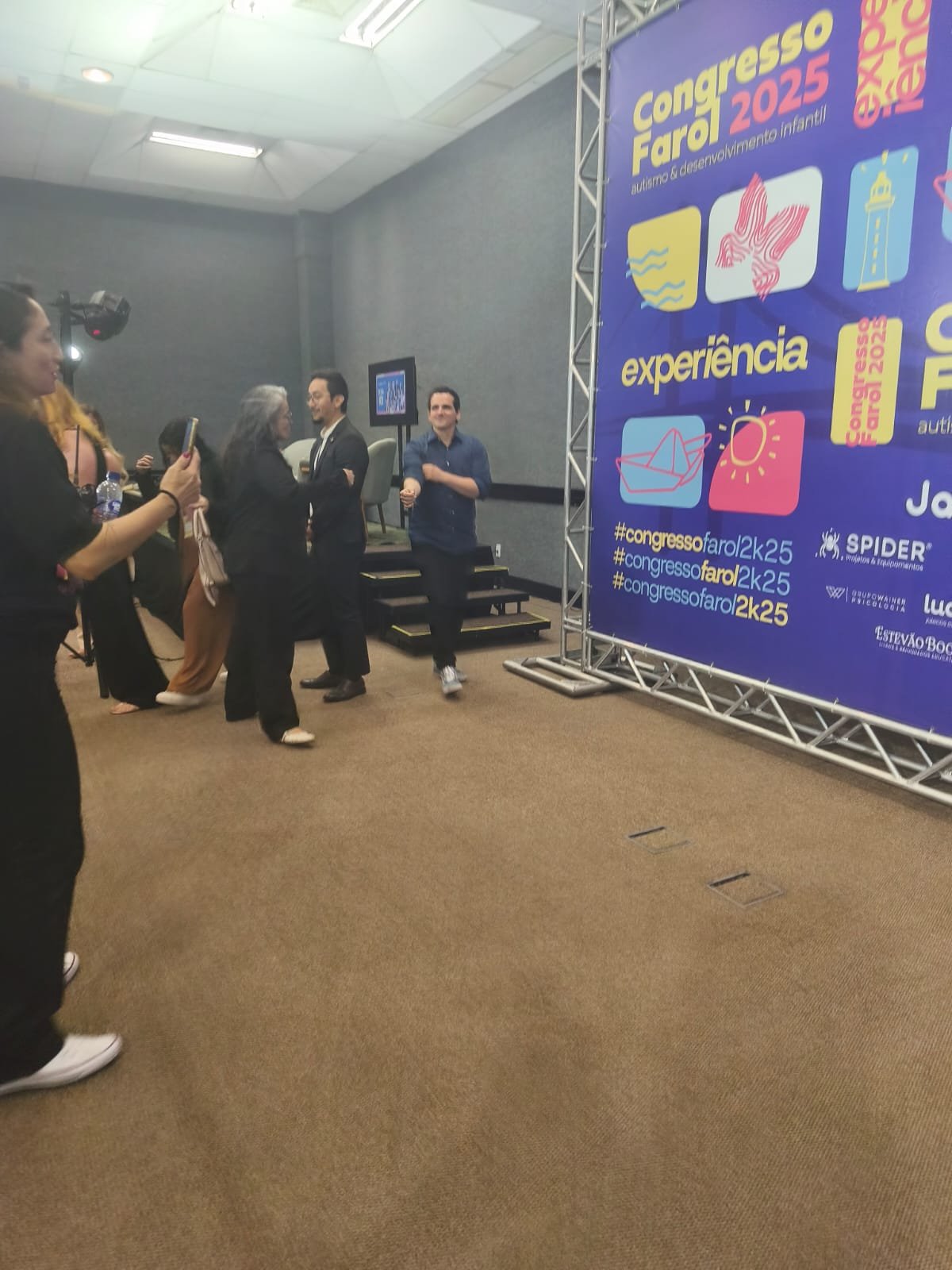
Photos with speakers: at the time of the photos, There wasn't always a staff member present. available to help with registration, so the public needed take turns and take pictures of each other. Furthermore, Not all speakers attended. to photo moments and The schedules were not widely publicized., which generated doubts and small gatherings. 📸
Content and lectures: high quality and welcoming atmosphere ✨
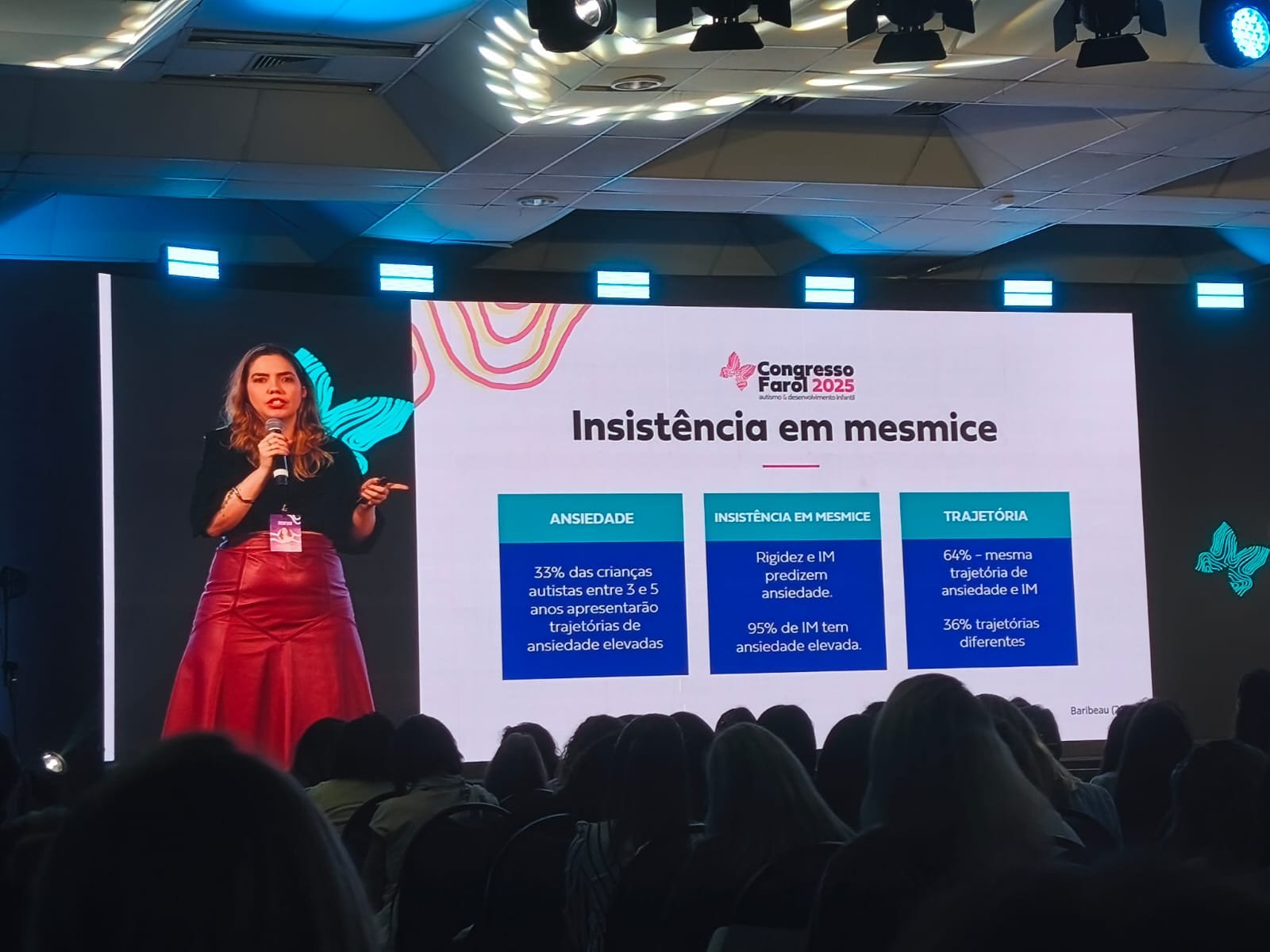
The schedule was rich and diversified, with high-level lectures. The speakers were cordial, attentive and accessible — including for photos after the stage and for exchange specific tips. 💬📸
Key point: several speakers have ASD or have family members on the spectrumThis personal background shaped the speeches. even more enriching and powerfulBringing together science, experience, and affection — an encounter that makes all the difference when we talk about autism and child development. 🧩💙
The curation managed to balance technical aspects with practical experience, bringing the content closer to practice. For those who work with TEA and for those who live the autism in everyday life (like me), there is great value in listening to different perspectives and building bridges between evidence and humanity.
Relaxation Room and Escape Room 🌿🧩
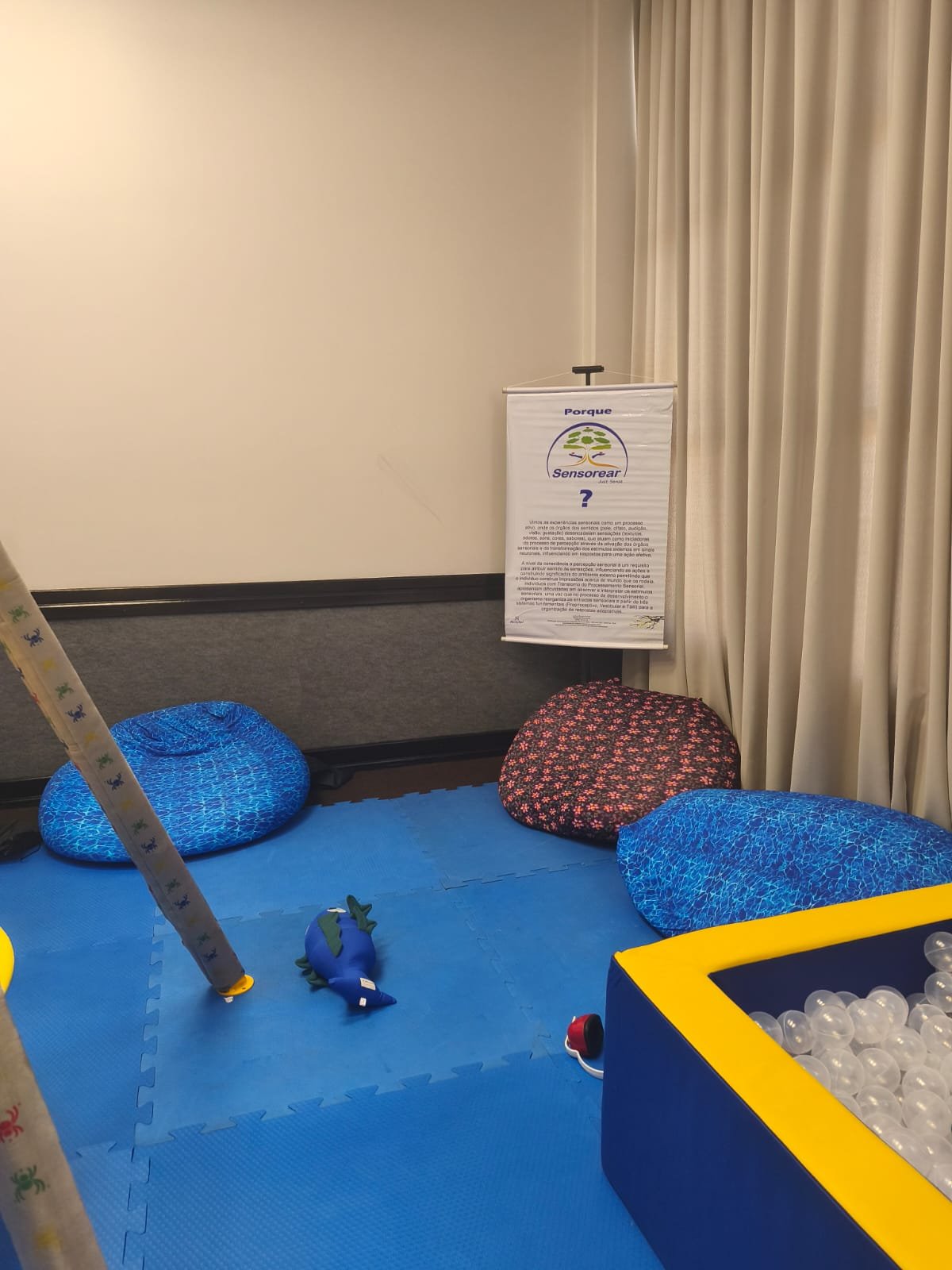
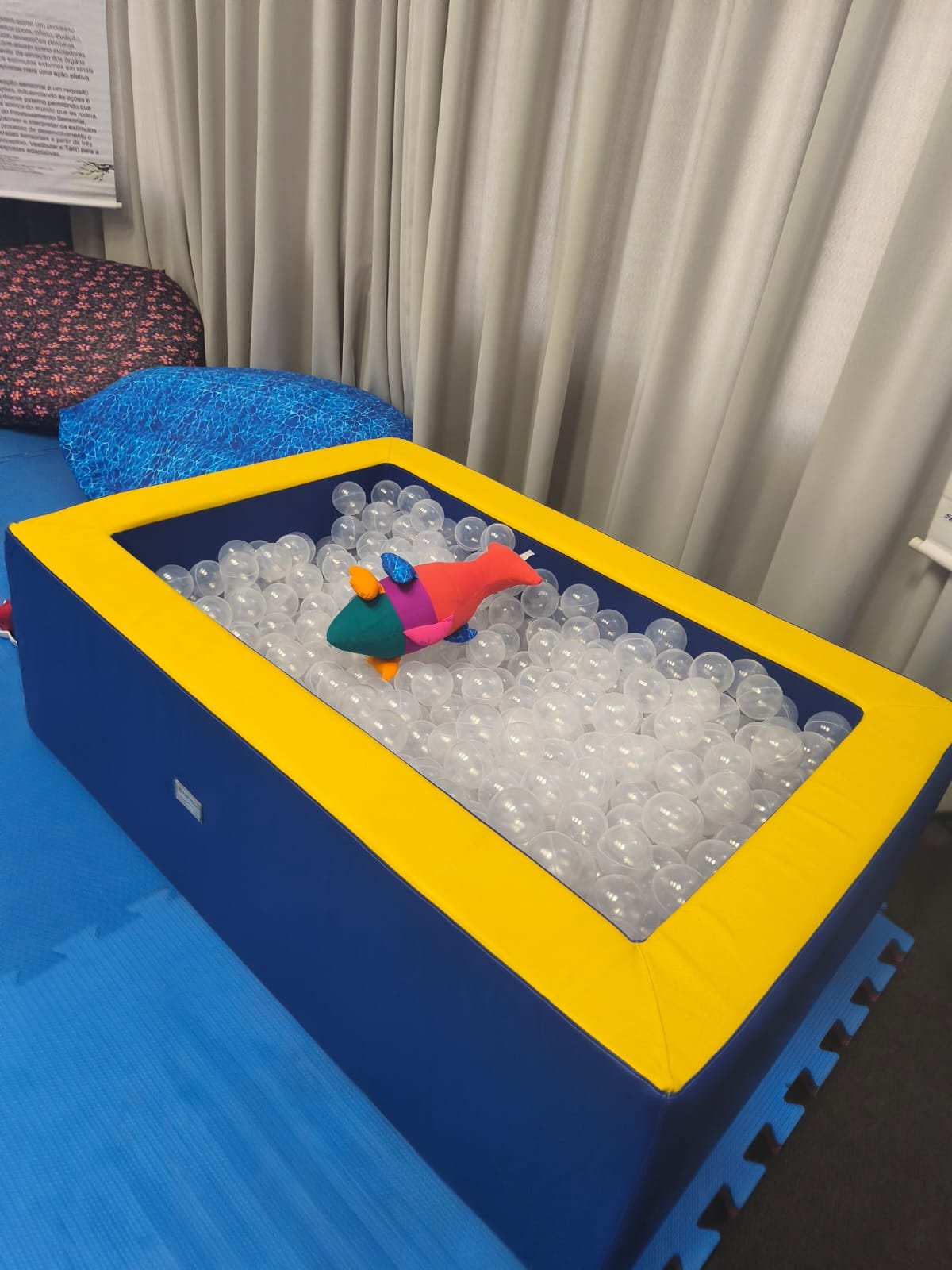
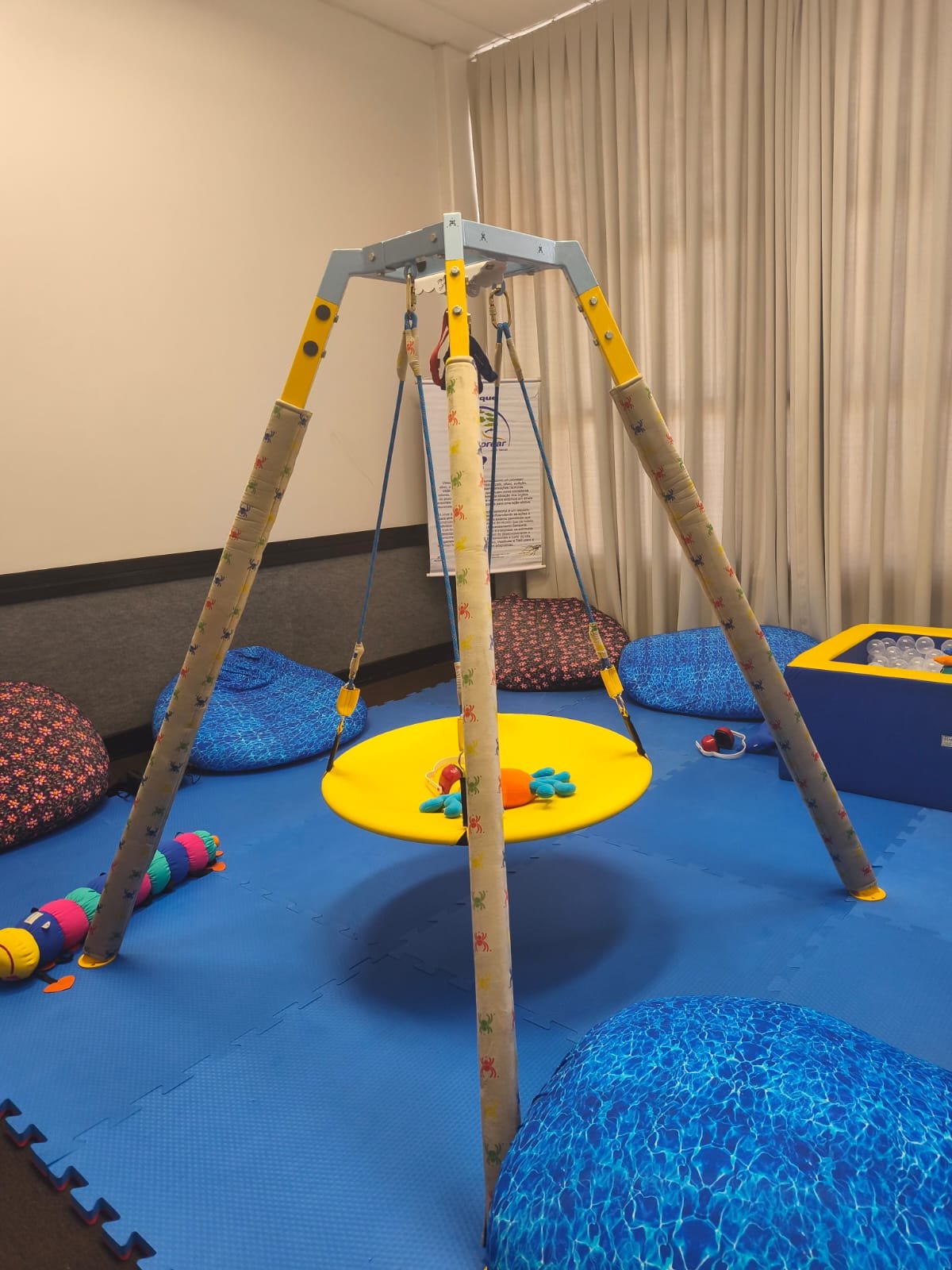
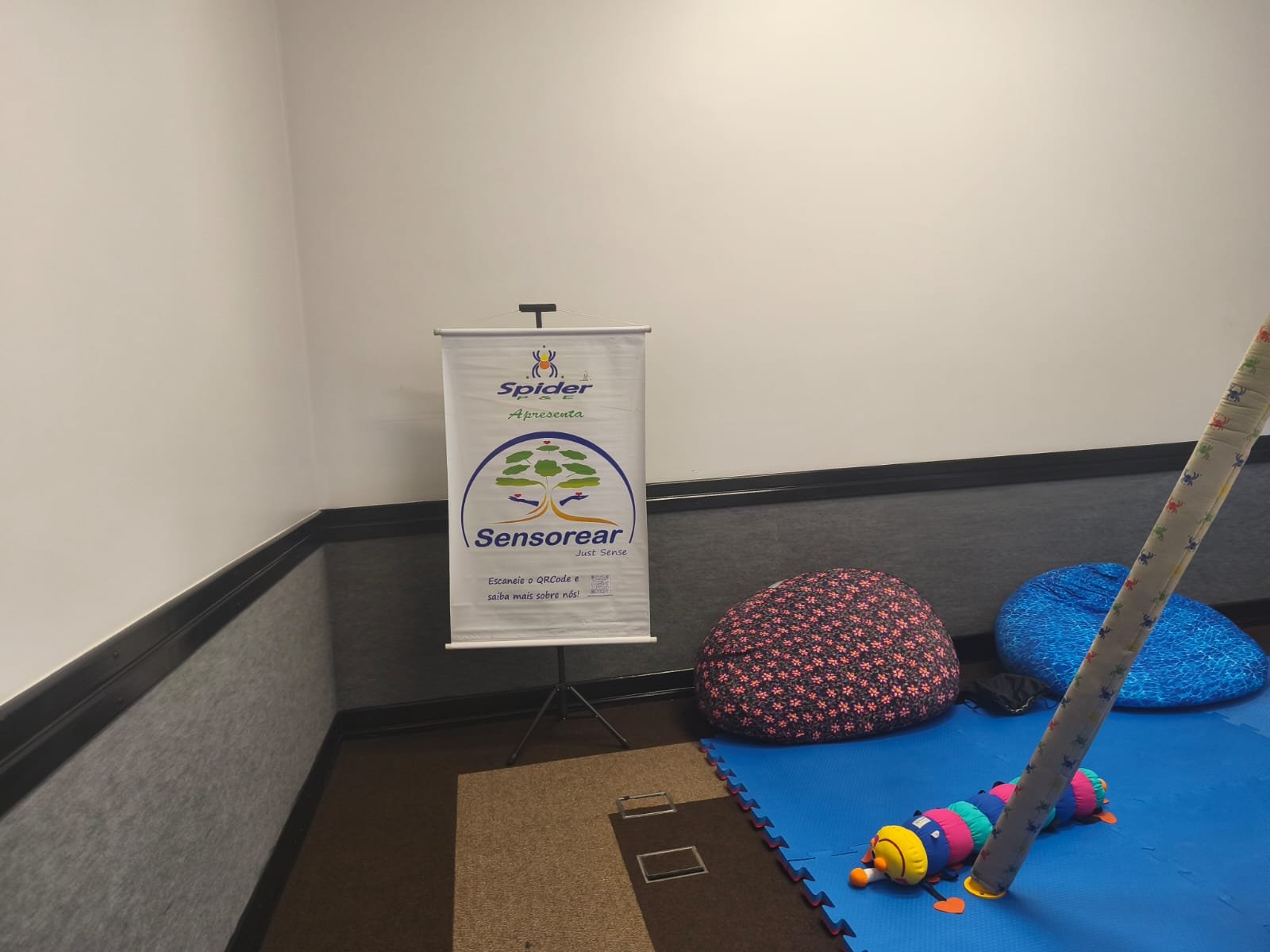
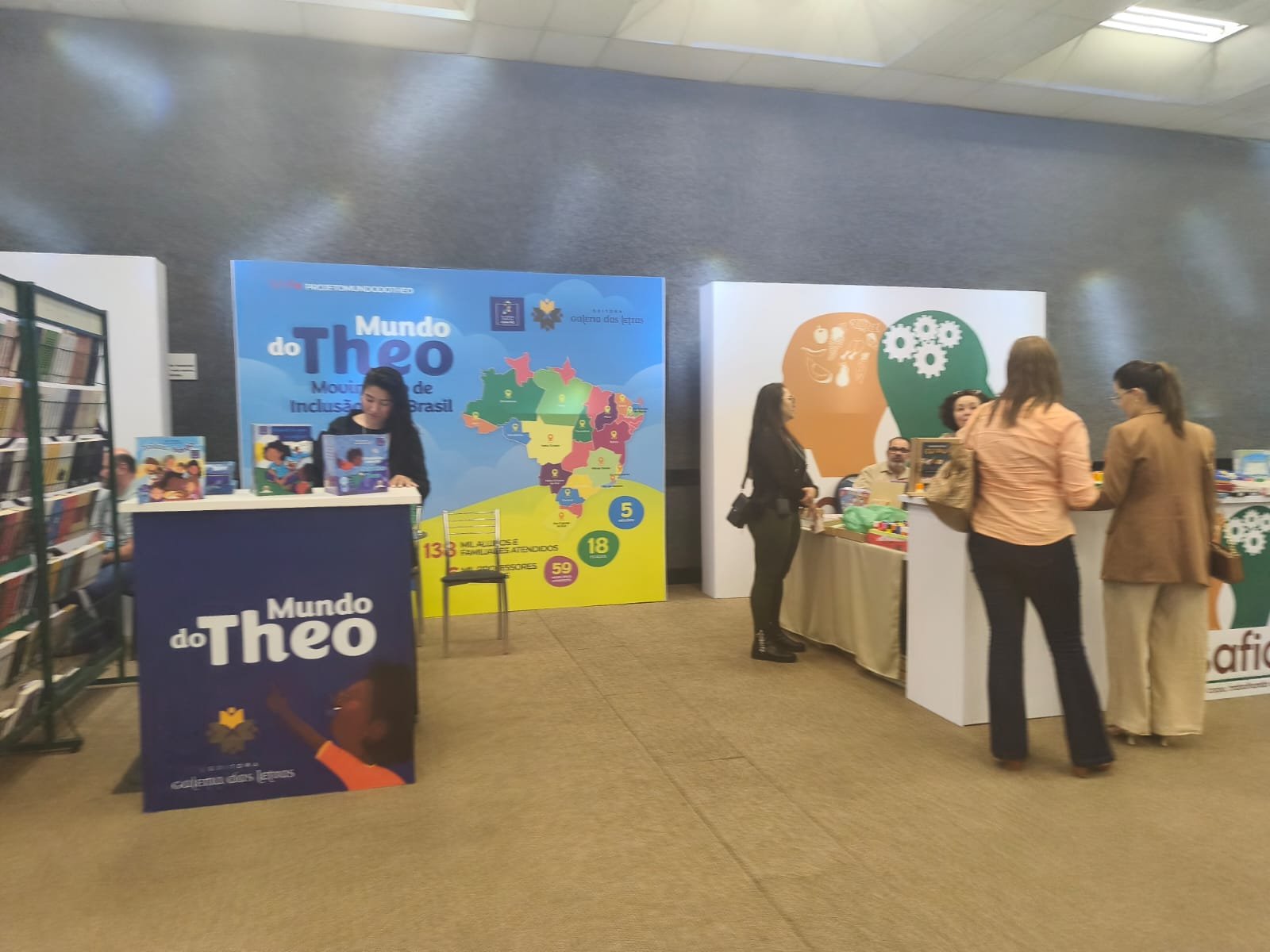
There was a decompression room organized by Spider, with sensory resources such as mufflersoption of lights off, balance, ball pit and other items (shown in the post's photos). For those who need a break from excessive stimulation, this It makes a real difference.. 🌱
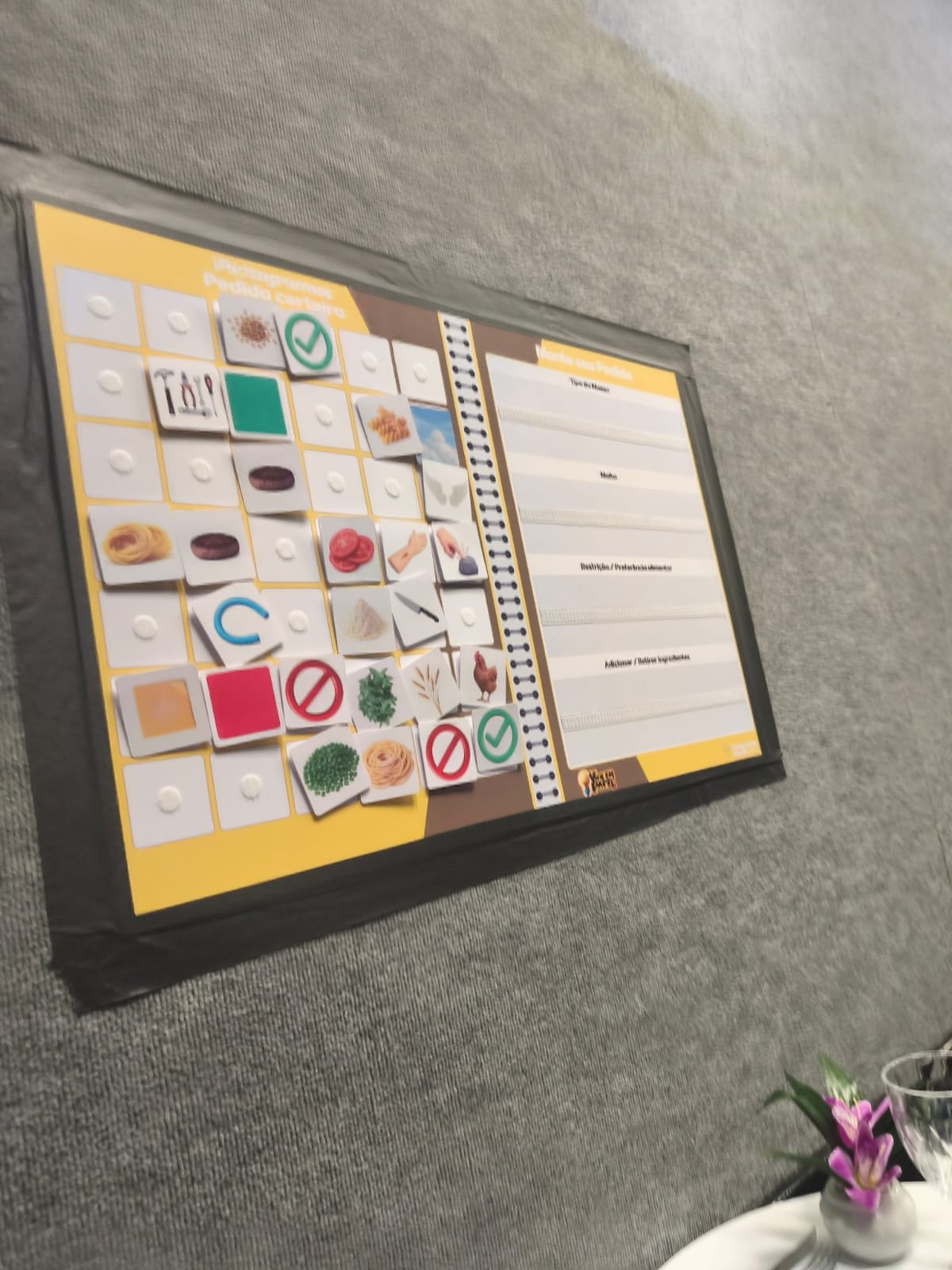
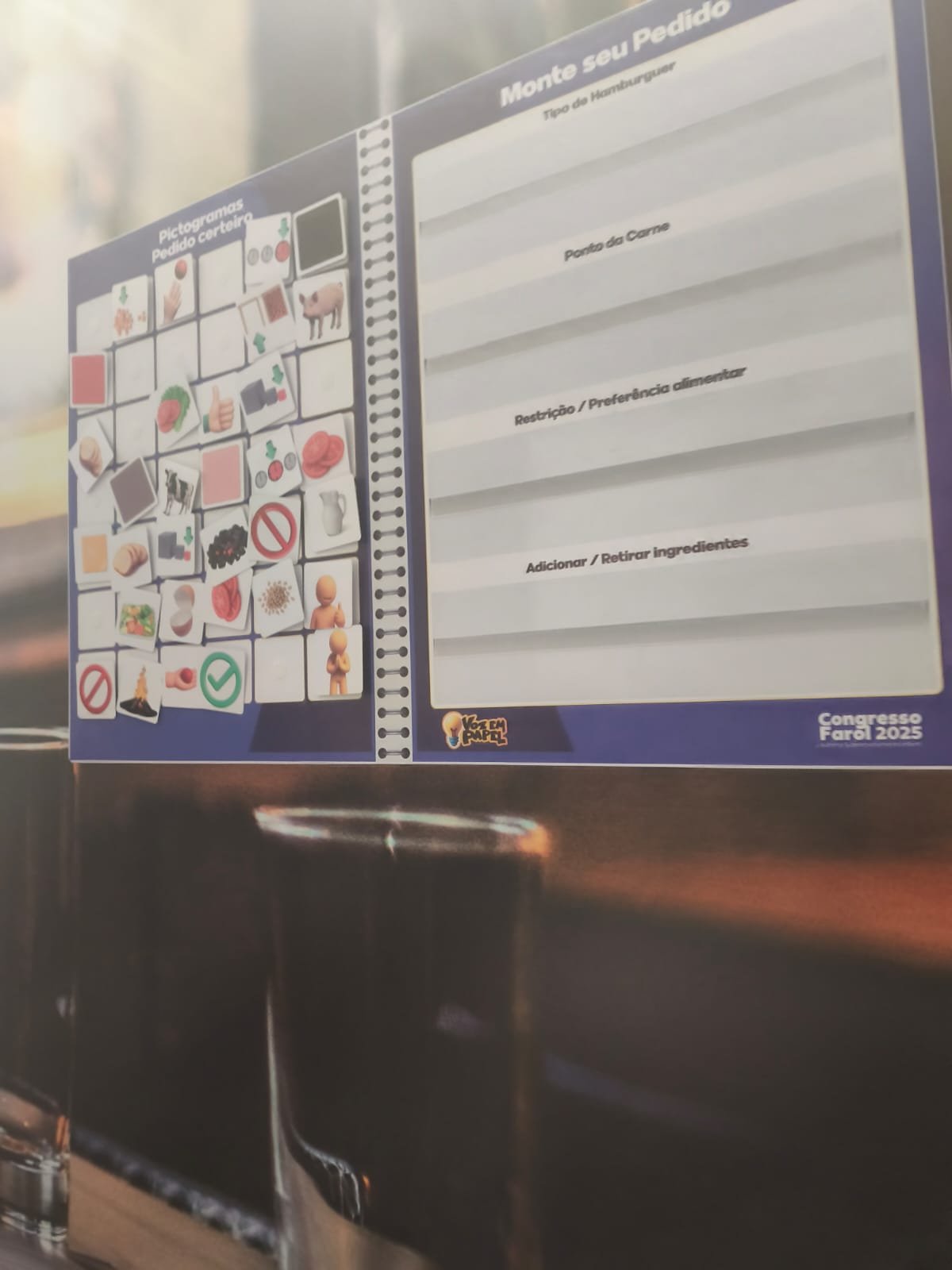
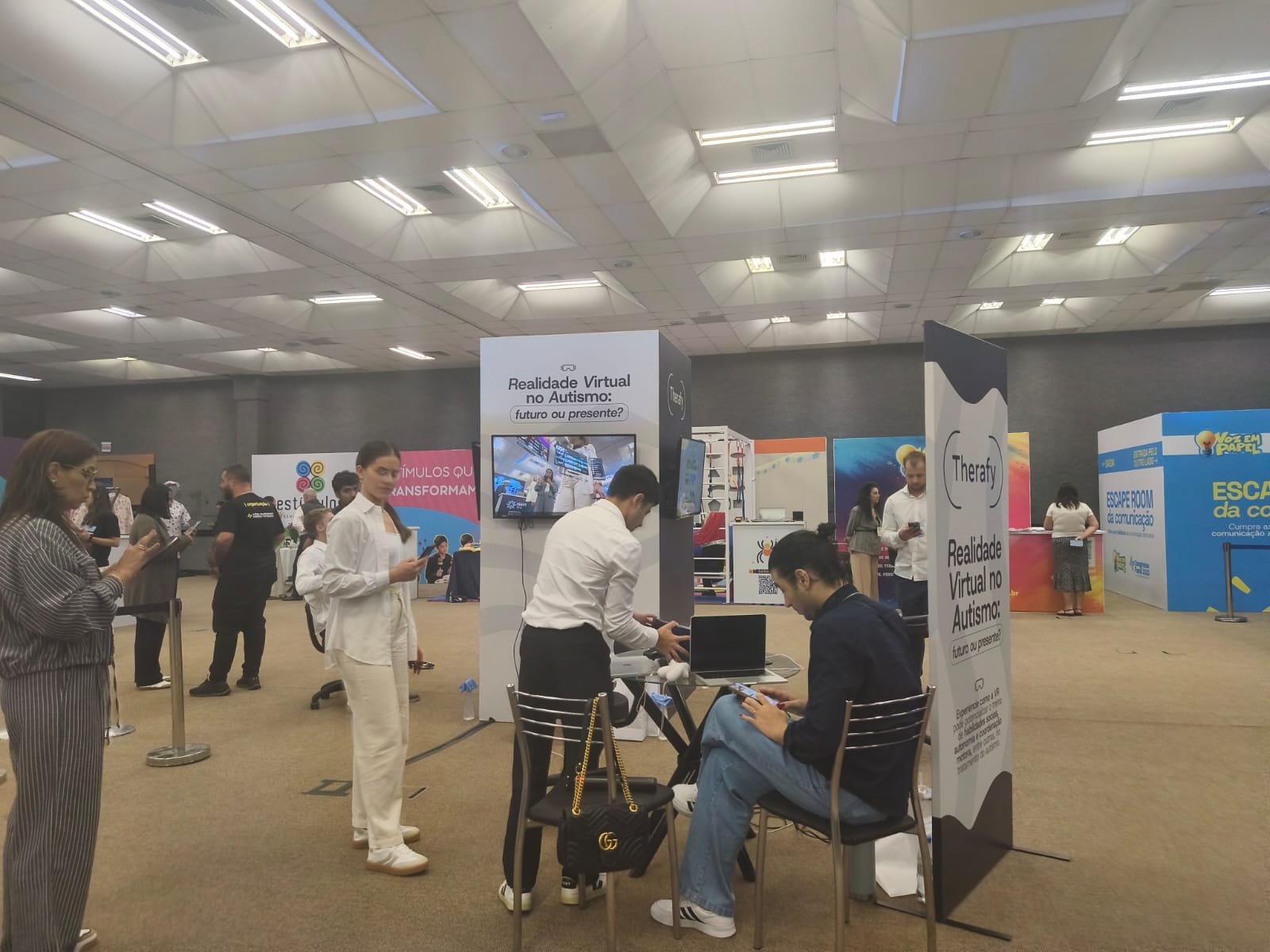
There was also one Escape Room with cryptograms — a playful and reflective experience about communication for people who don't speak. The proposal was creativeIt fostered empathy and generated important conversations. 👏
Food and breaks: queues, prices, and food selectivity 🍽️
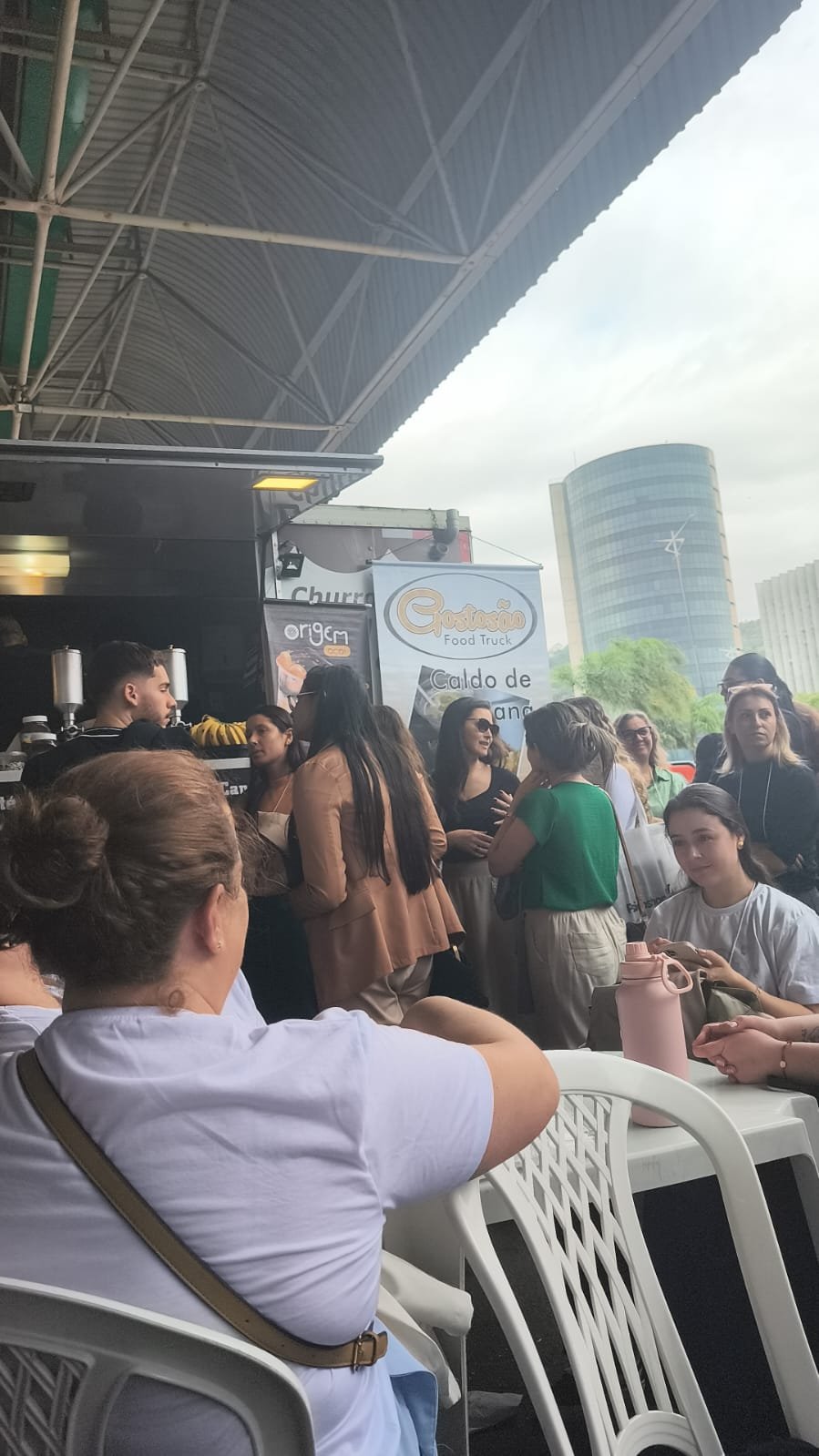
Lunchtime was the most critical point in the logistics. There was only a restaurant with a value of R$ 68 per person (without alcohol) — considered high by many — and a long lineFurthermore, there were only three small food trucks in the parking lot (without priority queueand few places to sitThe result: We used up the entire 1-hour break. Just waiting to order from a food truck. 😵💫
Late communication: information about What would the diet be like? They arrived by email. just 1 or 2 days beforeI myself had to ask beforehand, because They hadn't announced it yet. Officially. For those who organize their routines in advance (picky eating, children, medication schedules, etc.), this information needs to be received. with greater advance notice and to be centralized on the event's channels.
I couldn't find any information about selective eating (allergens, gluten-free/lactose-free options, children's options, etc.). In events with a neurodiverse audience and families, this needs to be carefully planned for and... clear communication on official channels. 🧾
Audience, general atmosphere, and my experience 🧑🤝🧑
I realized that the majority of the audience consisted of professionals who work with autistic people, but there were also autistic people — like me. I missed some specific considerations for us, especially in queues, seats and signalingStill, it was a good experienceI learned a lot about ASD and also about myself. We left there registered for 2026! 💫
Constructive suggestions for the next edition (2026) 🛠️
As a participant and professional in inclusive tourism, I offer practical and realistic suggestions that can enhance everyone's experience:
1) Access and parking
- Job openings reserved for people with disabilities. near the entrance and exemption registration where applicable.
- Accessible pavement (or walkways) from the parking lot to the entrance; avoid pebbles/sand.
- External signage indicating accessible routes and pick-up/drop-off points.
- Simple maps sent by email and displayed on kiosks upon arrival.
2) Accreditation and queues
- Priority lines Clearly marked (floor and sign) and dedicated staff.
- Alphabetical Totems Tall, legible, and standardized (avoid handwritten signs).
- staggered schedules or fast track for those who indicate a need (e.g., Sunflower Lanyard 🌻).
3) Internal signage and routes
- Large plates with text + pictograms, high contrast and consistent arrows.
- Visible indication of elevators and accessible routes from the entrance.
- QR Codes with accessible map, description of the rooms and schedules.
4) Rooms and seating
- Areas reserved for people with disabilities. with a variety of seats (with/without armrests, greater legroom).
- Sensory relief spaces in the living room (quiet micro-zones).
- Muffling helmets for loan, when possible.
5) Communication accessibility
- Sign Language Interpreter in the main sessions and real-time captioning (CART).
- Audio description of key content and slides made available in an accessible format.
- Pre-event materials explaining the dynamics of the day, flows, and break locations.
6) Decompression and sensory
- Maintain and enlarge the decompression room (more than one unit, when possible).
- Sensory kits borrowed items (noise-canceling headphones, sunglasses, tactile toys).
- Times of lower stimulation (lower lights, reduced sound) in common areas.
7) Meals and break times
- More food options (including adapted menus and varied prices).
- Prior notice Regarding allergens and options (gluten-free, lactose-free, children's, vegetarian/vegan).
- larger interval or staggered, to avoid long queues.
- Extra seating areas (communal tables, benches with backrests and armrests).
8) Need-to-Signal Indicators
- To make available (or support the use of) Sunflower Lanyard 🌻 and communication symbols when requested by the person.
- Trained team to recognize these signs and offer help without being intrusive.
9) Communication and pre-event
- Emails with visual script (map, photos of access points, how the registration process works, where the elevators are located).
- Accessibility FAQ Public and up-to-date.
- Fast channel For questions on the same day (WhatsApp/Telegram) with a quick response.
- Confirm punctuality and to give advance notice if there are any schedule adjustments.
- Clear disclosure of photo schedules. and confirmed attendance of the speakers.
10) Safety and emergency
- Accessible evacuation plans and clear communication through audio and visuals.
- Basic training for staff/volunteers in inclusive approach.
- Dedicated team for photos Schedule meet & greets during designated times, avoiding queues and improvisation.
Conclusion: lessons learned and an invitation for dialogue 💬
Overall, the Lighthouse Congress 2025 he was very enrichingThe program delivered quality content, the speakers were helpful, and there was a positive atmosphere of exchange. The fact that Many of the speakers have ASD or family members on the spectrum. gave a tone powerful and authentic to the discussions.
At the same time, There are real chances of improving accessibility. and the organization at key points — from parking to queues, from signage to food options (with communication sent well in advanceFrom punctuality at the start to support teams during photo opportunities, these improvements are evident in a public convention center. expected and possible.
As an autistic person and as a professional who works with inclusive tourismI celebrate what went well and leave here a list of actions. feasible and implementable for 2026. We are registered And hoping for an even more welcoming edition! 💙
Would you like to add anything? Leave your comment and Share your experience.If you participated in the event, what worked for you? What would make a difference in the next edition?
Keep exploring 💡
📣 Share your inclusion experience!
Have you had a positive accessibility experience at a park, hotel, restaurant, or other location? Your story could help other families plan more inclusive trips.
Send your report and it may appear here on the website, in our section Reviews or General Tips!
Don't miss any tips!
Sign up and receive our inclusive tourism experiences directly to your email.
Want to make tourism more inclusive?
We are open to partnerships with accessible spaces, inclusive inns and projects that value diversity.
Get in touch and let's talk!